





Introduction: The Universal Influence of Sports
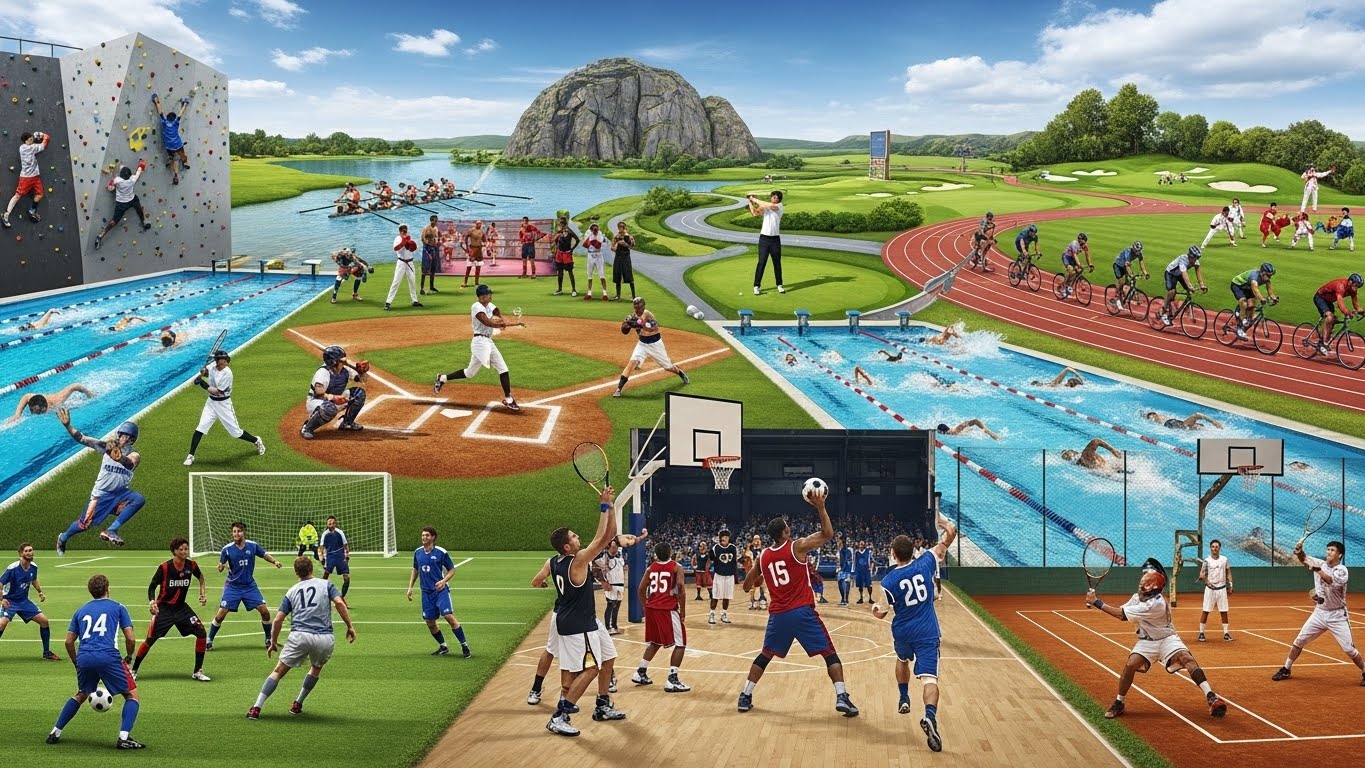
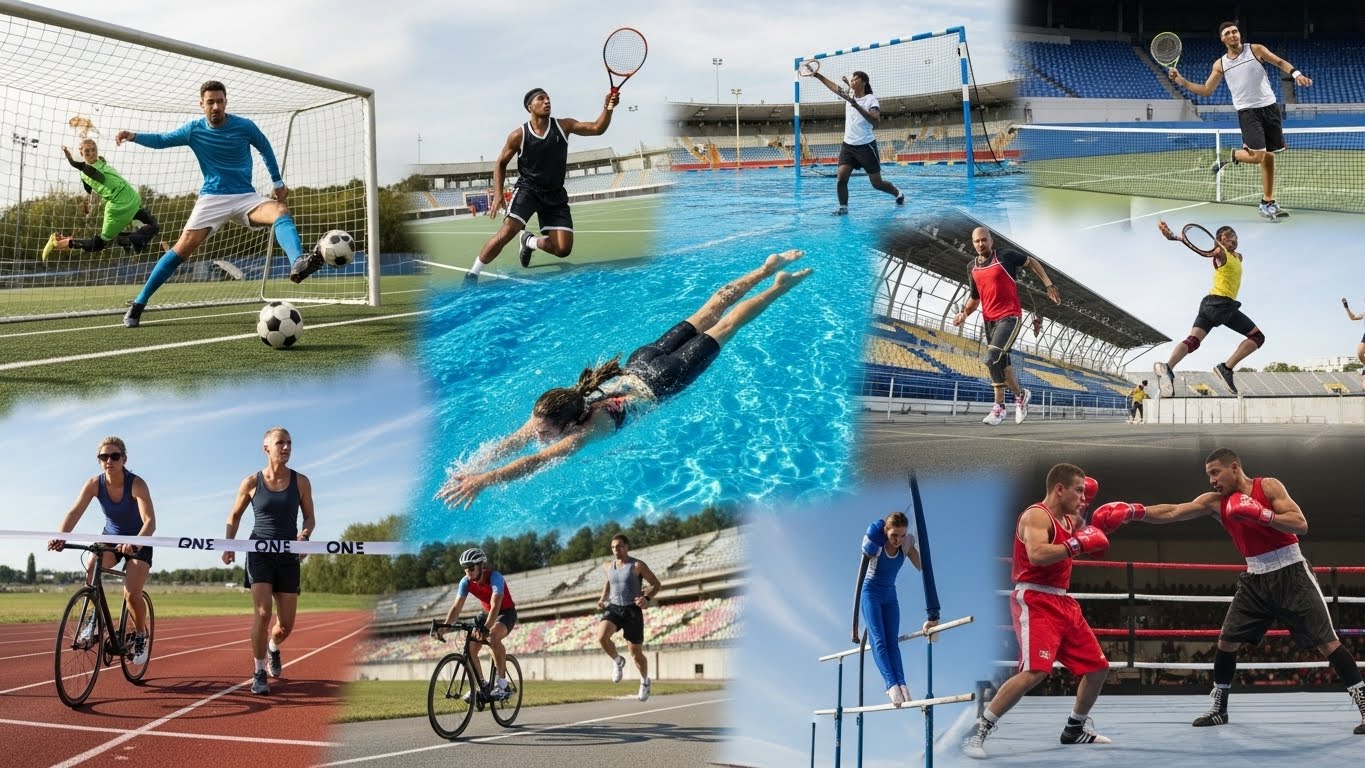
Sports have been an integral part of human culture for thousands of years. Beyond the thrill of competition and the pursuit of victory, sports provide a medium through which individuals learn discipline, resilience, and teamwork. From small neighborhood games to international competitions, sports offer opportunities for personal growth, social cohesion, and cultural expression. They transcend language, nationality, and social status, serving as a universal language that connects people from all walks of life. Sports are more than just games; they are a reflection of human ambition and the desire for achievement.
Historical Evolution of Sports
The history of sports is as old as civilization itself. Ancient societies in Egypt, Mesopotamia, and China practiced early forms of athletic competition for recreation, military training, and ceremonial purposes. The Olympic Games in ancient Greece set the stage for organized sports, emphasizing physical excellence and competitive spirit. With time, sports evolved into more structured activities, incorporating rules, leagues, and professional organizations. Today, the sports landscape includes traditional games like soccer, cricket, and athletics, alongside emerging disciplines such as mixed martial arts and esports, reflecting the dynamic and adaptive nature of human recreation.
Sports and Personal Development
Engaging in sports nurtures both physical and mental growth. Athletes develop resilience by overcoming challenges and setbacks, while regular practice builds discipline and commitment. Team sports teach collaboration, leadership, and communication, whereas individual sports emphasize focus, self-motivation, and personal accountability. The lessons learned through sports often extend beyond the field, influencing education, career choices, and personal relationships. Sports serve as a training ground for life, where individuals confront challenges, set goals, and learn to persevere through adversity.
Sports as a Social Connector
Sports foster social bonds and create a sense of community. Fans rally behind teams, celebrating victories and enduring losses together, forging shared identities and collective pride. In schools and neighborhoods, sports encourage camaraderie, teamwork, and mutual respect among participants. On a larger scale, international events like the FIFA World Cup, the Olympic Games, and the Cricket World Cup unite nations, promote cultural exchange, and inspire global unity. Sports provide a platform for human connection, bridging divides and promoting understanding in a world often marked by differences.
Economic Impact of Sports
Sports have a significant economic dimension. Professional leagues, tournaments, and mega-events generate substantial revenue through ticket sales, broadcasting rights, sponsorships, and merchandise. Local economies benefit from sports tourism, stadium development, and related services, creating jobs and fostering growth. The sports industry extends beyond professional competitions to include fitness centers, training academies, and recreational facilities, highlighting its broader impact on health, lifestyle, and economic development. Sports are not just entertainment—they are catalysts for financial and social progress.
Technology in Sports
Advancements in technology have transformed sports at every level. Wearable devices, motion sensors, and performance-tracking software allow athletes to monitor progress, optimize training, and prevent injuries. Video replay systems, goal-line technology, and Hawk-Eye applications enhance fairness and accuracy in competitions. Data analytics enable coaches to devise strategies, evaluate opponents, and maximize team performance. Additionally, digital platforms and live streaming services allow fans worldwide to experience sports in real time, creating interactive and immersive experiences. Technology ensures that sports remain engaging, transparent, and innovative.
Women in Sports: Breaking Barriers
The rise of women in sports represents significant social progress. Female athletes are gaining recognition for their skill, dedication, and achievements, inspiring future generations. Women’s sports leagues, international tournaments, and increased media coverage highlight their contributions to the sporting world. The inclusion and promotion of women in sports challenge stereotypes, promote equality, and encourage broader participation across all levels. Female athletes serve as role models, demonstrating that talent, determination, and leadership know no gender.
Sports and Mental Health
Participation in sports positively impacts mental health. Physical activity reduces stress, improves mood, and enhances cognitive function. Team interactions provide a sense of belonging and support, while achieving milestones fosters confidence and self-esteem. Professional athletes are increasingly addressing mental health challenges, recognizing the pressures of performance and public scrutiny. Sports create a healthy balance of physical exertion and emotional well-being, highlighting the interconnection between mind, body, and social engagement.
Youth Sports: Building Foundations for the Future
Youth sports are critical for developing life skills, physical fitness, and social awareness. Engaging children and teenagers in sports encourages discipline, teamwork, and leadership from an early age. Youth programs provide mentorship, guidance, and structured environments where young participants learn perseverance, fair play, and responsibility. Beyond physical development, sports instill values that influence education, career paths, and interpersonal relationships. Encouraging youth participation ensures the cultivation of healthy, confident, and socially responsible individuals.
Globalization of Sports
Sports have transcended local boundaries, becoming global phenomena. Soccer, basketball, tennis, and cricket enjoy massive international followings, fostering global communities united by passion and enthusiasm. International tournaments allow athletes to showcase talent, while fans from different cultures connect over shared interests. The globalization of sports encourages cultural exchange, understanding, and appreciation for diverse playing styles and strategies. It demonstrates how sports can unite the world, despite language, geography, or political differences.
Media and Sports
The media plays a pivotal role in shaping sports culture. Television, radio, and digital platforms broadcast events to global audiences, providing commentary, analysis, and storytelling that enhance engagement. Social media enables athletes to connect directly with fans, share insights, and inspire communities. Sports journalism adds depth and context, making games more than just competitions—it transforms them into narratives of triumph, struggle, and human achievement. Media integration ensures that sports remain relevant, accessible, and emotionally compelling for audiences worldwide.
Sports as a Platform for Social Change
Athletes and sports organizations have increasingly become advocates for social issues. From promoting equality and inclusion to addressing environmental concerns, sports provide platforms for raising awareness and inspiring change. Iconic athletes have used their visibility to challenge injustices, encourage dialogue, and mobilize communities. This intersection of sports and activism highlights the power of athletic platforms to influence society positively, proving that sports can be a force for cultural and social transformation beyond the playing field.
Innovation and the Future of Sports
The future of sports is intertwined with technological innovation, sustainability, and evolving societal values. Virtual reality and augmented reality will redefine fan engagement, offering immersive experiences that bring the stadium to living rooms. Artificial intelligence and data analytics will enhance performance evaluation, injury prevention, and strategic planning. Sustainable practices, including eco-friendly stadiums and responsible event management, are becoming central to sports planning. The next generation of sports will balance entertainment, innovation, and social responsibility, creating experiences that are engaging, inclusive, and environmentally conscious.
Conclusion: More Than a Game
Sports are more than contests of physical ability; they are mirrors of human ambition, culture, and resilience. They teach life lessons, foster social bonds, drive economic growth, and inspire communities. Sports connect people across borders, promote equality, and offer platforms for social change. As technology, media, and global participation continue to influence sports, their role in shaping society will grow even more profound. Beyond the scores and trophies, sports reflect the human spirit—the pursuit of excellence, the drive to overcome challenges, and the capacity to unite people in celebration of shared passion.