




Introduction: The Universal Power of Sports
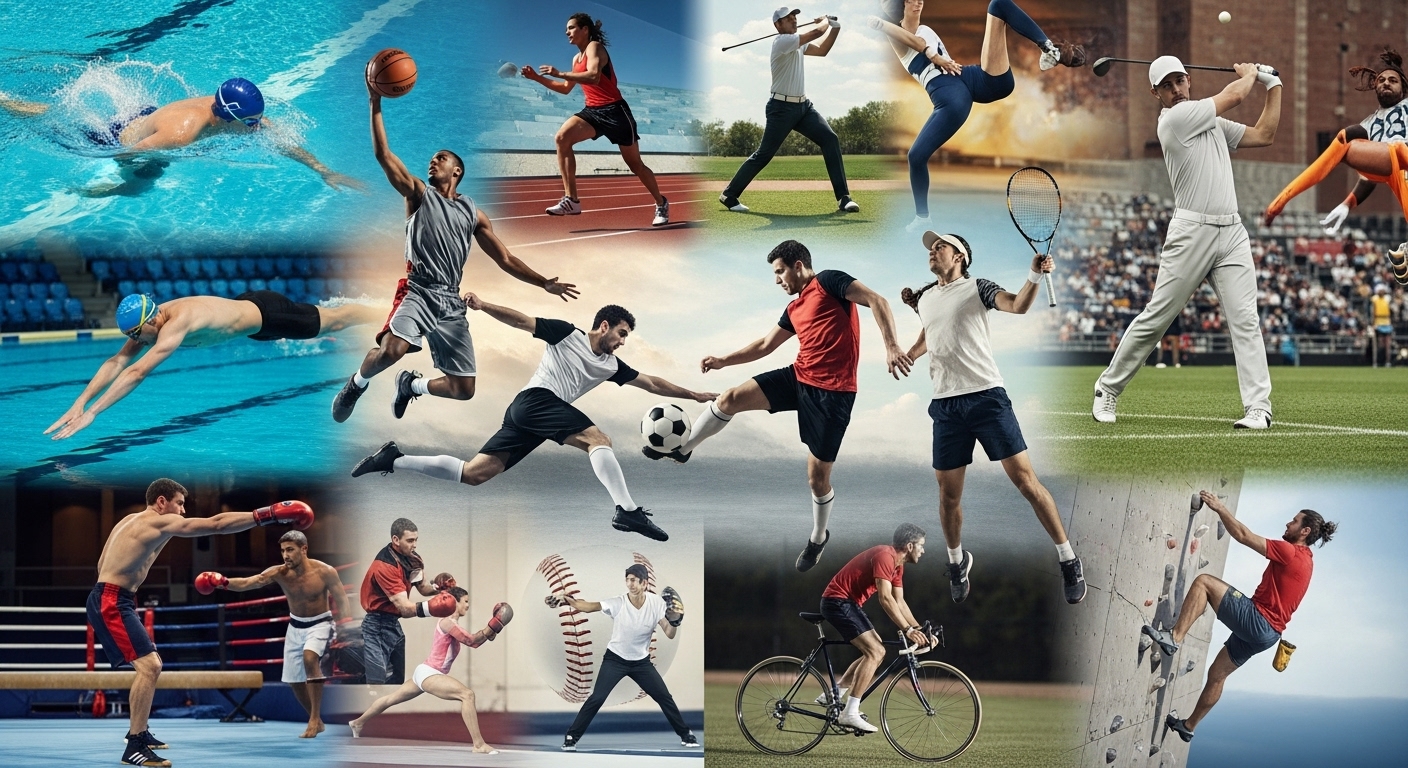
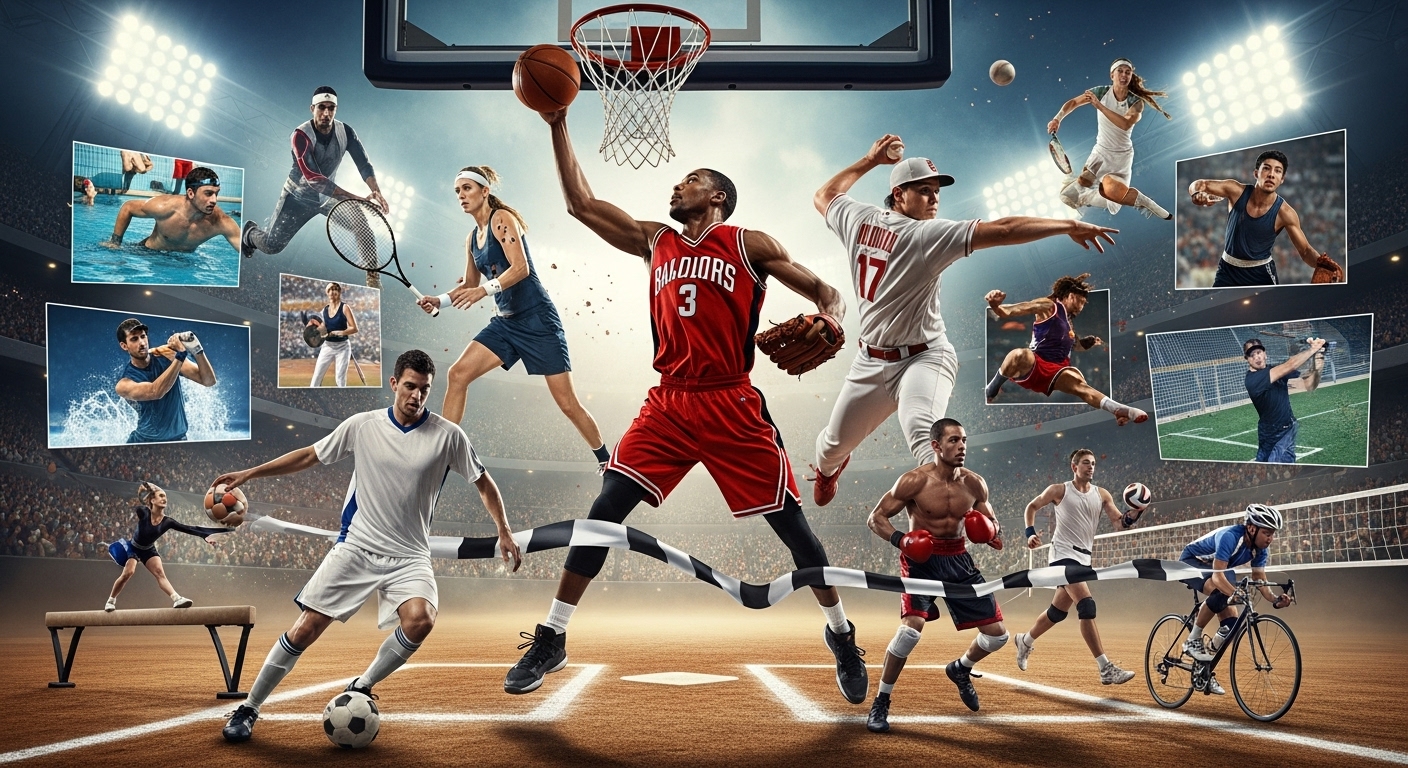
Sports are more than games or physical activities; they are a universal language that unites people across cultures, ages, and backgrounds. They inspire passion, discipline, and perseverance while offering a platform for entertainment, education, and social interaction. From local playgrounds to global arenas, sports influence personal growth, community cohesion, and even economic development. In a world where competition and collaboration coexist, sports provide lessons that extend far beyond the field. They shape values, build character, and inspire individuals to push their limits.
A Brief History of Sports
The origins of sports date back thousands of years. Ancient civilizations, including the Greeks, Egyptians, and Romans, valued physical competitions that often symbolized strength, skill, and honor. The ancient Olympic Games, first held in 776 BCE, celebrated athletic excellence and unity among Greek city-states. Similarly, traditional sports in Asia, Africa, and the Americas played cultural and social roles, fostering community identity and physical fitness.
The modern era of sports began in the 19th century, with the formalization of rules, leagues, and tournaments. Football, cricket, basketball, and other sports became organized, allowing for fair competition and broader participation. Today, sports have become a global phenomenon, connecting billions of fans, athletes, and enthusiasts.
Physical Benefits of Sports
Participating in sports offers numerous physical advantages. Regular activity strengthens the heart, muscles, and bones while improving flexibility, coordination, and endurance. Activities like running, swimming, cycling, and team sports enhance overall fitness and reduce the risk of chronic conditions such as obesity, diabetes, and heart disease.
Sports also promote motor skill development in children, helping them build coordination, balance, and agility. For adults, physical activity through sports supports healthy aging, improves metabolism, and enhances mental alertness. A consistent sports routine not only improves physical strength but also cultivates discipline, stamina, and body awareness.
Mental and Emotional Benefits
Sports contribute significantly to mental and emotional well-being. Physical activity triggers the release of endorphins, reducing stress and promoting positive emotions. Regular participation can alleviate symptoms of anxiety, depression, and fatigue, providing a natural boost to mental health.
Beyond biochemical benefits, sports teach resilience, focus, and problem-solving skills. Athletes learn to handle victories and defeats, developing patience and perseverance. Emotional intelligence is cultivated through teamwork, communication, and collaboration, as athletes navigate complex social dynamics on and off the field. Participation in sports instills confidence, motivation, and a sense of accomplishment, all of which are vital for personal growth.
Sports in Education
Educational institutions have long recognized the importance of sports. Schools and universities integrate athletics into curricula to promote holistic development. Students engaged in sports develop time management skills, discipline, and leadership qualities. Team sports, in particular, teach collaboration and accountability, skills essential for both academic and professional success.
Sports also provide pathways for talent recognition and career development. Inter-school and inter-college competitions allow young athletes to showcase their abilities, often opening doors for scholarships, advanced training, and professional opportunities. By fostering a culture of physical fitness and teamwork, sports in education create well-rounded individuals prepared for the challenges of life.
Professional Sports and Career Opportunities
For many, sports are not just recreation—they are a career. Elite athletes dedicate years to rigorous training, striving for excellence at national and international levels. Professional leagues, tournaments, and global events provide opportunities for financial success, fame, and personal achievement.
Beyond athletes, the sports industry creates diverse careers in coaching, sports medicine, journalism, broadcasting, event management, and marketing. Sponsorship deals, merchandise, and ticket sales further contribute to the economic impact of sports. The professionalization of sports inspires millions to pursue their passions while demonstrating the value of dedication, discipline, and teamwork.
Sports as a Social Connector
One of the most remarkable aspects of sports is their ability to unite communities. Local leagues, recreational clubs, and neighborhood games foster social cohesion, providing opportunities for people to connect, collaborate, and celebrate together.
On a global scale, international sporting events like the Olympics, FIFA World Cup, and World Championships bring together athletes and fans from diverse backgrounds. These events promote cultural exchange, mutual respect, and shared experiences, emphasizing the universal nature of sports. Sports also empower marginalized communities by creating opportunities for social mobility, inclusion, and representation.
Cultural Significance of Sports
Sports are deeply embedded in culture and identity. They reflect societal values, traditions, and history. National pride is often tied to athletic achievements, with victories celebrated as symbols of collective strength and accomplishment. Traditional games, festivals, and community sports preserve cultural heritage while fostering intergenerational connections.
Sports influence music, art, fashion, and media, serving as inspiration for creative expression. They provide a platform for storytelling and national representation, allowing societies to share their unique cultural narratives with the world. The cultural impact of sports extends far beyond entertainment, shaping identities and strengthening communities.
Popular Sports Around the World
Different sports dominate in various regions, reflecting cultural preferences and historical traditions.
Football (Soccer): Football is the most popular sport globally, celebrated for its accessibility and simplicity. Events like the FIFA World Cup captivate billions of fans, showcasing skill, strategy, and national pride.
Basketball: Known for its fast-paced action and athleticism, basketball has a massive following across the Americas, Europe, and Asia. Professional leagues inspire young athletes to pursue their dreams.
Cricket: Cricket holds cultural significance in countries like India, Australia, and England. Its formats, including T20 and Test cricket, offer diverse experiences for players and fans.
Athletics: Track and field events test speed, strength, and endurance, inspiring global audiences during the Olympic Games.
Individual Sports: Tennis, swimming, gymnastics, and martial arts emphasize discipline, focus, and personal achievement. Each sport provides unique lessons in perseverance, skill development, and goal setting.
Technology and Innovation in Sports
Technology has revolutionized sports, enhancing both performance and fan engagement. Wearable devices, performance analytics, and biomechanical assessments help athletes optimize training, monitor health, and prevent injuries. Video-assisted refereeing and advanced analytics improve fairness and strategy in professional competitions.
Fans also benefit from technological advancements. High-definition broadcasts, live streaming, and interactive platforms allow global audiences to engage with sports in unprecedented ways. Virtual reality and immersive experiences bring fans closer to the action, while social media enables direct interaction with athletes, teams, and fellow enthusiasts.
Sports and Mental Health
Sports play a vital role in promoting mental well-being. Regular participation reduces stress, enhances mood, and improves focus and cognitive function. Team sports foster social connections, helping individuals build a sense of belonging and identity.
Athletes learn to manage pressure, set goals, and maintain motivation, skills that extend beyond the field. The challenges faced in sports, from competitive stress to injuries, teach coping mechanisms that strengthen emotional resilience. Sports are not merely recreational; they are therapeutic, contributing to balanced mental and emotional health.
Challenges in Modern Sports
Despite their many benefits, sports face challenges. Issues like doping, corruption, and unethical practices threaten the integrity of competitions. Unequal access to facilities, training, and resources prevents talented athletes from reaching their potential, especially in underprivileged areas.
Commercialization can sometimes overshadow the essence of sports, prioritizing profits over ethics, well-being, and fair play. Ensuring safety, inclusivity, and transparency is essential to preserve the true spirit of sports for generations to come.
The Future of Sports
The future of sports is shaped by innovation, inclusivity, and globalization. Virtual reality and augmented reality are changing how fans watch games, while esports are attracting younger audiences and redefining competition. Efforts toward gender equality, accessibility, and sustainable practices are transforming the sports landscape, making it more inclusive and environmentally conscious.
Adaptive sports and new formats are expanding participation opportunities, ensuring that sports remain accessible to individuals of all abilities. Technology, ethics, and sustainability will continue to guide the evolution of sports, making it a powerful tool for personal growth, social cohesion, and cultural expression.
Conclusion: Sports as a Catalyst for Growth
Sports are far more than games—they are a catalyst for physical, mental, social, and cultural growth. They inspire excellence, foster resilience, and unite people across boundaries. From playgrounds to professional arenas, sports impact lives, communities, and societies, shaping values, identities, and experiences.
As technology evolves and participation increases, sports will continue to inspire generations, providing lessons in teamwork, discipline, and perseverance. They are a reflection of human ambition and creativity, demonstrating that the spirit of competition and the joy of play are essential to a vibrant, healthy, and connected world.
Sports are not just a pastime—they are a lifelong influence that cultivates strength, character, and unity, proving that the game extends far beyond the field.