




Introduction: Sports as a Universal Experience
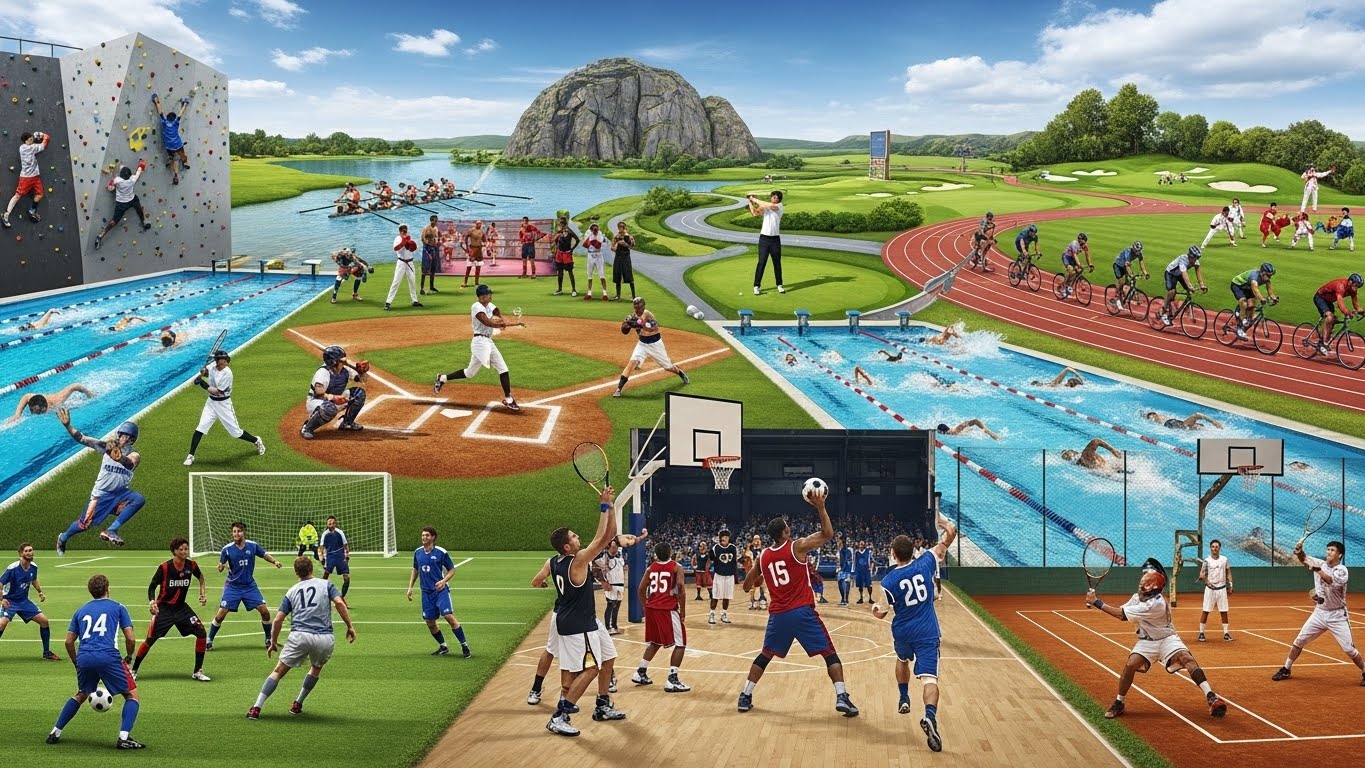
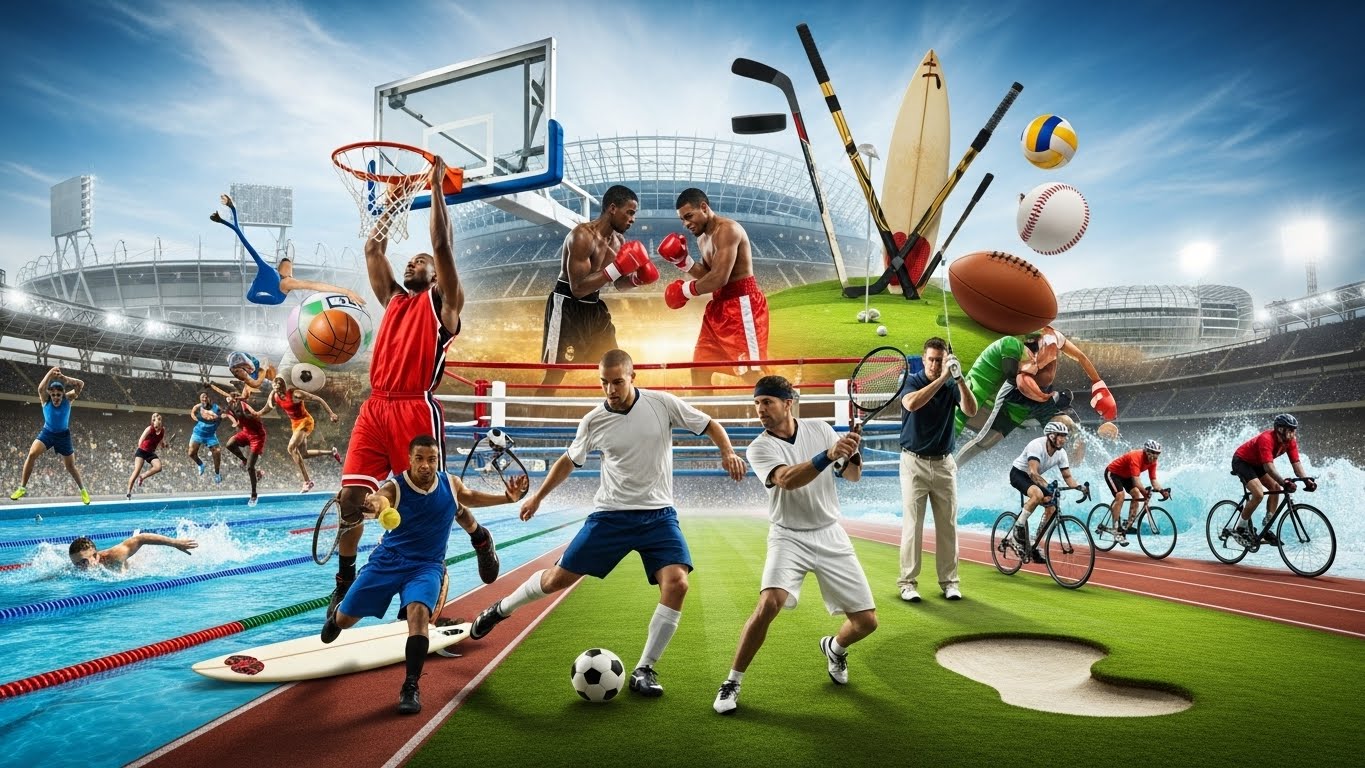
Sports are one of the most universal aspects of human culture. Across continents and generations, people engage with sports as participants, spectators, and enthusiasts. They inspire passion, cultivate discipline, and bring communities together. Beyond competition and entertainment, sports teach life lessons in resilience, teamwork, and leadership. Whether on local playgrounds, professional arenas, or digital platforms, sports play a crucial role in shaping physical health, mental well-being, and societal cohesion. This blog explores the history, impact, and evolving role of sports in modern life.
The History and Evolution of Sports
Sports have been an integral part of human civilization for thousands of years. Ancient civilizations organized physical competitions to demonstrate strength, agility, and strategy. The Olympic Games in ancient Greece celebrated athletic excellence and cultural pride, featuring events such as running, wrestling, and javelin throwing.
During the Middle Ages, sports took the form of jousts, archery contests, and informal games played by communities. The Industrial Revolution and urbanization transformed sports into organized competitions with standardized rules, leagues, and stadiums. Today, sports encompass traditional games like football, cricket, and basketball, as well as modern innovations such as esports, adventure sports, and adaptive sports for differently-abled athletes.
Physical Benefits of Sports
Participation in sports has significant physical benefits. Regular physical activity improves cardiovascular health, strengthens muscles and bones, enhances flexibility, and boosts endurance. Sports also help prevent obesity and lifestyle-related diseases, including diabetes and hypertension.
Beyond structured workouts, sports encourage an active lifestyle that promotes long-term health. Activities like swimming, running, cycling, and team sports improve coordination, balance, and overall physical fitness. By integrating exercise into recreation, sports make maintaining a healthy lifestyle enjoyable and sustainable.
Mental and Emotional Benefits of Sports
Sports are not just about physical activity—they also enhance mental and emotional well-being. Playing sports helps reduce stress, anxiety, and depression by releasing endorphins, chemicals in the brain that create feelings of happiness and relaxation.
Sports teach discipline, focus, and goal-setting. Athletes learn to persevere through challenges, handle victories with humility, and manage losses gracefully. Team sports, in particular, foster communication, leadership, and collaboration, providing essential social and emotional skills. Sports also enhance cognitive abilities by improving concentration, memory, and strategic thinking.
Sports as a Social Connector
Sports serve as a powerful social connector. They bring people together, creating shared experiences and fostering community. Local sports leagues, school tournaments, and recreational clubs provide platforms for individuals to meet, collaborate, and form friendships.
Spectator sports also unite communities and nations. Events such as the FIFA World Cup, the Olympic Games, and regional championships inspire national pride and collective enthusiasm. Sports encourage dialogue, cultural exchange, and camaraderie, strengthening the bonds between people across different backgrounds.
Professional Sports and Global Entertainment
Professional sports have evolved into a major form of global entertainment. Athletes dedicate years of training to compete at the highest level, captivating audiences with their skill, strategy, and determination. Professional leagues, tournaments, and championships attract millions of fans and generate significant economic activity.
The sports entertainment industry encompasses broadcasting, merchandising, sponsorships, and event management. Iconic athletes become role models, inspiring millions through their dedication and achievements. Professional sports also drive tourism, media coverage, and cultural influence, making them a critical part of global entertainment.
Sports and Education
Sports play an essential role in education, helping students develop holistically. Schools and universities offer athletic programs that complement academic learning, teaching discipline, time management, and teamwork. Student-athletes learn to balance their studies with training, cultivating responsibility and resilience.
Participation in sports also provides opportunities for scholarships and professional development. Many educational institutions leverage sports to promote leadership, social engagement, and community involvement. By integrating athletics into education, students gain valuable life skills while pursuing personal growth.
The Role of Technology in Sports
Technology has transformed sports in multiple ways. Advanced equipment, wearable devices, and performance analytics allow athletes to monitor progress, enhance training, and reduce injuries. Data-driven strategies optimize performance and improve coaching effectiveness.
Broadcasting technology, high-definition cameras, and live streaming have revolutionized how fans experience sports. Virtual reality and augmented reality offer immersive viewing experiences, enabling fans to engage with games in entirely new ways. From athlete development to fan engagement, technology continues to redefine the sports industry.
Sports and Gender Equality
Historically, sports were male-dominated, but recent decades have witnessed significant progress in gender equality. Female athletes are gaining recognition, media coverage, and investment in professional leagues. Women’s participation in sports inspires younger generations and challenges societal stereotypes.
Efforts to promote equal opportunities include increased funding, coaching programs, and accessible facilities. Gender equality in sports not only empowers women but also enriches the sports ecosystem by fostering diverse talent, perspectives, and competition.
Youth and Community Development through Sports
Sports programs targeting youth and communities have far-reaching benefits. They provide safe, structured environments where children and teenagers can develop physically, socially, and emotionally. Sports teach discipline, perseverance, and teamwork while reducing exposure to negative influences.
Community-based sports initiatives also promote social cohesion, volunteerism, and civic engagement. By encouraging active lifestyles and positive social interaction, sports contribute to healthier and more resilient communities.
Economic Impact of Sports
Sports have a profound economic impact. Professional leagues, tournaments, merchandise sales, and sponsorships generate billions of dollars globally. Hosting major sporting events stimulates tourism, infrastructure development, and local business activity.
The sports industry also supports a wide range of jobs, including athletes, coaches, referees, event managers, marketers, and media professionals. Technology, innovation, and commercial partnerships further amplify economic opportunities, making sports a vital contributor to national and global economies.
Sports and Health Awareness
Sports serve as a platform to promote health awareness and active lifestyles. Athletes and organizations advocate for fitness, nutrition, and mental well-being, inspiring individuals to adopt healthier habits. Campaigns emphasizing the importance of physical activity reach millions of people, influencing public health positively.
In addition, sports research contributes to understanding human physiology, injury prevention, rehabilitation, and performance optimization. By combining athletic practice with scientific insight, sports advance both personal health and broader medical knowledge.
The Future of Sports
The future of sports will be shaped by technology, inclusivity, and sustainability. Advanced analytics, wearable devices, and artificial intelligence will continue to enhance training and performance. Virtual reality and augmented reality may redefine fan engagement, offering immersive and interactive experiences.
Sustainability initiatives, such as eco-friendly stadiums and responsible event management, will become increasingly important. Adaptive sports and programs for differently-abled athletes will expand inclusivity. Sports will continue to evolve, reflecting societal values, technological advancements, and global cultural trends.
Conclusion: Sports as a Way of Life
Sports are far more than games; they are a reflection of human resilience, creativity, and community. They promote physical health, mental well-being, social cohesion, and cultural exchange. From local leagues to global competitions, sports inspire dedication, teamwork, and excellence.
As technology advances and societies become more interconnected, sports will continue to play a central role in shaping culture and human experience. They offer lessons in discipline, perseverance, and empathy, influencing not only athletes but also communities and nations. Beyond the scores and trophies, sports remain a universal language that unites, motivates, and transforms lives.