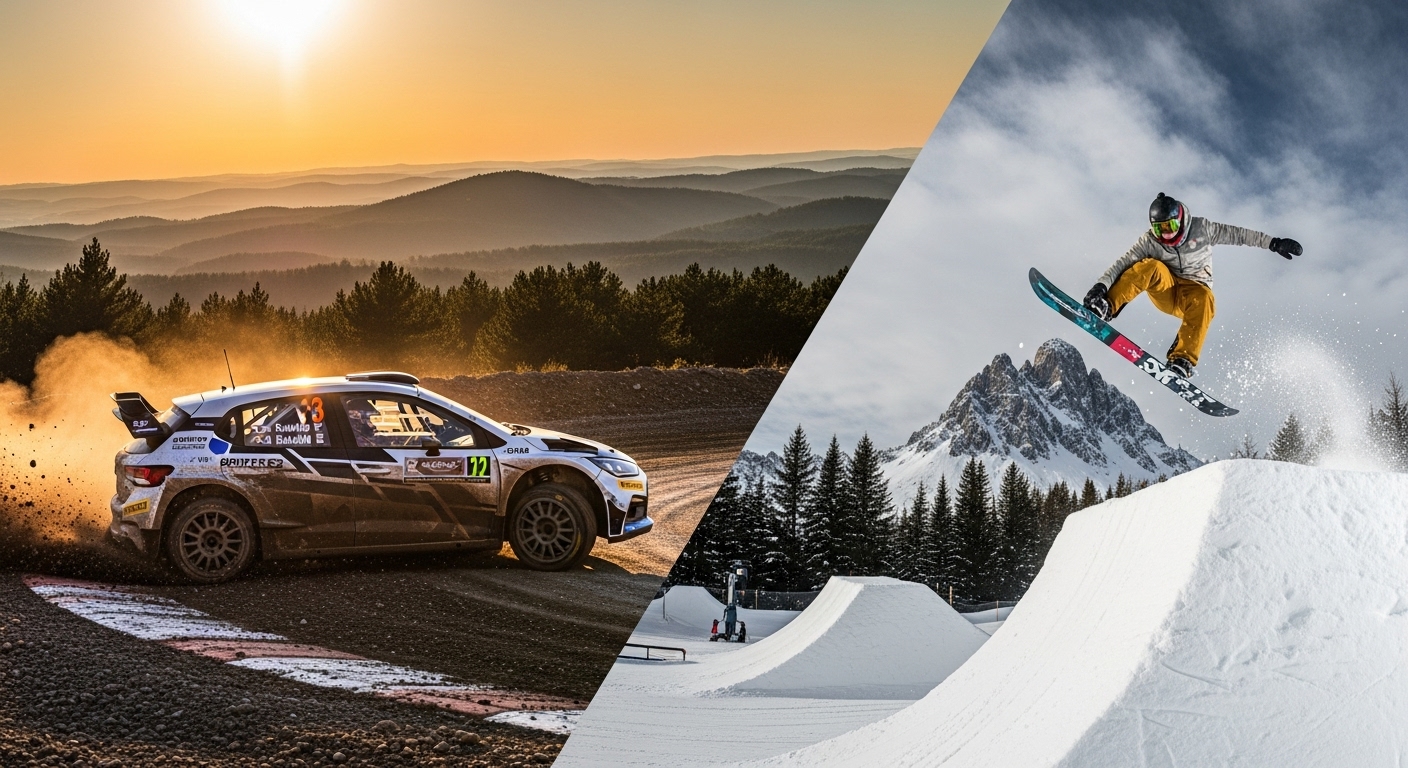





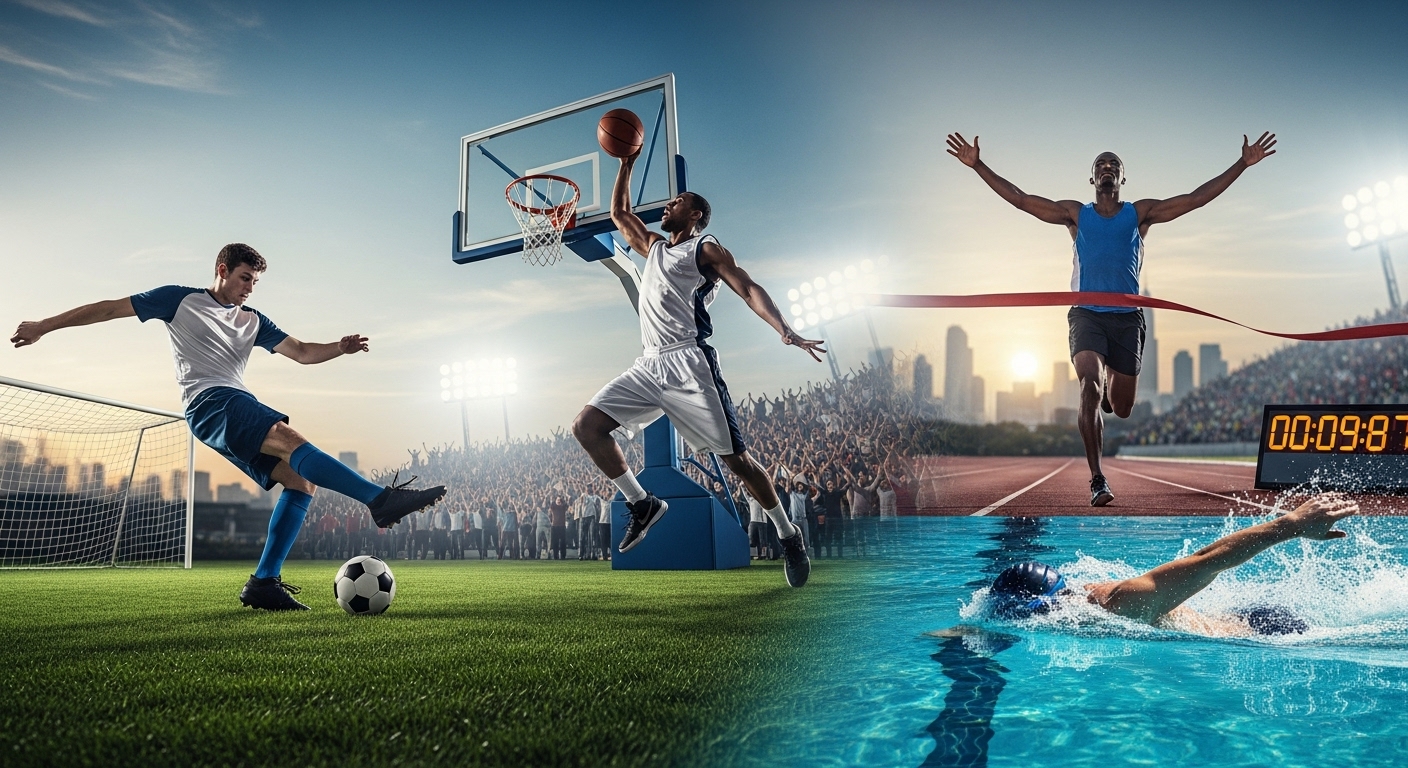
In the world of competitive sports, talent and physical prowess have always been considered the primary factors determining success. However, in recent years, there has been a growing recognition of a different kind of strength: mental toughness. The ability to stay focused under pressure, bounce back from setbacks, and maintain resilience in the face of adversity is now seen as just as important—if not more so—than physical ability. This shift has reshaped the way athletes train, compete, and succeed, making mental toughness a key element in modern sports.
The Rise of Mental Toughness: A New Era in Athletic Performance
Historically, athletes were often expected to demonstrate sheer physical strength and skill in their respective sports. However, as sports have evolved, particularly with the advancement of technology and analytics, the physical gap between athletes has started to narrow. With more and more athletes possessing similar physical abilities, the mental aspect of competition has emerged as a differentiating factor.
Mental toughness, which can be defined as the ability to stay calm, focused, and resilient under pressure, is no longer a vague concept. It’s something that coaches, trainers, and athletes themselves are actively working to develop. This mental fortitude is especially critical in high-stakes moments—whether it’s a last-minute penalty in soccer, a game-winning shot in basketball, or a pressure-packed final round of a major tennis tournament.
The Science Behind Mental Toughness: How the Brain and Body Work Together
The science of mental toughness is rooted in psychology, neuroscience, and physiology. It is the product of how an athlete’s mind and body interact under stress. When an athlete is under pressure, their body releases stress hormones like adrenaline and cortisol, which can either enhance or hinder performance based on how they manage these chemicals.
Mentally tough athletes know how to regulate their emotions and control their thoughts, even in the most intense situations. They understand that how they interpret stress and pressure has a significant impact on their performance. Positive self-talk, focus exercises, and visualization techniques are just a few of the tools used to train the mind, much like athletes would train their muscles.
One example of this mind-body connection can be found in neuroplasticity—the brain’s ability to rewire itself through repetition. Just as physical training strengthens muscles, mental training strengthens neural pathways that allow an athlete to perform better under pressure. Over time, consistent mental conditioning can make an athlete more resilient, adaptable, and ready to overcome the inevitable obstacles they face on their way to success.
The Mental Game in High-Pressure Situations: From the Court to the Field
In almost every sport, athletes encounter high-pressure situations that test their mental toughness. These are the moments when their mental strength is truly put to the test.
Basketball: The Clutch Shot and the Art of Composure
In basketball, the final seconds of a game can make or break a player’s legacy. Players like Kobe Bryant, Michael Jordan, and LeBron James are often celebrated not just for their talent but for their ability to perform when it matters most—during clutch moments. The term “clutch player” is often used to describe athletes who thrive under pressure, consistently making the game-winning shot or key play when the stakes are highest.
The key to being “clutch” is mental resilience. The ability to silence doubts, ignore the distractions of a packed arena, and focus solely on the task at hand is what separates great players from good ones. In a close game, when the entire weight of victory or defeat rests on a single shot, it’s the athlete’s mental toughness that often decides the outcome.
Tennis: Playing Through the Nerves
Tennis is another sport where mental toughness plays a crucial role in determining the outcome. The psychological battle between players is often as intense as the physical one. For example, in the Grand Slam finals, where thousands of spectators watch and millions of fans are invested in the match, athletes need an iron will to block out the external pressure and maintain focus on their game.
One notable example is Serena Williams, whose ability to perform under immense pressure has defined her career. She has won multiple Grand Slam titles in situations where she was down in the final set, showing remarkable resilience and focus when most players would falter. Serena’s mental strength is often cited as one of the key reasons she has dominated tennis for so many years.
Soccer: The Pressure of the Penalty Shootout
In soccer, penalty shootouts are perhaps the most intense test of an athlete’s mental toughness. With the entire match riding on a series of 12-yard kicks, players are under extreme psychological pressure. The combination of fatigue, anticipation, and the weight of the moment can cause even the most skilled players to crack under pressure.
Historically, David Beckham’s penalty miss in the 2004 UEFA European Championship semifinal is remembered as a moment when even one of the world’s most composed players was tested beyond his limits. On the flip side, players like Cristiano Ronaldo and Lionel Messi have shown exceptional mental strength in such high-pressure moments, converting crucial penalties to secure victories for their teams.
Mental preparation for a penalty shootout involves visualizing success, managing anxiety, and focusing on technique despite the overwhelming pressure. This mental conditioning, along with physical practice, allows players to perform at their best in moments of high stress.
How Athletes Build Mental Toughness: Training the Mind
Developing mental toughness is not an innate trait but a skill that can be honed. Today, athletes employ a variety of psychological strategies to strengthen their mental game. These strategies are not limited to professional athletes; amateur and aspiring athletes use these same techniques to improve their resilience and mental fortitude.
Visualization and Meditation
Visualization is a powerful tool in an athlete’s mental toolkit. Athletes practice seeing themselves succeeding in their sport—whether it’s hitting a perfect serve in tennis or sinking a critical three-pointer in basketball. This form of mental rehearsal primes the brain and prepares it to handle similar situations in real life. Research has shown that the brain often cannot differentiate between vividly imagining an action and physically performing it, making visualization a key part of building mental toughness.
Meditation is another technique that helps athletes stay calm and focused during high-stress moments. Mindfulness meditation allows athletes to develop greater self-awareness, helping them control negative thoughts and emotions. Many elite athletes, including Novak Djokovic and Michael Phelps, have credited meditation for their ability to stay grounded and maintain focus during competitions.
Positive Self-Talk
Athletes often struggle with self-doubt, especially when facing adversity. Negative thoughts like “I can’t do this” or “I’m going to fail” can be paralyzing and lead to poor performance. To counter this, athletes employ positive self-talk to stay confident and motivated. Phrases like “I’ve done this before” or “I’m in control” help athletes push through difficult situations.
Positive self-talk doesn’t just improve confidence—it can also enhance physical performance. Studies have shown that athletes who engage in positive self-talk are more likely to perform better in tasks that require focus and precision. In sports like golf or archery, where every movement needs to be precise, maintaining a positive mindset can be the difference between success and failure.
Resilience Training and Mental Recovery
Athletes also train to become more resilient by learning to cope with failure and setbacks. In a sport like football or rugby, injuries are almost inevitable, and recovering from them requires not just physical rehab but also mental fortitude. Being able to come back stronger after a tough defeat or a career-threatening injury is a sign of true mental toughness.
Tommy John surgery, a procedure that is common for pitchers in baseball, is a prime example. Many pitchers who have undergone the surgery have successfully returned to professional baseball, not just due to physical recovery but also because of the mental toughness they developed during the long and grueling rehabilitation process.
The Future of Mental Toughness in Sports
As the landscape of sports continues to evolve, the importance of mental toughness will only grow. With greater attention on mental health in sports, athletes are learning how to balance their mental and physical well-being. Mental health professionals, sports psychologists, and mindfulness coaches are now essential members of many sports teams.
We’re also seeing a greater emphasis on the development of mental toughness from a young age. Junior athletes are being trained not just in technical skills but also in psychological resilience. By addressing mental toughness early, athletes are better prepared to handle the pressures of elite competition later in their careers.
Conclusion: The Mind Is the Ultimate Tool for Success
While physical ability will always play a crucial role in athletic performance, it’s clear that mental toughness is the new frontier in sports. As technology and analytics continue to refine the way athletes train and compete, mental resilience will be the key factor that determines who comes out on top.
Whether it’s an underdog team defying the odds or a seasoned champion digging deep for that final push, mental toughness is the deciding factor that elevates athletes to greatness. As the sports world continues to evolve, we will no doubt see more and more stories of athletes winning the battle within—proving that sometimes, the greatest victories are not over an opponent, but over oneself.