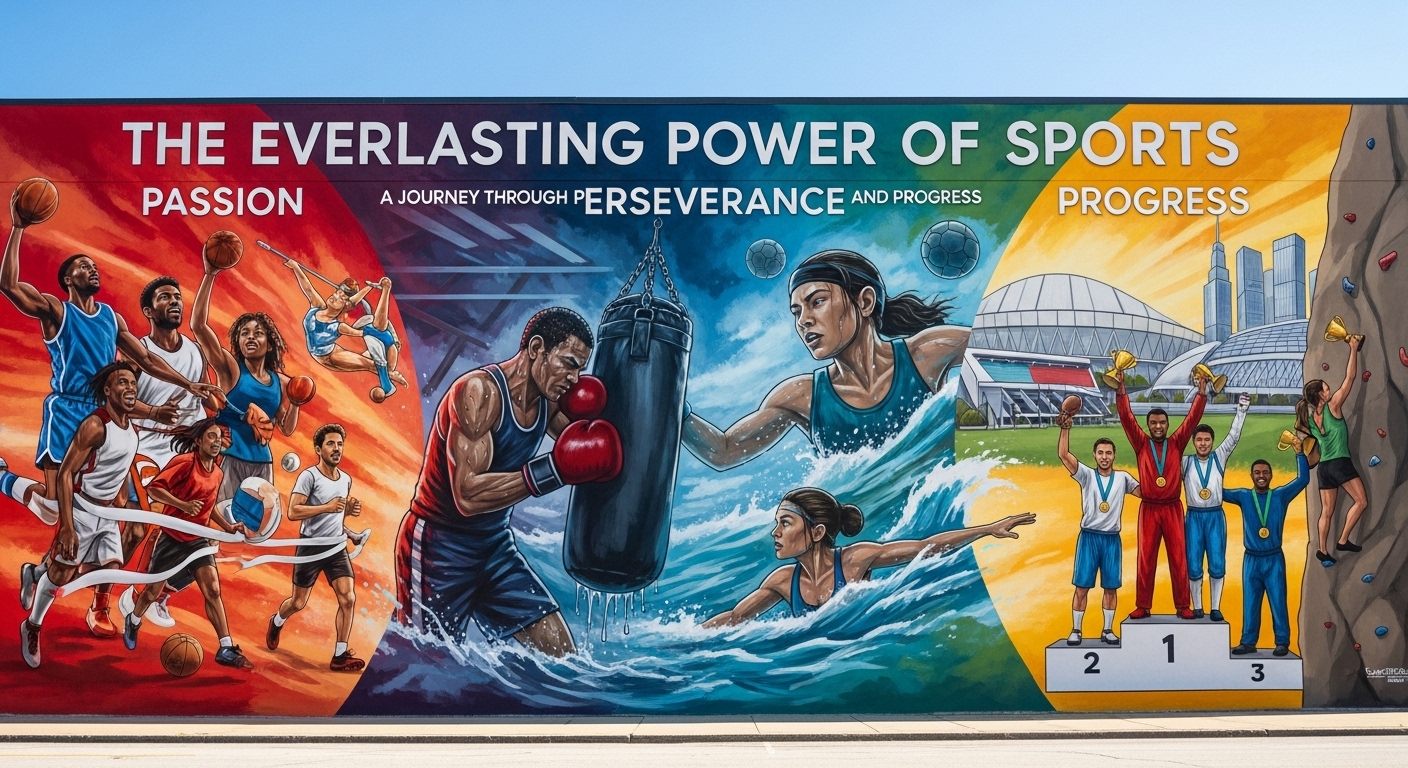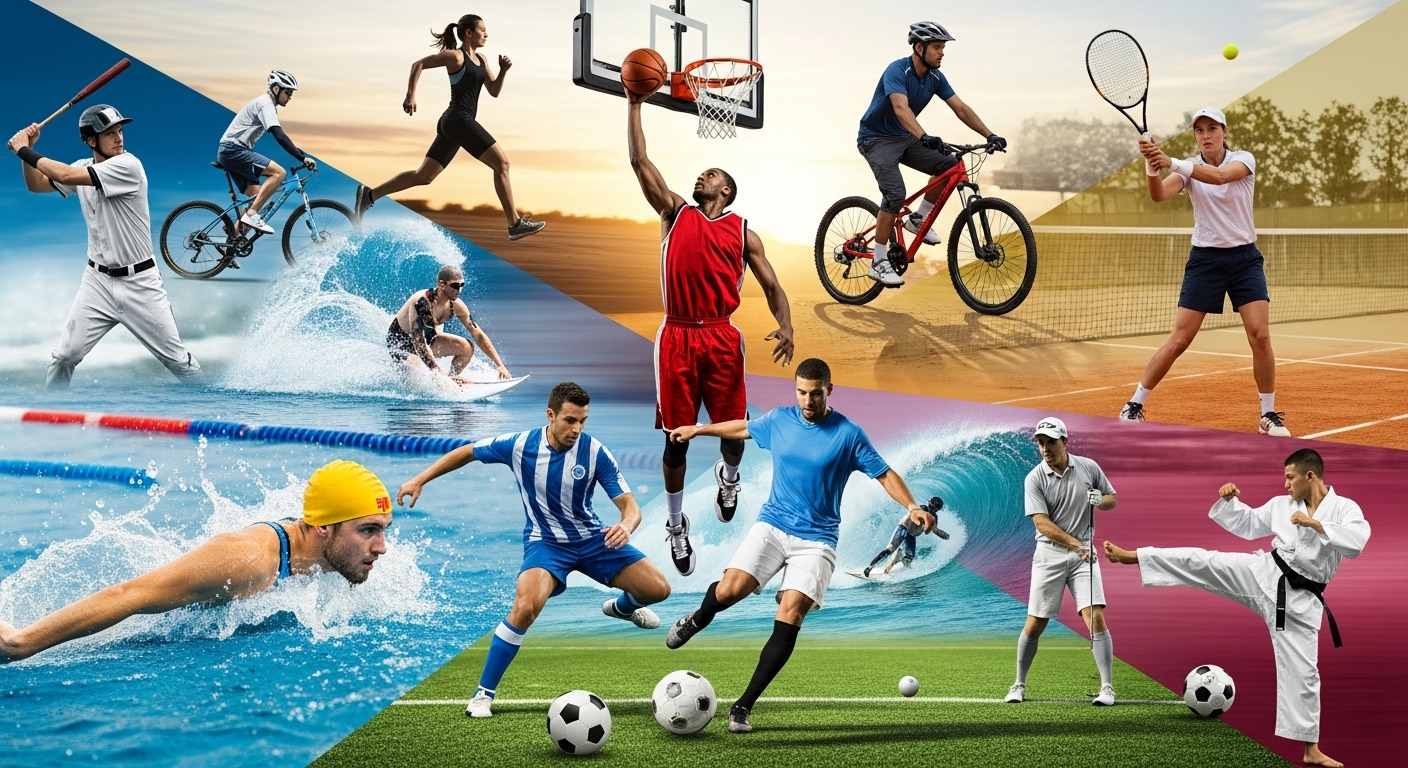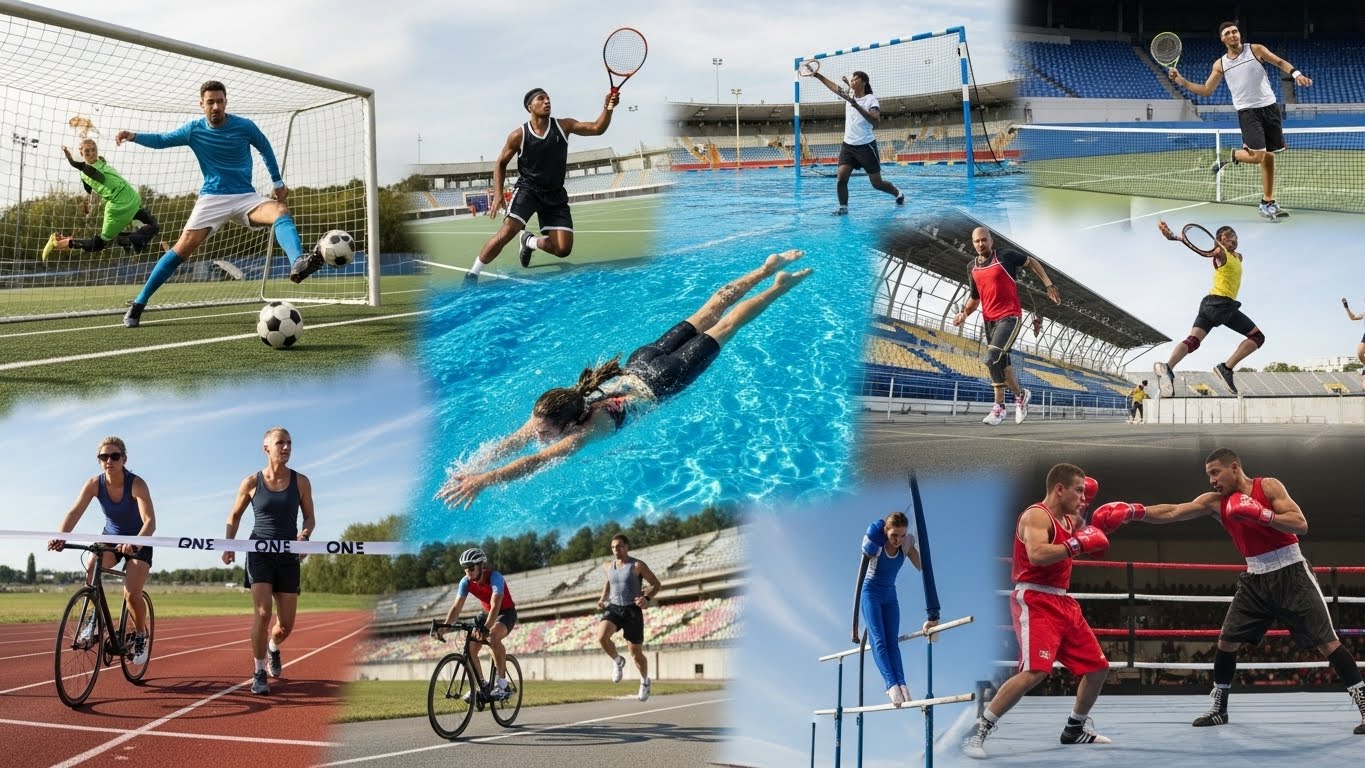





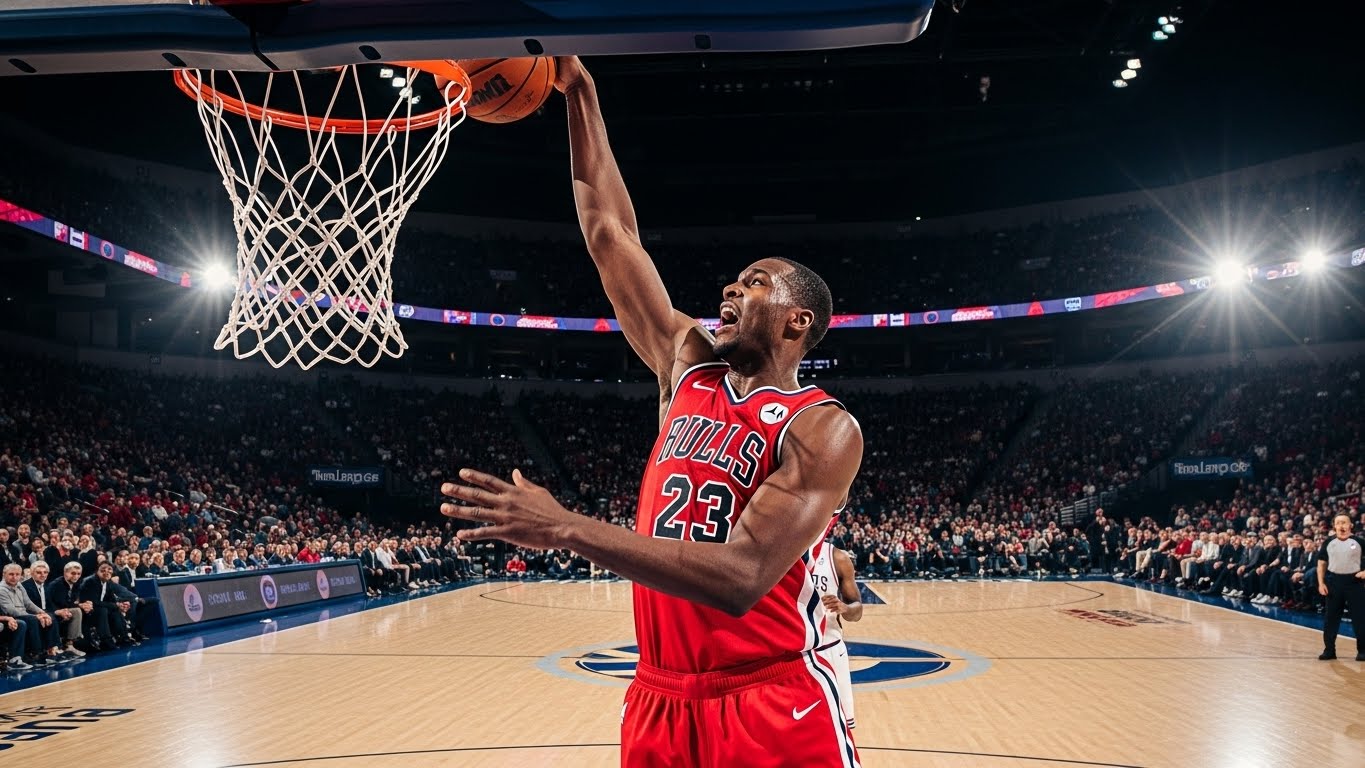
Sports have always been more than just games played on fields, courts, or tracks. They are a reflection of society, a test of human endurance, and a vehicle for personal and collective growth. From the roar of the crowd in massive stadiums to the quiet determination of an athlete training alone, sports encompass a spectrum of experiences that touch every aspect of human life. This blog delves into the multifaceted world of sports, exploring their impact on individuals, communities, and cultures, as well as their evolution and the lessons they teach us.
The Universal Language of Sports
One of the most fascinating aspects of sports is their universality. No matter where you are in the world, sports serve as a common language that transcends cultural, linguistic, and social barriers. Football matches in Brazil, cricket games in India, basketball tournaments in the United States, or martial arts competitions in Japan all resonate with passion and excitement. Sports bring people together, creating shared experiences that are understood beyond words. Fans cheering for their favorite teams, athletes pushing themselves to the limits, and communities rallying around local clubs all demonstrate the unifying power of sports.
The universality of sports also highlights their ability to promote global understanding and cooperation. International competitions such as the Olympics or World Cups encourage nations to engage in peaceful competition, celebrate diversity, and learn from one another’s sporting traditions.
The Role of Sports in Personal Development
Sports are not just about winning medals or trophies; they are a powerful tool for personal growth. Participation in sports cultivates discipline, resilience, and determination. Athletes learn to set goals, overcome setbacks, and push beyond perceived limits. These lessons extend far beyond the playing field. For example, teamwork in soccer or volleyball teaches communication and collaboration skills that are invaluable in the workplace. Endurance sports like marathon running instill mental toughness and patience, which can help individuals navigate life’s challenges.
Moreover, sports foster confidence and self-esteem. Achieving personal milestones, whether it’s mastering a new skill, improving performance, or simply completing a match, gives individuals a sense of accomplishment. This confidence often translates into other areas of life, encouraging people to take on challenges and pursue their ambitions with determination.
Sports and Physical Health
One of the most obvious benefits of sports is its contribution to physical health. Regular participation in sports improves cardiovascular health, strengthens muscles and bones, and enhances flexibility and coordination. It also helps in maintaining a healthy weight and preventing lifestyle-related diseases such as obesity, diabetes, and hypertension.
Beyond physical health, sports significantly impact mental well-being. Engaging in physical activity releases endorphins, which reduce stress, anxiety, and depression. Team sports provide social interaction and a sense of belonging, which further enhance mental health. For children and teenagers, sports are essential for developing motor skills, building confidence, and establishing healthy habits early in life.
The Social Impact of Sports
Sports have a remarkable social dimension. Local sports clubs and community events bring people together, fostering social cohesion and a sense of belonging. They provide a safe space for individuals to interact, collaborate, and build relationships. Community-based sports programs are especially important for youth, offering constructive activities that steer them away from negative influences.
Sports can also be a powerful agent of social change. Athletes often use their platform to raise awareness about social issues, advocate for equality, and inspire action. History is full of examples where sports have challenged stereotypes, fought discrimination, and promoted inclusivity. From campaigns promoting gender equality in sports to athletes advocating for racial justice, the influence of sports extends far beyond the stadium.
Economic Significance of Sports
The sports industry is a major contributor to the global economy. Professional leagues, tournaments, sponsorships, and sports tourism generate billions of dollars annually. Hosting major sporting events can boost local economies through infrastructure development, job creation, and increased tourism.
Sports also open career opportunities beyond being an athlete. Coaches, physiotherapists, sports journalists, event managers, and marketers play essential roles in the ecosystem. Additionally, sports merchandise, broadcasting rights, and endorsements create economic ripple effects that benefit communities worldwide.
The Evolution of Sports
Sports have evolved tremendously over the centuries. Ancient civilizations played rudimentary forms of games and competitions, many of which laid the foundation for modern sports. The Olympic Games, originating in ancient Greece, exemplify how sports have been celebrated and revered throughout history. Over time, formal rules, professional leagues, and global competitions transformed sports into the highly organized and commercialized industry we see today.
Technological advancements have further revolutionized sports. Innovations in training, performance analysis, and injury prevention have raised the bar for athletes. Wearable devices, video analysis, and data analytics provide insights that were unimaginable a few decades ago. Even the fan experience has evolved, with virtual reality, live streaming, and interactive platforms allowing audiences to engage with sports like never before.
Sports and Culture
Sports are deeply intertwined with culture. They reflect societal values, traditions, and identities. Certain sports are emblematic of national pride, such as baseball in the United States, sumo wrestling in Japan, or hurling in Ireland. They also influence music, fashion, and entertainment, shaping cultural expressions and trends.
Moreover, sports often serve as a mirror to social progress. The integration of women, the rise of para-sports, and the acceptance of athletes from diverse backgrounds illustrate changing cultural norms. Sports have the power to challenge prejudices, celebrate diversity, and create a more inclusive society.
Life Lessons from Sports
Perhaps the most profound impact of sports lies in the life lessons they impart. Sports teach the value of hard work, perseverance, and fair play. They demonstrate that success is earned through dedication and effort, not luck. Athletes learn to handle both victory and defeat with grace, cultivating humility and resilience.
Sports also teach the importance of teamwork and collaboration. Individual brilliance can shine, but collective effort often determines success. The lessons of strategy, leadership, and adaptability learned in sports can be applied to personal relationships, professional endeavors, and community engagement.
The Future of Sports
The future of sports promises even greater innovation, inclusivity, and global connectivity. Emerging technologies like artificial intelligence, virtual reality, and smart equipment will continue to enhance training, performance, and fan engagement. The rise of esports demonstrates that the definition of sports is expanding, encompassing not just physical prowess but also strategic thinking and digital competition.
In addition, there is a growing emphasis on sustainability in sports. Eco-friendly stadiums, responsible event management, and initiatives to reduce carbon footprints are becoming integral to the industry. Sports organizations increasingly recognize their responsibility to promote environmental stewardship alongside athletic excellence.
Conclusion: More Than Just a Game
Sports are far more than a source of entertainment. They shape individuals, strengthen communities, drive economic growth, and reflect cultural values. From teaching personal discipline to inspiring social change, the influence of sports is pervasive and enduring. Whether you are an athlete, a fan, or someone who appreciates the spirit of competition, sports offer lessons that resonate across all walks of life.
At their core, sports remind us of the power of human potential. They celebrate physical skill, mental resilience, and the joy of participation. They connect people across borders and generations, fostering a sense of unity and shared purpose. Beyond the game, sports inspire, challenge, and transform, leaving a lasting impact on everyone who engages with them.