




Introduction: The Everlasting Impact of Sports
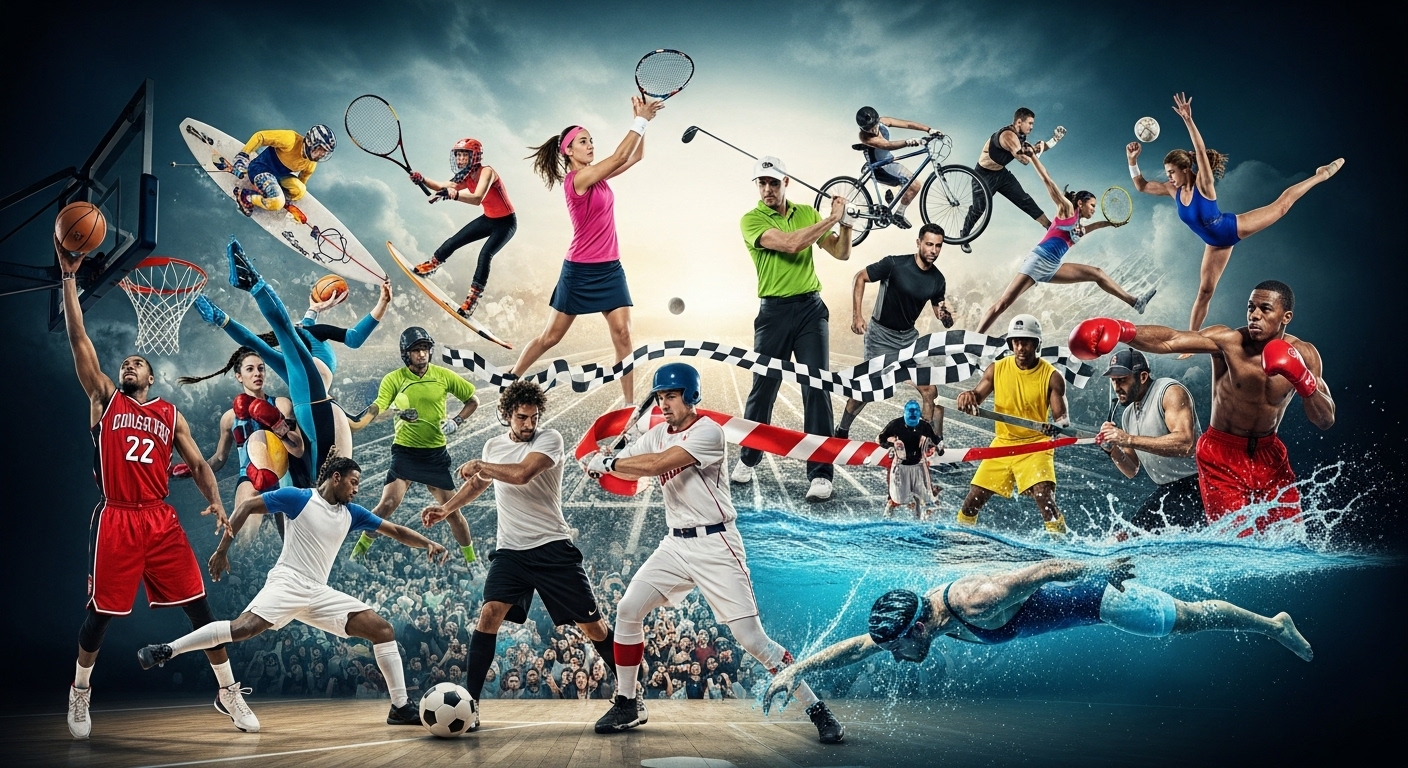
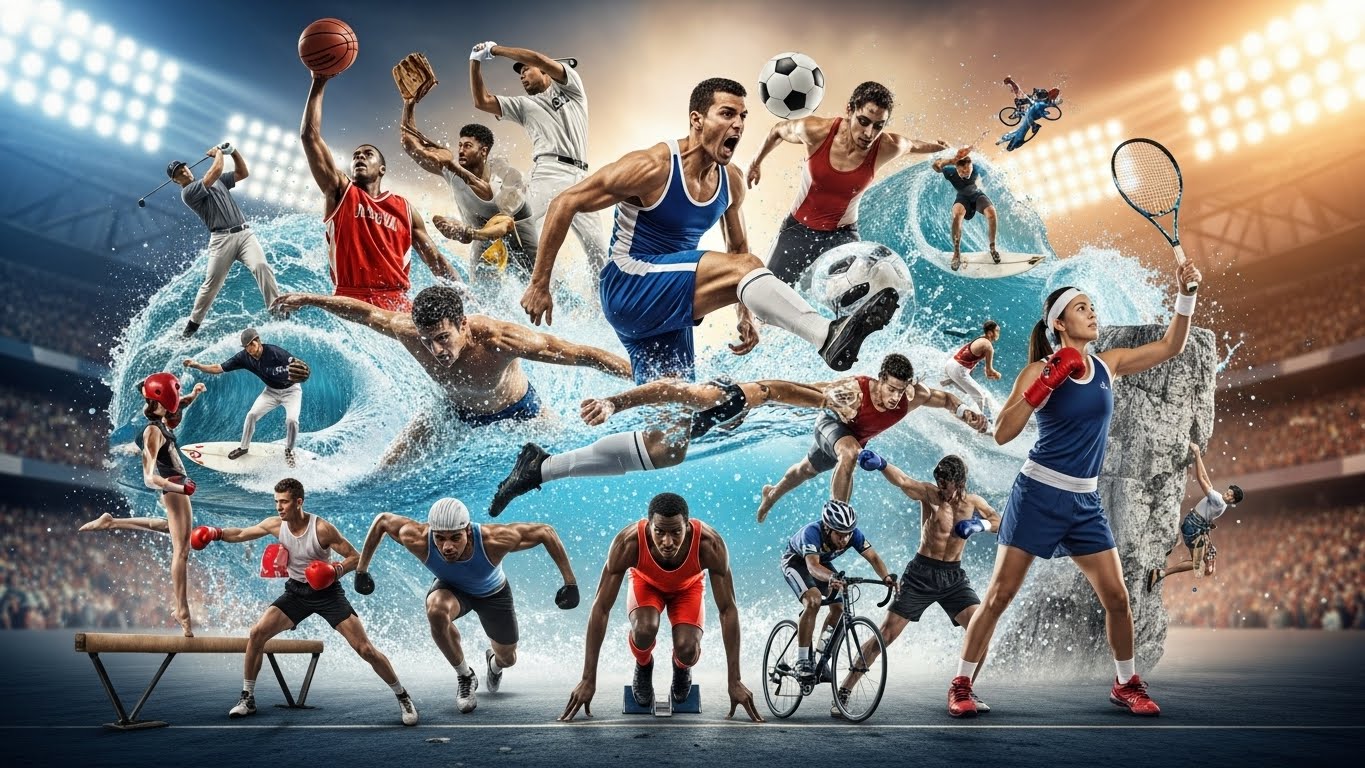
Sports have been a central part of human civilization for centuries. From the ancient Olympic Games to modern-day global tournaments, sports are more than just competition; they are a reflection of culture, dedication, and human aspiration. They teach lessons about discipline, perseverance, teamwork, and resilience. Whether it is a local neighborhood match or a worldwide championship, sports possess the power to unite people, inspire generations, and build a sense of identity that transcends borders.
In this blog, we will explore how sports influence personal growth, strengthen communities, contribute to social change, and shape the future of global athletics.
Sports and Personal Development
Participation in sports is one of the most effective ways to develop personal character and build essential life skills. From early childhood, sports encourage discipline and self-regulation. Daily training routines, learning strategies for improvement, and maintaining physical fitness teach the value of consistent effort. These lessons extend far beyond the playing field, affecting careers, relationships, and mental resilience.
Sports also play a critical role in mental well-being. Regular physical activity releases endorphins, reducing stress and anxiety. Individuals involved in sports often report higher levels of self-confidence and self-esteem. Experiencing wins and losses fosters emotional intelligence, helping individuals handle both triumph and disappointment gracefully. These lessons in personal growth make sports not just a physical activity but a holistic developmental experience.
Sports as a Tool for Community Building
One of the most powerful aspects of sports is their ability to bring communities together. Local sports clubs, school teams, and community tournaments create spaces where people interact, share experiences, and build lasting friendships. These activities provide opportunities for mentorship, volunteering, and collaboration across generations.
Sports also offer communities a shared identity. Local pride often grows from supporting hometown teams, and regional tournaments can create a sense of belonging and togetherness. On a larger scale, international competitions encourage national unity, as millions of people rally behind their country’s athletes. In essence, sports act as a social glue, strengthening the bonds between people and fostering mutual respect and understanding.
The Role of Technology in Modern Sports
Technological innovation has dramatically transformed sports in recent decades. Athletes now have access to sophisticated training tools, wearable devices, and performance analytics that provide insights previously unimaginable. These technologies help monitor heart rates, track movement, and optimize nutrition and recovery, allowing athletes to perform at peak levels while minimizing injuries.
Fans benefit from technology as well. High-definition broadcasting, slow-motion replays, and interactive content have transformed the way spectators experience games. Virtual reality and immersive experiences now allow fans to feel like they are part of the action, even from thousands of miles away. Additionally, officiating has become more precise thanks to technologies like video reviews and goal-line sensors, ensuring fair play and accuracy in competitions.
Women in Sports: Breaking Barriers
The rise of women’s sports is one of the most notable changes in the athletic world. Female athletes are gaining increased recognition, media coverage, and professional opportunities. Women’s leagues are attracting large audiences and generating significant revenue, proving that women’s sports are equally exciting and inspiring.
This progress is more than just athletic achievement; it reflects broader societal changes toward gender equality. Female participation in leadership roles, coaching, and sports management is gradually increasing, creating a more inclusive and dynamic environment. Celebrating women in sports also inspires young girls to pursue their athletic dreams, breaking generational barriers and fostering a culture of empowerment.
Youth Sports and the Foundation of Future Athletes
Youth sports play a vital role in shaping future generations. Participation in organized athletics provides children with opportunities to develop physical skills, mental toughness, and social awareness. Team-based sports teach collaboration and communication, while individual sports instill self-reliance and focus.
However, the modern landscape of youth sports comes with challenges. High levels of competition, pressure to specialize early, and unrealistic expectations can sometimes overshadow the joy of play. It is crucial for parents, coaches, and communities to ensure a balanced approach, emphasizing fun, learning, and growth over only winning. When guided correctly, youth sports can cultivate resilience, leadership, and integrity—qualities that last a lifetime.
Sports as a Catalyst for Social Change
Sports have always intersected with social movements and advocacy. Athletes often use their platforms to raise awareness about critical issues such as equality, mental health, education, and environmental sustainability. These actions demonstrate that sports are not isolated from society but are an influential part of cultural and social conversations.
Modern athletes are more vocal and socially conscious than ever before. Their advocacy can inspire entire communities, spark dialogue, and drive meaningful change. From promoting inclusivity to supporting humanitarian causes, sports offer a powerful stage for social activism and leadership.
The Globalization of Sports
Sports today are more global than ever. International leagues, cross-border training, and global fan bases have created a truly interconnected athletic world. Athletes exchange techniques and experiences across cultures, raising the level of performance worldwide.
International tournaments bring together fans from all corners of the globe, showcasing not only athletic skill but also cultural diversity. These events foster mutual respect and understanding among nations, promoting the idea that sports can be a unifying force despite differences in language, religion, or heritage.
The Future of Sports
The future of sports is poised for remarkable transformation. Emerging technologies such as artificial intelligence, virtual reality, and wearable devices will continue to enhance training, performance, and fan engagement. Esports are gaining recognition as a legitimate form of competition, appealing to younger generations and diversifying the definition of sports.
Sustainability will also become a central concern. Eco-friendly stadiums, reduced carbon footprints, and ethical production of sports equipment are becoming priorities for athletes, organizations, and fans. Sports are evolving to reflect global challenges while maintaining their core values of fairness, passion, and competition.
Inclusivity will remain a key focus. Adaptive sports for individuals with disabilities, support for diverse gender identities, and initiatives to reduce barriers to entry are transforming the athletic landscape into a more welcoming space for everyone. The future promises a world where sports can inspire and empower more people than ever before.
Conclusion: Sports as a Reflection of Human Potential
Sports are far more than competition or entertainment. They are a reflection of human potential, a vehicle for personal growth, a builder of communities, and a platform for social change. They teach us how to face challenges, collaborate with others, and celebrate achievements, both big and small.
The universality of sports allows people from all walks of life to connect, compete, and grow together. Despite technological advances, globalization, and changing societal norms, the essence of sports remains the same: passion, dedication, and the pursuit of excellence.
Whether you are a professional athlete, a casual player, or a devoted fan, sports offer a timeless source of inspiration. They remind us of the power of human effort, the joy of shared experiences, and the unifying spirit that transcends differences. In every game played, every goal scored, and every match celebrated, sports continue to shape lives, communities, and the world.