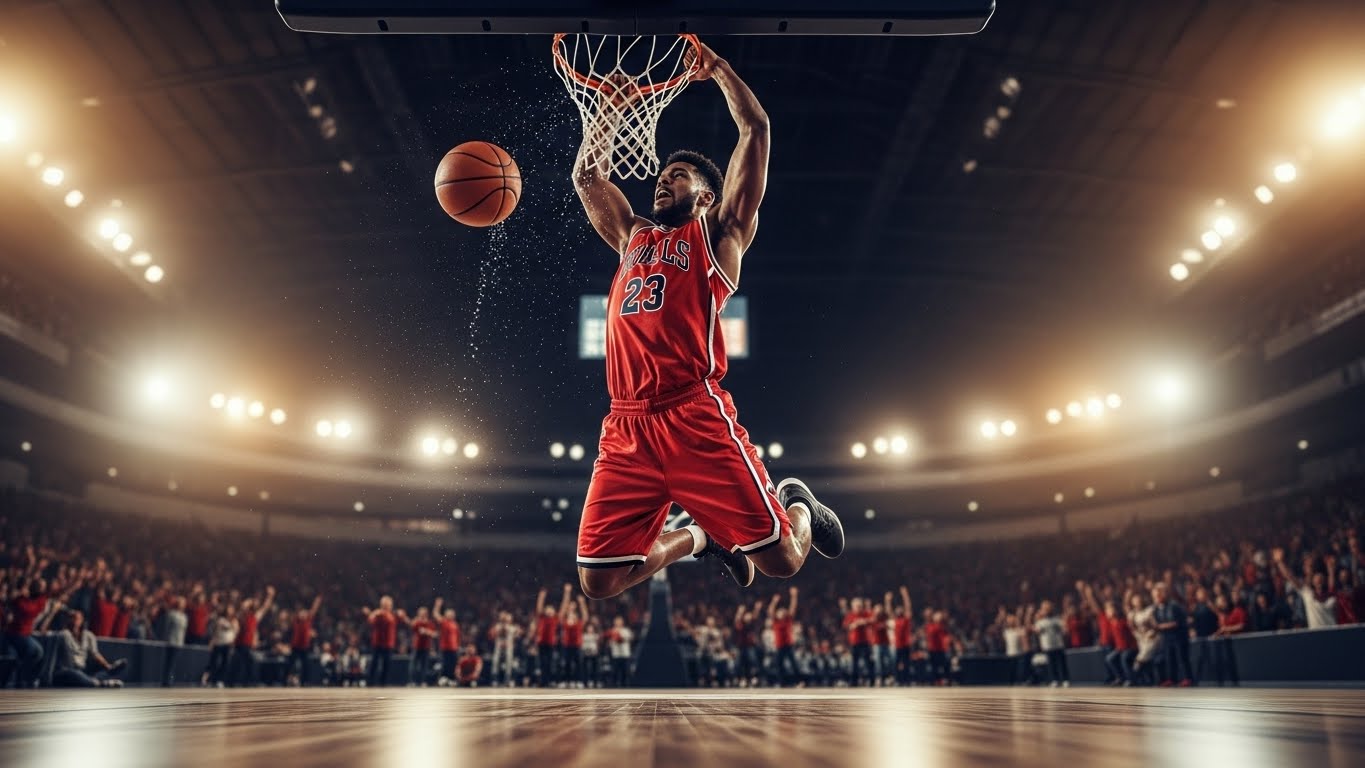





Sports have been an integral part of human civilization for centuries, evolving from simple physical activities to highly organized global spectacles. Whether it’s the thrill of competition, the joy of teamwork, or the pursuit of personal excellence, sports have a profound impact on individuals and societies alike. This blog explores the multifaceted role of sports, highlighting their physical, mental, social, and cultural significance, while uncovering lessons that transcend the playing field.
The Physical Benefits of Sports
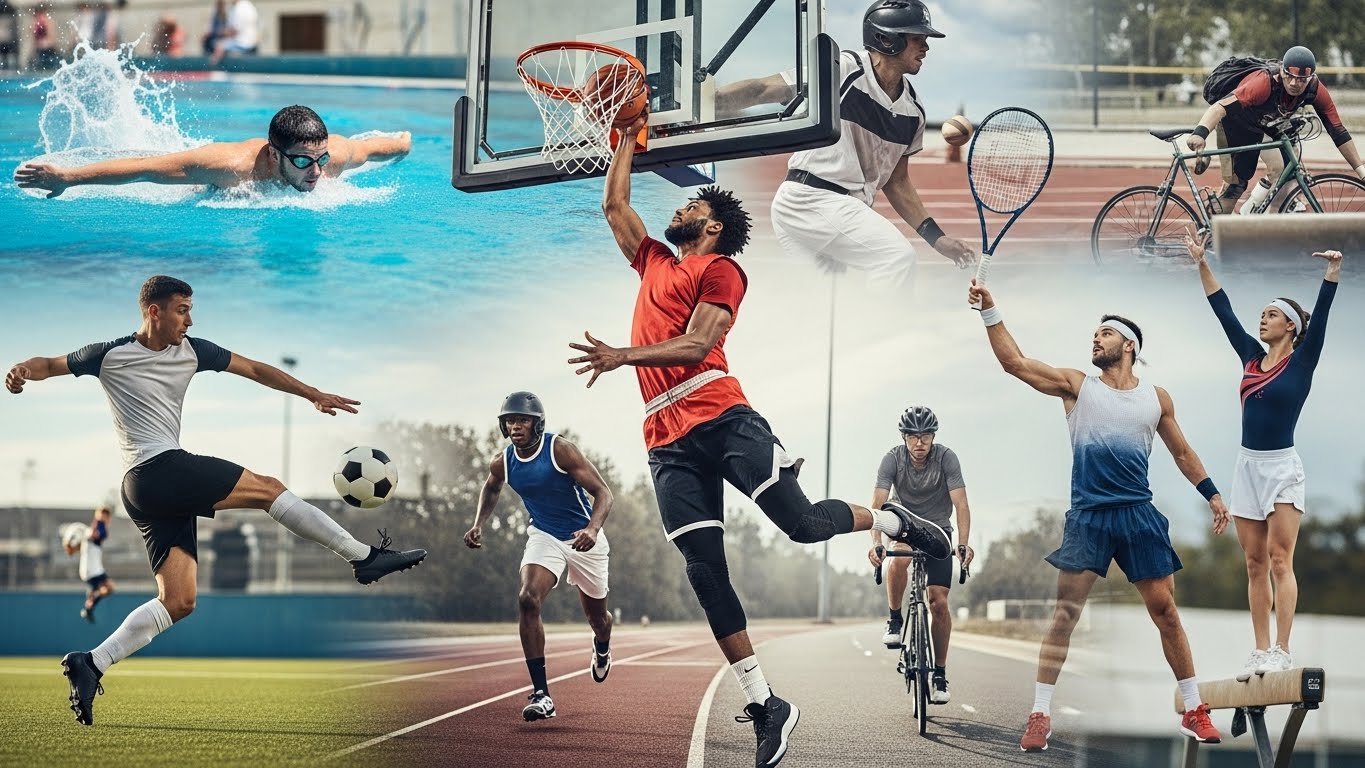
Engaging in sports is one of the most effective ways to maintain physical health. Regular participation in physical activities strengthens muscles, improves cardiovascular health, and enhances overall endurance. Sports such as swimming, running, and soccer demand a combination of strength, speed, and stamina, helping individuals build a robust and resilient body.
Beyond muscular and cardiovascular development, sports also improve flexibility and coordination. Activities like gymnastics, tennis, and martial arts challenge the body in diverse ways, enhancing agility and balance. These benefits extend beyond professional athletes; even recreational sports provide significant health advantages, reducing the risk of chronic diseases and promoting longevity.
Mental and Emotional Benefits
The influence of sports extends far beyond the physical realm. Participation in sports has been scientifically linked to improved mental health and emotional well-being. Regular physical activity stimulates the release of endorphins, the body’s natural mood enhancers, which can reduce stress and alleviate symptoms of anxiety and depression.
Sports also foster mental discipline and focus. Athletes must plan strategies, analyze opponents, and make split-second decisions under pressure. This constant engagement of the mind strengthens cognitive functions such as concentration, problem-solving, and decision-making. Moreover, overcoming physical challenges in sports teaches resilience, persistence, and the ability to cope with failure—skills that are invaluable in everyday life.
Teamwork and Social Connection
One of the most celebrated aspects of sports is its ability to bring people together. Team sports, in particular, teach collaboration, communication, and mutual respect. Working towards a common goal on the field mirrors essential life skills that are crucial in workplaces, schools, and communities.
Sports create a sense of belonging. Fans gather to cheer for their favorite teams, communities organize local tournaments, and players form lifelong friendships through shared experiences. These social interactions foster empathy, cooperation, and a sense of unity that transcends individual differences. The social fabric strengthened by sports plays a vital role in promoting inclusivity and cultural understanding.
Discipline and Personal Growth
Sports are a powerful teacher of discipline. Success in any sport demands consistent practice, strict adherence to rules, and a commitment to self-improvement. Athletes learn to manage time efficiently, set realistic goals, and maintain focus amidst distractions. These habits often translate into academic and professional success, illustrating how sports cultivate qualities that extend well beyond the playing arena.
Furthermore, sports provide a framework for personal growth. Experiencing victories and defeats allows individuals to understand the value of hard work, patience, and perseverance. Each challenge faced on the field is an opportunity to learn, adapt, and grow stronger—a lesson that resonates in all aspects of life.
Cultural Significance of Sports
Sports are not just games; they are reflections of culture, history, and identity. Different regions have distinct sports traditions that symbolize their heritage. For instance, cricket is deeply woven into the cultural fabric of South Asia, while basketball resonates strongly in the United States. These sports become symbols of national pride, fostering a sense of identity and belonging.
International sports events, such as the Olympics and World Cup, serve as global celebrations of human potential. They transcend linguistic, political, and cultural barriers, uniting people through a shared love for competition. Through these events, sports promote diplomacy, mutual respect, and global harmony, demonstrating the power of play to connect the world.
Sports as a Career
For many, sports are more than a hobby—they are a lifelong career. Professional athletes dedicate years to honing their skills, navigating rigorous training schedules, and facing intense competition. While fame and financial rewards are often associated with professional sports, the career path also demands sacrifices, resilience, and unwavering dedication.
The sports industry extends beyond athletes. Coaches, sports analysts, physiotherapists, and sports psychologists contribute to the ecosystem, creating a vast network of opportunities. Careers in sports provide a unique blend of passion, profession, and purpose, making them highly fulfilling for those who choose this path.
Technological Advancements in Sports
Modern sports have been transformed by technology. Innovations in training equipment, performance analytics, and injury prevention have elevated athletic performance to unprecedented levels. Wearable devices monitor heart rates, fatigue levels, and movement patterns, helping athletes optimize their training and prevent injuries.
Moreover, technology has enhanced fan experiences. High-definition broadcasts, instant replays, and interactive platforms allow fans to engage with sports like never before. Virtual reality and augmented reality are opening new horizons, offering immersive experiences that bring fans closer to the game. These advancements illustrate how technology and sports continue to evolve hand in hand.
Sports and Youth Development
Sports play a crucial role in shaping the character and potential of young people. Participation in organized sports teaches responsibility, teamwork, and time management. Children and teenagers learn to navigate competition, celebrate successes, and cope with setbacks in a supportive environment.
Youth sports programs also provide safe spaces for physical activity, promoting healthy habits from an early age. These programs can deter negative behaviors, build confidence, and encourage leadership. By fostering both physical and emotional development, sports prepare young people to thrive in adulthood.
The Global Impact of Sports
The impact of sports extends globally, influencing economies, politics, and social change. Major sporting events generate revenue, create jobs, and stimulate tourism. Countries invest heavily in sports infrastructure to attract international competitions, showcasing their culture and capabilities to the world.
Sports also serve as catalysts for social change. Athletes use their platforms to raise awareness about important issues, from gender equality to environmental conservation. Movements inspired by sports demonstrate how the playing field can become a stage for activism, inspiring millions to take action.
Challenges and Ethical Considerations
Despite the many benefits, sports are not without challenges. Issues such as doping, corruption, and discrimination continue to affect the integrity of sports. Additionally, the pressure to perform at elite levels can take a toll on mental and physical health. Addressing these concerns requires ethical oversight, fair regulations, and a commitment to transparency.
Promoting inclusivity is another ongoing challenge. Efforts must be made to ensure equal opportunities for women, differently-abled individuals, and underrepresented communities. When these issues are addressed, sports can truly fulfill their potential as a force for good.
The Lifelong Connection to Sports
Sports are not just for athletes or fans; they are a lifelong companion. Recreational activities such as jogging, swimming, or cycling keep adults healthy, while recreational leagues and clubs maintain social connections. Even after retiring from professional play, many find joy in coaching, mentoring, or simply enjoying sports as spectators.
This enduring connection highlights the universality of sports. They adapt to every stage of life, offering benefits and enjoyment regardless of age or skill level. The lessons learned from sports—resilience, teamwork, and discipline—remain valuable throughout life, making sports a truly transformative force.
Conclusion
Sports are far more than games; they are a reflection of human potential and societal values. They strengthen the body, sharpen the mind, foster social bonds, and celebrate cultural identity. From recreational players to professional athletes, the lessons learned on the field resonate in everyday life, teaching resilience, discipline, and the power of teamwork.
In a world that is increasingly digital and fast-paced, sports provide a tangible, unifying experience that reminds us of the importance of health, community, and personal growth. Whether you are actively playing, coaching, or cheering from the stands, sports have a unique ability to inspire, connect, and transform. They are a celebration of human spirit—a testament to what we can achieve when passion meets perseverance.