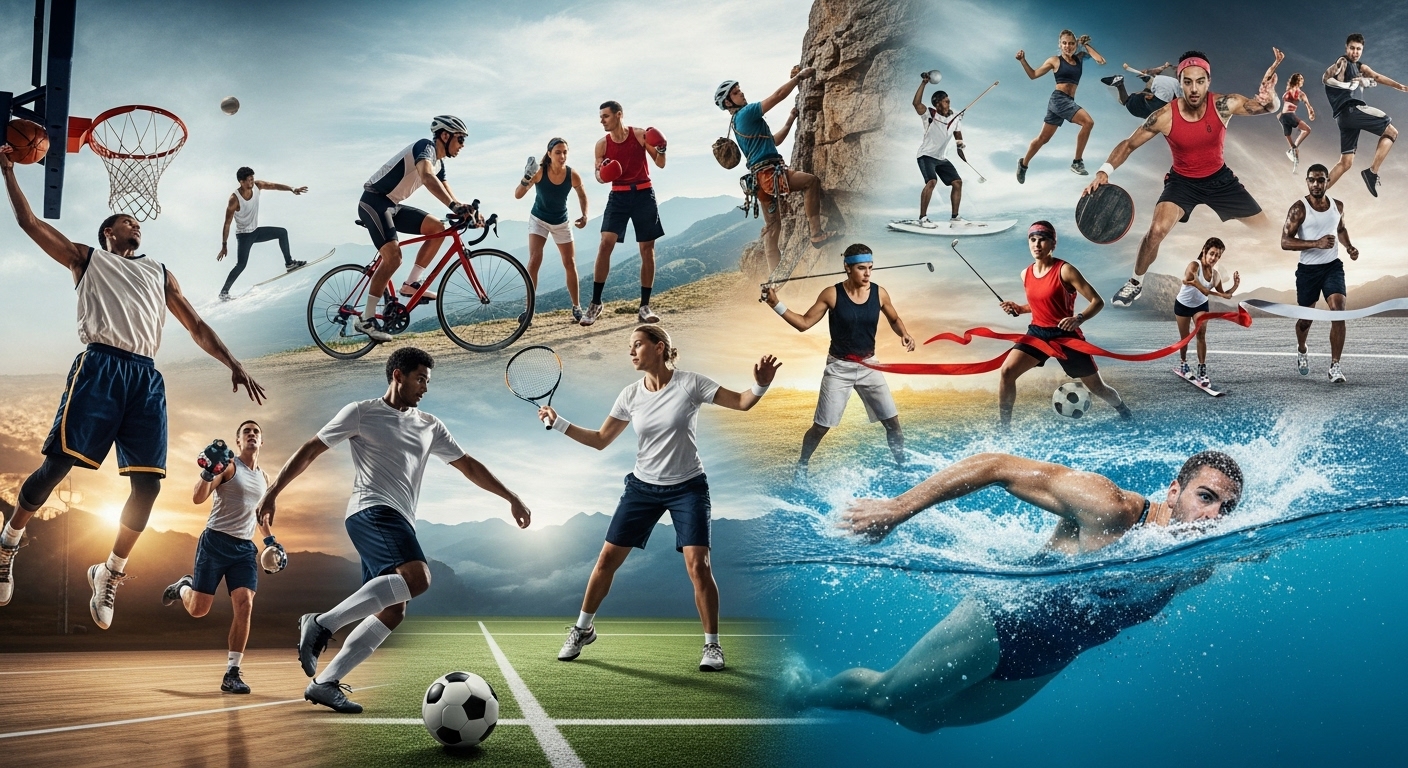





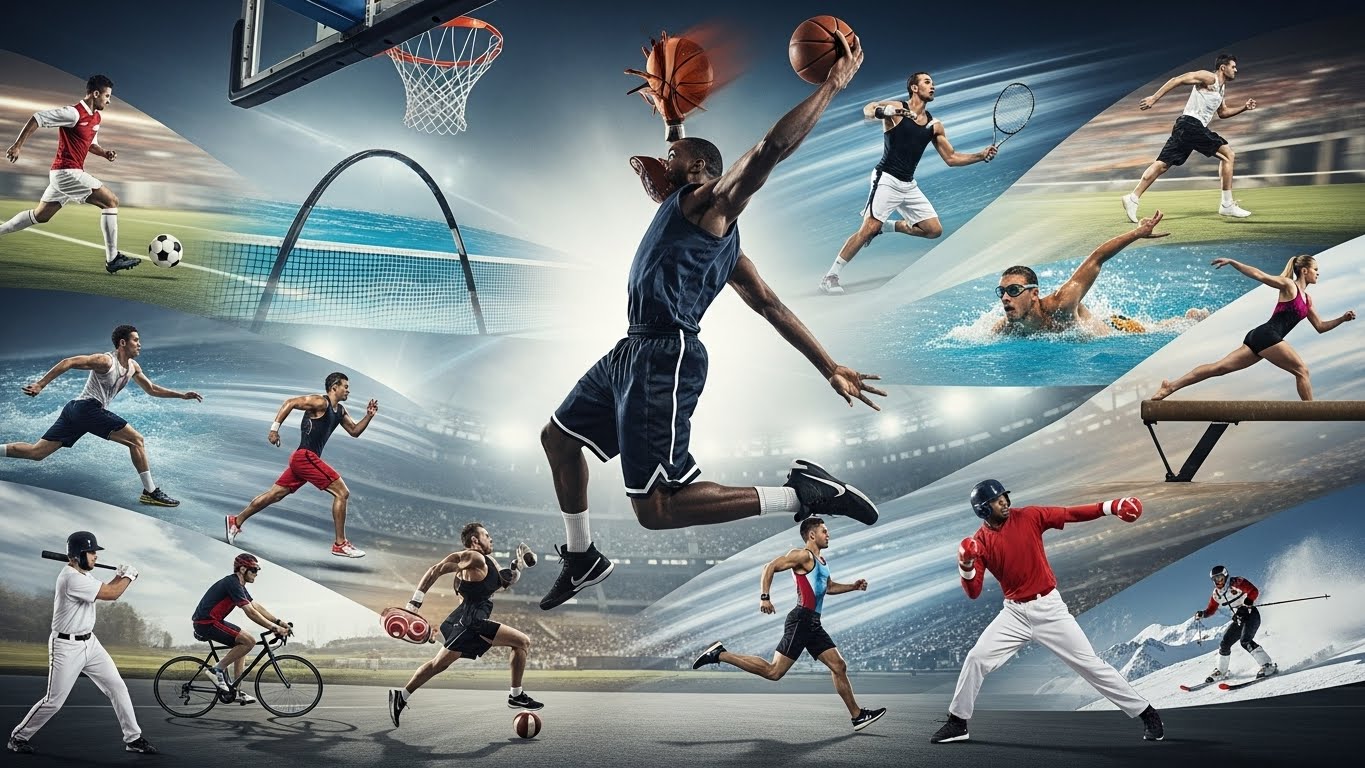
Sports are more than just physical activity; they are a reflection of human passion, discipline, and resilience. From local playgrounds to massive international arenas, sports connect people across cultures, inspire generations, and teach lessons that extend far beyond the playing field. In this blog, we will explore the multifaceted world of sports, their benefits, societal impact, and why they remain a cornerstone of human development.
The Universal Language of Sports
One of the most fascinating aspects of sports is its universality. Regardless of nationality, language, or background, sports have a way of bridging gaps. Watching a soccer match in Brazil, a cricket game in India, or a basketball tournament in the United States evokes similar emotions—joy, excitement, and suspense. This shared experience creates a sense of belonging and fosters unity among diverse groups of people. It is this universality that allows sports to act as a common language, capable of connecting individuals who might otherwise have little in common.
Physical Health Benefits of Sports
Engaging in sports offers numerous physical health benefits. Regular physical activity improves cardiovascular health, strengthens muscles and bones, and boosts flexibility. Activities such as running, swimming, or cycling enhance endurance, while team sports like football or basketball promote coordination and agility. Additionally, participating in sports can reduce the risk of chronic diseases such as obesity, diabetes, and hypertension. By keeping the body active, sports also contribute to longer, healthier lives.
Mental and Emotional Advantages
Sports are equally beneficial for mental health. The psychological benefits of playing sports include reduced stress, improved mood, and increased self-esteem. Physical activity triggers the release of endorphins, chemicals in the brain that act as natural mood enhancers. Beyond this biochemical effect, sports also help individuals develop resilience, patience, and problem-solving skills. Athletes often face challenges such as injuries or setbacks, and overcoming these hurdles can foster a strong sense of mental toughness that extends into everyday life.
Teamwork and Leadership Skills
Participation in sports cultivates essential life skills, particularly teamwork and leadership. Team sports like soccer, volleyball, and hockey require players to collaborate, communicate effectively, and make quick decisions under pressure. Athletes learn how to support their teammates, share responsibilities, and celebrate collective success rather than focusing solely on personal achievements. Leadership skills naturally emerge as individuals guide, motivate, and inspire their peers. These skills are invaluable in professional and personal contexts, where collaboration and adaptability are often critical for success.
Sports as a Tool for Education
Sports have a profound role in education, both formal and informal. Many schools and universities incorporate sports programs to promote holistic development. Participation in sports can improve concentration, discipline, and time management among students. Moreover, it fosters a sense of responsibility, as athletes must balance academic and athletic commitments. Educational programs often use sports to teach life lessons about perseverance, integrity, and respect. Through these programs, young people learn that success is achieved through consistent effort, fair play, and dedication.
Economic and Social Impact of Sports
Sports also have significant economic and social implications. Major sporting events, such as the Olympics or World Cup, generate substantial revenue through tourism, broadcasting, and merchandising. Sports infrastructure, including stadiums, training facilities, and sports academies, creates employment opportunities and stimulates local economies. Beyond economics, sports have a positive social impact by encouraging community engagement and social inclusion. Local leagues, recreational clubs, and community sports initiatives bring people together, fostering social cohesion and civic pride.
The Role of Technology in Modern Sports
Technology has transformed the world of sports in remarkable ways. Advanced training equipment, performance analytics, and wearable devices allow athletes to track progress and optimize performance. Video replay systems enhance fairness by ensuring accurate decision-making in competitive events. Fans also benefit from technology through live streaming, virtual reality experiences, and interactive apps that provide real-time statistics and immersive content. By integrating technology, sports have become more precise, accessible, and engaging for both players and spectators.
Women in Sports: Breaking Barriers
Historically, sports were often dominated by men, but the rise of women in athletics has reshaped the landscape. Female athletes have broken barriers, challenged stereotypes, and achieved remarkable success on global stages. Sports icons have become role models, inspiring young girls to pursue their dreams and demonstrating that talent, dedication, and hard work know no gender boundaries. The growing visibility and recognition of women in sports promote gender equality and encourage societies to value the contributions of all athletes equally.
Sports as a Platform for Social Change
Sports are powerful tools for promoting social change. Athletes often use their platforms to advocate for important issues such as racial equality, environmental sustainability, and mental health awareness. By raising public consciousness and inspiring action, sports figures can influence societal attitudes and contribute to meaningful change. Events such as charity matches, awareness campaigns, and community outreach initiatives demonstrate that sports can extend beyond entertainment to create a positive impact on society.
The Psychological Thrill of Spectatorship
The excitement of watching sports is a unique psychological experience. Spectators experience intense emotions, from the thrill of victory to the heartbreak of defeat. This emotional engagement fosters a sense of community, as fans celebrate and commiserate together. The act of supporting a team or athlete provides a sense of identity and belonging, while the unpredictability of sports keeps viewers engaged. This dynamic creates a powerful bond between the game and its audience, making sports a captivating cultural phenomenon.
Youth Development Through Sports
For children and teenagers, sports serve as a crucial developmental tool. Engaging in sports from a young age promotes physical growth, coordination, and cognitive development. More importantly, it instills discipline, time management, and a strong work ethic. Youth sports programs also teach critical values such as respect, teamwork, and resilience. By participating in organized sports, young individuals develop confidence and social skills that help them navigate challenges both on and off the field.
The Future of Sports
The future of sports is full of exciting possibilities. Emerging trends such as esports, adaptive sports for differently-abled individuals, and sustainable sports practices are redefining traditional notions of athleticism. Innovations in equipment, training methods, and fan engagement are likely to continue transforming how sports are played and consumed. Moreover, the growing emphasis on inclusivity, mental health, and ethical practices indicates that the future of sports will not only be competitive but also socially responsible and human-centric.
Conclusion: More Than Just a Game
Sports are far more than just a pastime; they are a vital part of human culture, health, and development. From physical and mental benefits to social impact and global influence, sports shape individuals and societies alike. They teach discipline, resilience, and teamwork, while also offering joy, excitement, and a sense of belonging. Whether played on a professional stage or in a local community park, sports have the power to inspire, unite, and transform lives. In the end, sports remind us that human potential is limitless when passion meets perseverance.