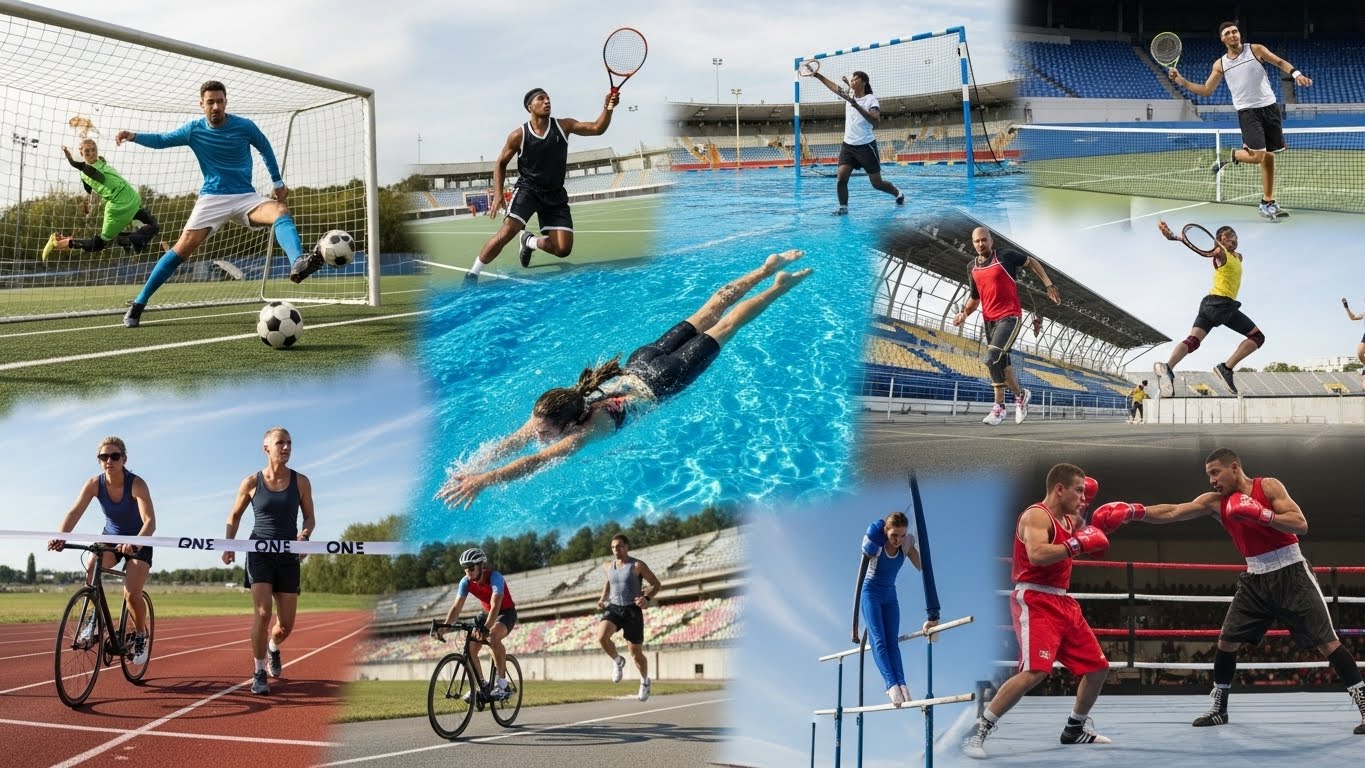





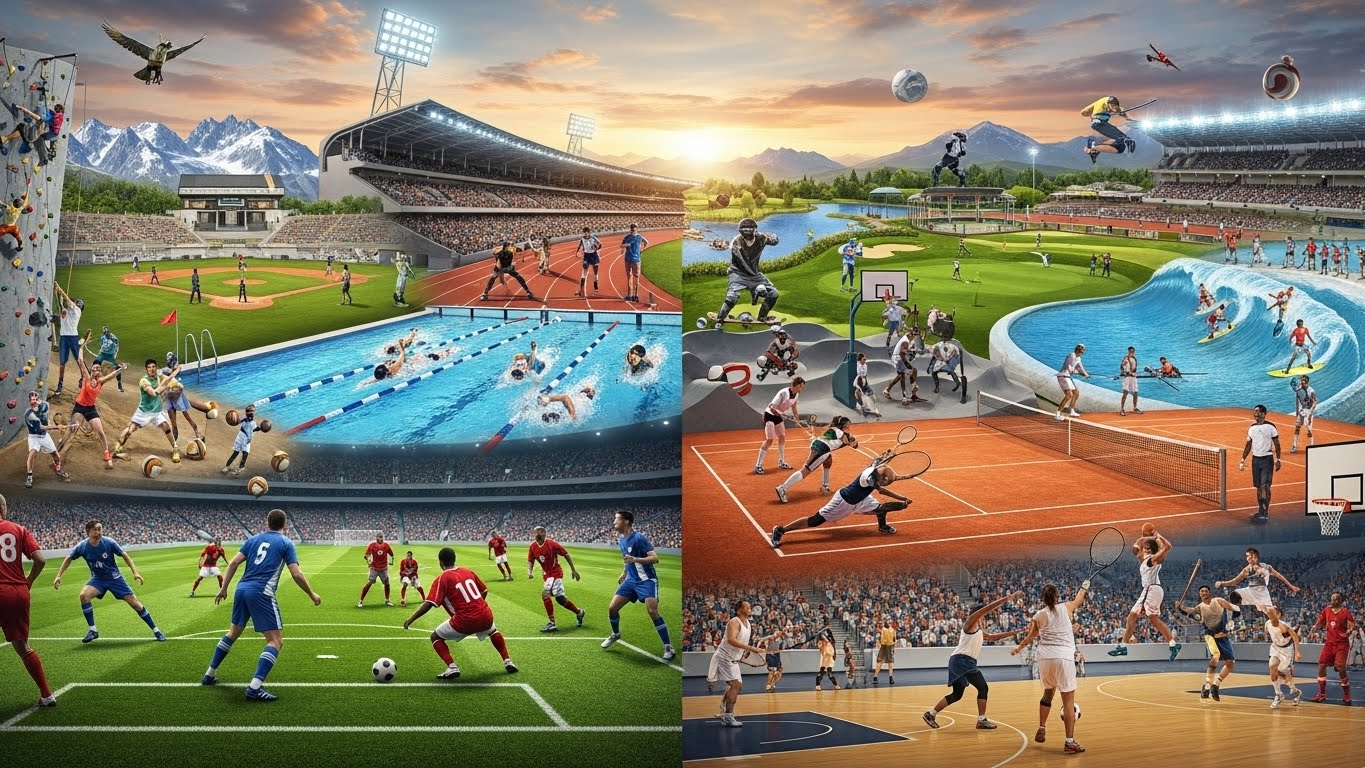
Sports have always been more than just games. They are a reflection of culture, a source of inspiration, and a vehicle for personal and societal growth. From local playgrounds to global stadiums, sports capture the human spirit, challenging individuals to push their limits and fostering unity among communities. In this blog, we explore the multifaceted world of sports, examining its evolution, impact on society, the science behind athletic performance, and its future in a rapidly changing world.
The Evolution of Sports
The history of sports stretches back thousands of years, originating as simple physical activities that tested strength, endurance, and skill. Ancient civilizations, including the Greeks, Egyptians, and Chinese, embraced athletic competitions, often intertwining them with cultural rituals and social status. The Olympic Games in ancient Greece are among the earliest organized sporting events, celebrating excellence, discipline, and honor.
Over time, sports evolved into organized competitions with formal rules, leagues, and governing bodies. Modern sports, such as football, basketball, cricket, and tennis, developed standardized regulations and international tournaments, allowing athletes to compete on a global stage. This evolution reflects not just a pursuit of excellence but also society’s desire for entertainment, community, and achievement.
Sports and Physical Health
One of the most obvious benefits of sports is its positive impact on physical health. Regular participation in sports improves cardiovascular fitness, strengthens muscles, and enhances flexibility and coordination. Physical activity also helps in maintaining a healthy weight, reducing the risk of chronic diseases such as diabetes, heart disease, and obesity.
Engaging in sports from a young age fosters the development of motor skills, agility, and endurance. For adults, it provides a structured way to stay active, reducing sedentary habits that have become common in modern lifestyles. Even recreational sports, like jogging, cycling, or swimming, contribute to long-term physical well-being and overall longevity.
Mental Health and Emotional Resilience
While the physical benefits of sports are well-documented, its impact on mental health is equally profound. Participating in sports reduces stress, anxiety, and depression by releasing endorphins—the body’s natural mood enhancers. The discipline required to train, improve, and compete helps individuals build mental resilience, focus, and self-confidence.
Team sports, in particular, teach valuable life skills such as communication, cooperation, and problem-solving. Athletes learn to cope with failure, overcome challenges, and celebrate success, experiences that strengthen emotional intelligence. Sports provide a safe environment for self-expression, helping individuals develop a strong sense of identity and belonging.
The Social Impact of Sports
Sports have a unique power to bring people together, transcending boundaries of culture, language, and socioeconomic status. Major sporting events, such as the FIFA World Cup or the Olympic Games, unite millions of fans worldwide, creating shared experiences and fostering global camaraderie. Local sports clubs and leagues serve as community hubs, encouraging interaction and collaboration among members of all ages.
Sports also promote social inclusion and equality. Initiatives encouraging participation among women, differently-abled individuals, and underprivileged communities highlight the universal appeal of athletics. Through sports, societies can challenge stereotypes, empower marginalized groups, and nurture values of fairness, respect, and teamwork.
The Science of Athletic Performance
Behind every record-breaking sprint or precision strike lies a combination of science, training, and human determination. Sports science has revolutionized how athletes train, recover, and perform. Nutrition, biomechanics, physiology, and psychology all play critical roles in maximizing potential.
Athletes today follow meticulously planned routines, balancing strength training, endurance workouts, flexibility exercises, and mental conditioning. Advanced technologies, such as wearable sensors and performance analytics, help monitor progress and optimize performance. Recovery strategies, including physiotherapy, cryotherapy, and mindfulness techniques, ensure athletes maintain peak condition while reducing the risk of injury.
Iconic Athletes and Their Influence
Throughout history, certain athletes have transcended their sport, becoming symbols of perseverance, inspiration, and social change. Legends like Muhammad Ali, Serena Williams, Pelé, and Usain Bolt have not only broken records but also challenged societal norms and inspired millions around the globe.
The stories of these athletes demonstrate that success is not solely about physical talent but also about resilience, hard work, and vision. Their influence extends beyond the field, inspiring younger generations to pursue their dreams, maintain discipline, and embrace the spirit of fair play.
The Role of Technology in Modern Sports
Technology has dramatically transformed the landscape of sports, enhancing both performance and fan engagement. Video replay systems, goal-line technology, and wearable devices allow for more accurate decision-making and injury prevention. Analytics help coaches devise strategies based on data-driven insights, improving team performance and tactics.
Fans experience sports in new ways thanks to digital streaming, virtual reality experiences, and social media interactions. These technological advancements bridge the gap between athletes and audiences, making sports more immersive and accessible than ever before. Technology is redefining how we train, compete, and enjoy the games we love.
Challenges in the World of Sports
Despite its many benefits, the world of sports faces several challenges. Issues such as doping, corruption, and unethical behavior threaten the integrity of competition. Commercialization and excessive media pressure can place undue stress on athletes, impacting their mental and physical health.
Access to sports remains unequal in many parts of the world. Economic barriers, gender discrimination, and lack of infrastructure prevent countless individuals from participating. Addressing these challenges requires coordinated efforts from governments, sporting organizations, and communities to promote fairness, accessibility, and ethical practices.
Sports as a Tool for Education and Character Building
Sports play a vital role in education, helping students develop important life skills alongside academic knowledge. Participation in school and college sports teaches discipline, time management, leadership, and teamwork. It also encourages goal setting, strategic thinking, and the ability to handle pressure—skills that are valuable in personal and professional life.
Beyond the classroom, sports instill a sense of responsibility, respect, and integrity. Athletes learn to balance competition with cooperation, success with humility, and ambition with ethics. In essence, sports serve as a microcosm of life, preparing individuals for challenges beyond the playing field.
The Globalization of Sports
In recent decades, sports have become increasingly globalized. International tournaments, multi-national leagues, and worldwide fan bases have transformed local games into global phenomena. Football clubs attract supporters from every corner of the globe, cricket leagues feature players from diverse nations, and basketball continues to expand its reach internationally.
Globalization has not only increased the visibility of sports but also created economic opportunities. Sponsorships, broadcasting rights, and merchandise sales contribute significantly to national and international economies. The exchange of talent, knowledge, and culture further enriches the sporting experience for athletes and fans alike.
The Future of Sports
Looking ahead, the future of sports promises to be dynamic, innovative, and inclusive. Advances in technology, nutrition, training, and analytics will continue to push the boundaries of human performance. Emerging trends, such as e-sports and virtual competitions, are expanding the definition of what constitutes a sport, attracting younger generations and new audiences.
Sports will increasingly serve as a platform for social change, sustainability, and global cooperation. By promoting diversity, accessibility, and environmental awareness, the sporting world can play a key role in addressing some of society’s most pressing challenges. The games of tomorrow will not only entertain but also inspire, educate, and unite communities worldwide.
Conclusion
Sports are far more than a contest of physical skill—they are a reflection of human ambition, resilience, and creativity. From improving health and mental well-being to fostering social cohesion and global unity, sports impact every facet of life. The dedication of athletes, the passion of fans, and the continuous advancements in technology make sports a constantly evolving and fascinating domain.
As we celebrate the victories, learn from the defeats, and embrace the challenges, sports remind us of the limitless potential of the human spirit. Whether on the field, in the gym, or on the streets, sports continue to inspire, connect, and transform the world, proving that beyond the game lies a profound journey of growth, discovery, and unity.