




Introduction: The Universality of Sports
Sports have been an integral part of human civilization for centuries. From ancient Olympic Games in Greece to modern-day global competitions, sports have transcended cultural, geographic, and social boundaries. They are more than just games played on fields or courts; they are a reflection of human determination, resilience, and creativity. Whether it is the joy of victory, the agony of defeat, or the thrill of competition, sports offer an experience that resonates universally. In today’s fast-paced, technology-driven world, sports continue to provide not only entertainment but also a unique platform for personal growth, societal development, and global unity.
The Physical Benefits of Sports
Engaging in sports is one of the most effective ways to maintain physical health. Regular participation in activities like football, basketball, swimming, or athletics enhances cardiovascular health, strengthens muscles, improves flexibility, and boosts endurance. Physical fitness is not only about appearance but also about functionality and longevity. Active individuals tend to have stronger immune systems, lower stress levels, and improved energy throughout their daily routines. Beyond general health, sports can also help in managing chronic conditions such as obesity, diabetes, and heart diseases. The physical benefits of sports are undeniable and form the foundation for an active, fulfilling life.
Mental Resilience Through Sports
While the physical advantages of sports are widely recognized, the mental benefits are equally important. Participating in sports teaches discipline, patience, and focus. Athletes often develop resilience in the face of challenges, learning to cope with setbacks and use them as motivation for improvement. Team sports, in particular, foster communication skills, empathy, and leadership abilities. Even individual sports, such as tennis or running, encourage self-reliance and mental toughness. Moreover, engaging in sports has been shown to reduce anxiety, depression, and stress levels by triggering the release of endorphins, the body’s natural mood elevators. The mental growth achieved through sports often translates into success in personal and professional life.
The Role of Sports in Social Connection
Sports have a remarkable ability to bring people together. Community leagues, school teams, and professional tournaments create opportunities for individuals to interact, collaborate, and form bonds. They foster a sense of belonging, reduce feelings of isolation, and promote cultural exchange. Fans supporting their favorite teams share collective joy and disappointment, forging connections that transcend social and economic differences. In multicultural societies, sports act as a unifying force, allowing people from diverse backgrounds to celebrate shared passions. The social impact of sports extends beyond the playing field, influencing friendships, family dynamics, and community cohesion.
Sports and Personal Development
Beyond physical fitness and mental resilience, sports play a crucial role in personal development. Athletes learn the value of hard work, dedication, and time management. They develop goal-setting skills and the patience to achieve long-term objectives. Failure in sports is often a powerful teacher, offering lessons in humility, perseverance, and adaptability. These qualities are transferable to various aspects of life, including education, career, and relationships. Sports also encourage creativity and problem-solving, as athletes constantly strategize and adapt to unpredictable situations. The personal growth fostered through sports prepares individuals to navigate life with confidence and purpose.
Sports as a Catalyst for National Pride
On a larger scale, sports have the ability to instill a sense of national pride. International tournaments like the World Cup, Olympics, and continental championships bring citizens together in support of their teams. Athletes become symbols of excellence and inspiration, representing their country on a global stage. Sporting achievements can boost morale, encourage unity, and even influence national identity. The impact of sports on patriotism is evident in the celebrations, traditions, and cultural expressions associated with major events. For many nations, sports are not just entertainment; they are a testament to collective ambition and resilience.
Economic and Career Opportunities in Sports
The sports industry is also a significant contributor to the global economy. Professional leagues, sports events, sponsorships, merchandise, and media rights create employment and business opportunities across multiple sectors. Careers in sports are diverse, ranging from athletes, coaches, and trainers to sports journalists, physiotherapists, and event managers. The rise of sports technology and analytics has opened new avenues for innovation and entrepreneurship. Engaging in sports professionally or semi-professionally requires dedication and skill, but it can provide long-term financial stability and social recognition. The economic impact of sports demonstrates that passion can be transformed into viable career paths.
Sports and Education: A Symbiotic Relationship
Integrating sports into education offers numerous benefits. Schools and colleges that promote sports cultivate holistic development, balancing academic learning with physical activity. Participation in school-level competitions teaches students teamwork, discipline, and resilience from a young age. Scholarships and talent programs encourage excellence and provide opportunities for students to pursue professional sports careers. Sports also instill lifelong habits of fitness and wellness, preparing individuals to lead healthier lives. The educational value of sports extends beyond the classroom, shaping character and providing lessons that are relevant throughout life.
Technological Innovations Transforming Sports
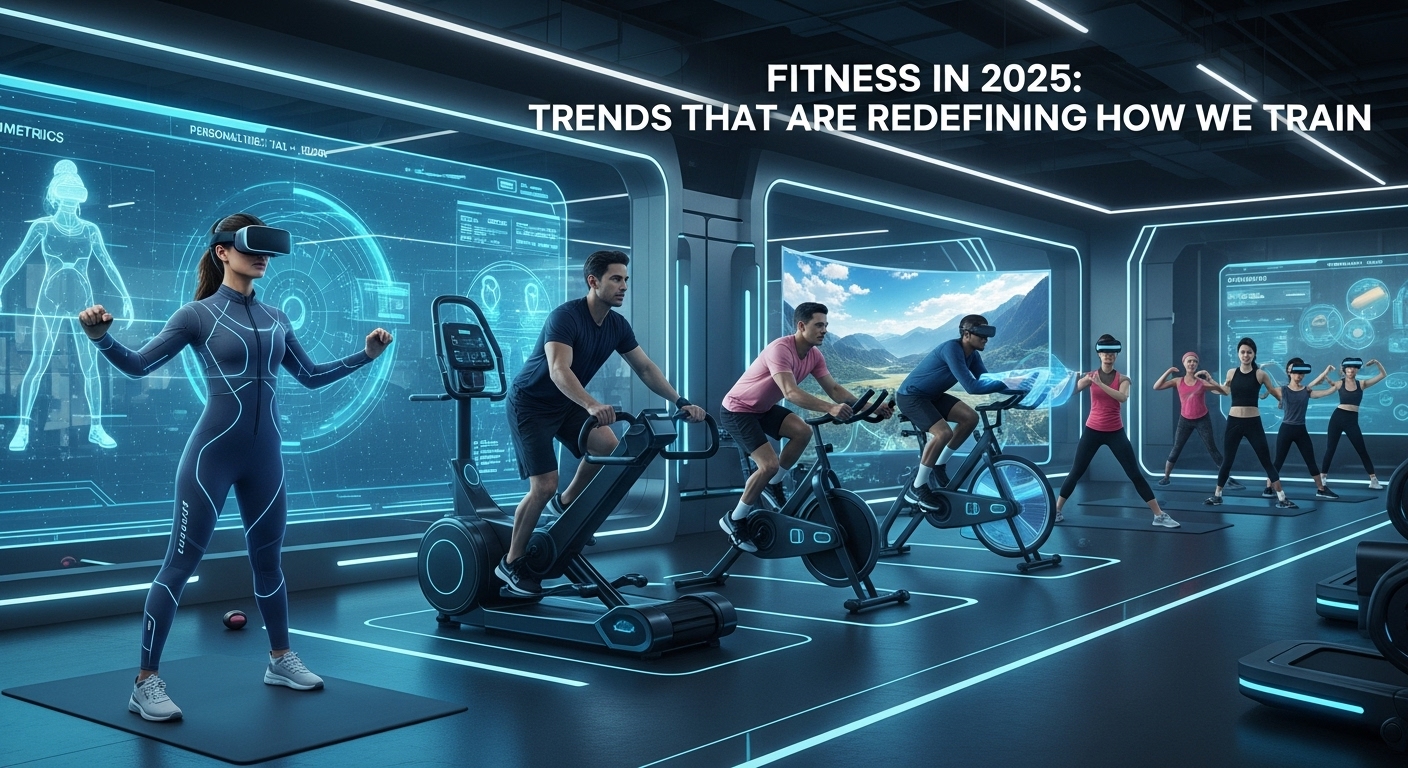
The modern sports landscape has been revolutionized by technology. Advanced analytics, wearable devices, virtual reality training, and artificial intelligence have changed the way athletes prepare and perform. Fans also enjoy a more immersive experience through live streaming, social media engagement, and interactive platforms. Technology enhances accuracy in officiating, reduces injuries, and improves overall performance. Sports science has made it possible to understand biomechanics, nutrition, and recovery in unprecedented detail. As technology continues to evolve, it will further elevate both the competitive and entertainment aspects of sports.
Challenges Facing the World of Sports
Despite its numerous benefits, the world of sports is not without challenges. Issues such as doping, corruption, match-fixing, and unequal access can tarnish the integrity of the game. Gender inequality and lack of resources in certain regions limit participation and growth. The intense pressure to succeed sometimes leads to mental health struggles among athletes. Addressing these challenges requires collective efforts from governing bodies, coaches, players, and fans. Promoting fair play, inclusivity, and ethical practices is essential to preserve the transformative power of sports.
Sports and Global Diplomacy
Sports have historically played a role in diplomacy and international relations. Events like the Olympics and World Cup bring countries together, fostering dialogue and cultural exchange. Sports diplomacy can bridge political divides, promote peace, and encourage collaboration on global issues. Through friendly competition, nations can demonstrate respect, mutual understanding, and shared values. This aspect of sports highlights their potential to influence society beyond entertainment, contributing to a more connected and harmonious world.
Conclusion: Embracing Sports as a Way of Life
Sports are far more than recreational activities; they are powerful tools for personal growth, social connection, national pride, and global unity. Their influence permeates physical health, mental resilience, education, economic development, and diplomacy. Engaging with sports, whether as a player, coach, or fan, enriches life with valuable lessons and unforgettable experiences. As the world continues to evolve, sports remain a constant reminder of human potential, perseverance, and passion. Embracing sports in daily life allows individuals and communities to flourish, creating a healthier, stronger, and more connected society.