




Introduction: Sports as a Reflection of Humanity
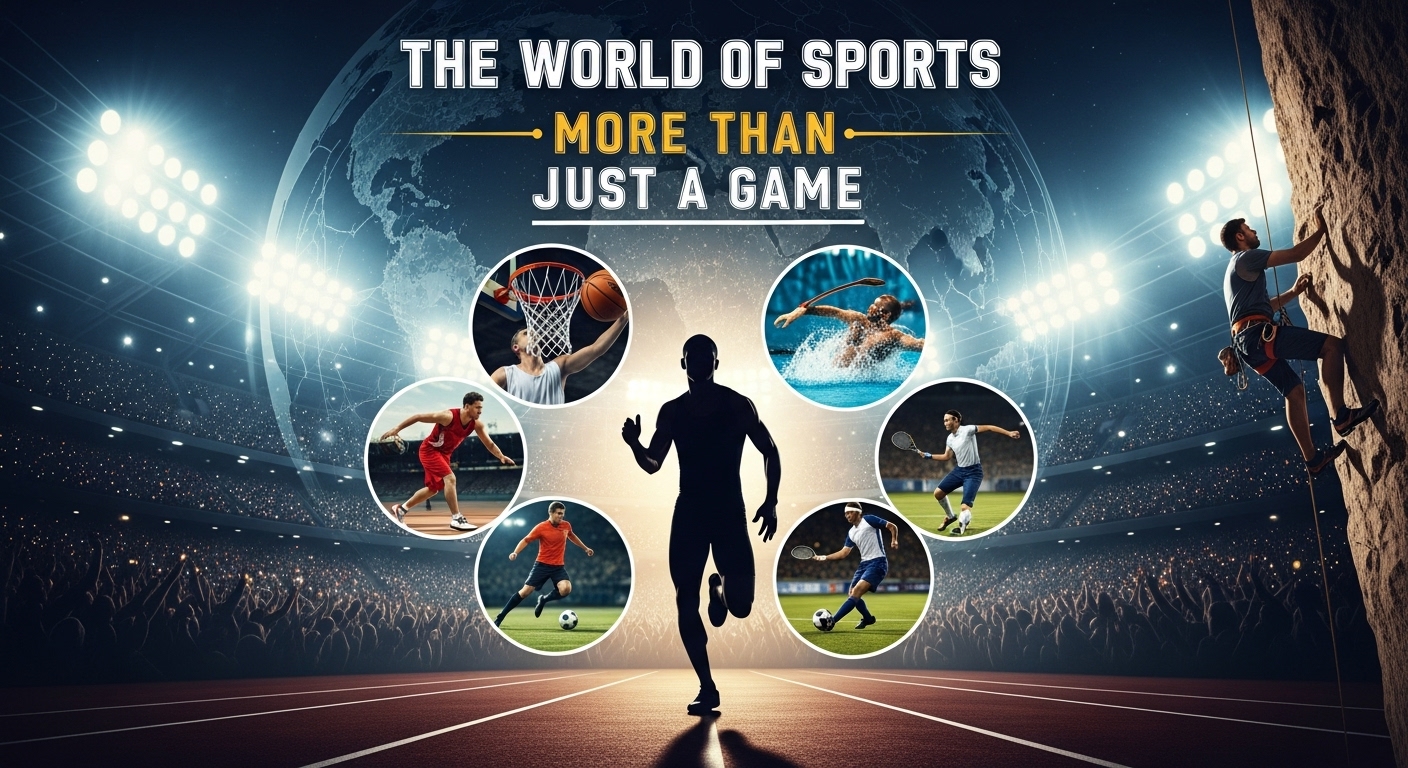
Sports are much more than physical contests or entertainment. They are a reflection of human passion, resilience, and creativity. Across the globe, sports serve as a universal language that unites people regardless of age, culture, or background. From children playing in a neighborhood park to professional athletes performing on the world stage, sports influence lives in profound ways. They teach discipline, promote health, inspire teamwork, and foster determination. This blog explores the multifaceted role of sports in personal growth, society, and culture.
A Historical Perspective on Sports
The history of sports stretches back thousands of years. Ancient civilizations like Greece, China, and Egypt recognized the importance of physical activity for health, skill, and social cohesion. The Olympic Games, first held in ancient Greece, exemplified the human fascination with competition and excellence. Over centuries, sports have evolved from informal contests to organized competitions with structured rules, teams, and leagues. Modern sports are deeply integrated into education, media, and community life, demonstrating their enduring significance in human society.
Why We Love Sports: The Psychology of Competition
One reason sports remain so popular is their emotional impact. Humans are naturally drawn to challenge, achievement, and unpredictability, all of which sports provide. Fans experience joy in victories, disappointment in losses, and shared excitement with fellow supporters. Sports offer a sense of identity, as individuals associate themselves with teams or athletes. This emotional connection fosters community, inspires personal ambition, and allows people to engage with human struggles and triumphs in a meaningful way.
Physical Benefits of Playing Sports
Participation in sports provides numerous physical advantages. Regular activity improves cardiovascular health, strengthens muscles, enhances flexibility, and boosts overall endurance. Different sports target different abilities: swimming increases lung capacity, gymnastics improves balance, and running enhances stamina. Beyond physical fitness, sports help prevent lifestyle-related illnesses such as obesity, diabetes, and heart disease. Engaging in sports also promotes long-term health habits, encouraging individuals to remain active throughout their lives.
Mental Health and Emotional Wellbeing
Sports are equally important for mental and emotional health. Physical activity stimulates the release of endorphins, reducing stress and improving mood. Engaging in sports also develops discipline, focus, and resilience, teaching individuals to handle pressure and overcome setbacks. For many people, sports provide a therapeutic outlet—a structured way to channel energy and emotions. Regular participation in sports improves confidence, reduces anxiety, and encourages a positive mindset.
Teamwork and Collaboration: Life Skills on the Field
Team sports teach one of life’s most essential skills: collaboration. In games like football, basketball, and volleyball, success depends on effective communication, trust, and cooperation. Players learn to understand each other’s strengths, strategize collectively, and support one another through challenges. These lessons extend beyond sports, enhancing professional relationships, social interactions, and community engagement. Teamwork in sports exemplifies how collective effort often surpasses individual achievement.
Leadership Development Through Sports
Sports also cultivate leadership skills. Captains and experienced athletes often take on roles requiring motivation, strategy, and decision-making. Leading a team involves inspiring confidence, managing conflict, and maintaining focus under pressure. These abilities are transferable to personal, academic, and professional environments. Many successful leaders attribute their resilience, strategic thinking, and ability to motivate others to experiences gained in sports, highlighting the lasting influence of athletic participation.
The Cultural Significance of Sports
Sports reflect cultural identity and values. Many nations celebrate specific sports as part of their heritage, creating a sense of pride and tradition. Local sports foster community cohesion, while international competitions promote cultural exchange and mutual respect. Sporting events become platforms for storytelling, celebrating human achievement and national identity. Through sports, people express themselves, connect across differences, and share a collective experience that strengthens cultural bonds.
Women in Sports: Breaking Barriers
Women have historically faced obstacles in sports, but their presence and achievements continue to grow. Female athletes now compete at elite levels, demonstrating skill, resilience, and leadership. Encouraging girls to participate in sports builds confidence and challenges gender stereotypes. Today, women’s sports are gaining recognition globally, inspiring future generations and promoting equality. Progress in this area highlights the transformative power of sports in shaping social norms and empowering individuals.
Technology and the Modern Sports Experience
Technology has revolutionized sports in multiple ways. Performance tracking, advanced training tools, and wearable devices allow athletes to enhance skills and prevent injuries. Video-assisted refereeing and instant replay systems ensure fairness and accuracy. Fans also benefit, accessing real-time statistics, interactive experiences, and virtual viewing options. Technology enriches sports by improving performance, engagement, and accessibility, making the games more exciting and inclusive for everyone involved.
Youth Sports: Building Character and Skills
Youth sports provide lifelong benefits. Children who engage in sports develop physical fitness, motor skills, and social competencies. Team sports teach communication, empathy, and cooperation, while individual sports foster discipline, focus, and self-reliance. Encouraging fun and personal growth rather than only competition ensures young athletes enjoy the experience. Youth sports create a foundation for healthy habits, confidence, and resilience, shaping well-rounded individuals prepared for life’s challenges.
Sports as a Platform for Social Change
Athletes and sports organizations have the power to influence society positively. Many use their visibility to advocate for social issues, including education, equality, and community development. Sports programs in underprivileged areas provide opportunities for mentorship, skill development, and personal growth. Participation in sports can break cycles of disadvantage, instilling discipline, ambition, and hope. Beyond entertainment, sports serve as a powerful tool for fostering social responsibility and transformative impact.
Global Sporting Events: Uniting the World
International sports tournaments captivate millions and create shared experiences across cultures. Events like world championships, continental games, and professional leagues celebrate human skill, determination, and teamwork. These gatherings inspire spectators, encourage athletic excellence, and foster global unity. Major sporting events also contribute to economic development, infrastructure growth, and tourism, showcasing sports as a force that can shape nations while celebrating human achievement.
The Future of Sports
The future of sports promises innovation, inclusivity, and growth. Esports and virtual competitions are gaining recognition, redefining athletic engagement. Advances in sports science continue to enhance performance, safety, and recovery. Inclusive sports programs for athletes with disabilities are expanding, promoting accessibility and equal opportunity. Sustainability is increasingly a priority, influencing stadium design, event management, and environmental practices. The evolution of sports will continue to blend tradition with innovation, ensuring participation, engagement, and excellence for generations to come.
Conclusion: Sports as a Lifelong Influence
Sports are more than games; they are a transformative force in human life. They promote physical and mental health, teach essential life skills, inspire leadership, and foster community and cultural identity. Sports encourage resilience, discipline, and teamwork while empowering individuals to overcome challenges and pursue excellence. From casual participation to elite competition, sports leave an indelible mark on lives and societies. Their power to unite, inspire, and transform ensures that sports will remain a vital part of human experience for generations to come.