




Sports have been a fundamental part of human civilization for centuries. They are more than just games; they are a reflection of society, a tool for personal growth, and a source of entertainment and inspiration. From the ancient Olympic Games to modern-day global tournaments, sports have evolved alongside human culture, shaping identities, communities, and values. This blog explores the multifaceted world of sports, examining its history, social and cultural impact, health benefits, challenges, and future prospects.
The Origins and Evolution of Sports
The roots of sports trace back to ancient civilizations. People in early societies engaged in physical competitions to showcase strength, agility, and skill. Ancient Greece hosted the original Olympic Games, celebrating athletic excellence and promoting unity among city-states. Similarly, traditional games in Africa, Asia, and the Americas were often tied to cultural rituals, storytelling, and community bonding.
Over centuries, sports became more organized. Standardized rules, structured competitions, and national leagues emerged, allowing for fair play and consistent recognition of skill. Technological advancements in transportation and communication enabled international tournaments, bringing athletes and fans from diverse regions together. Today, sports encompass a wide range of activities, including individual pursuits like tennis, gymnastics, and athletics, as well as team games such as football, basketball, and cricket.
Sports as a Social Connector
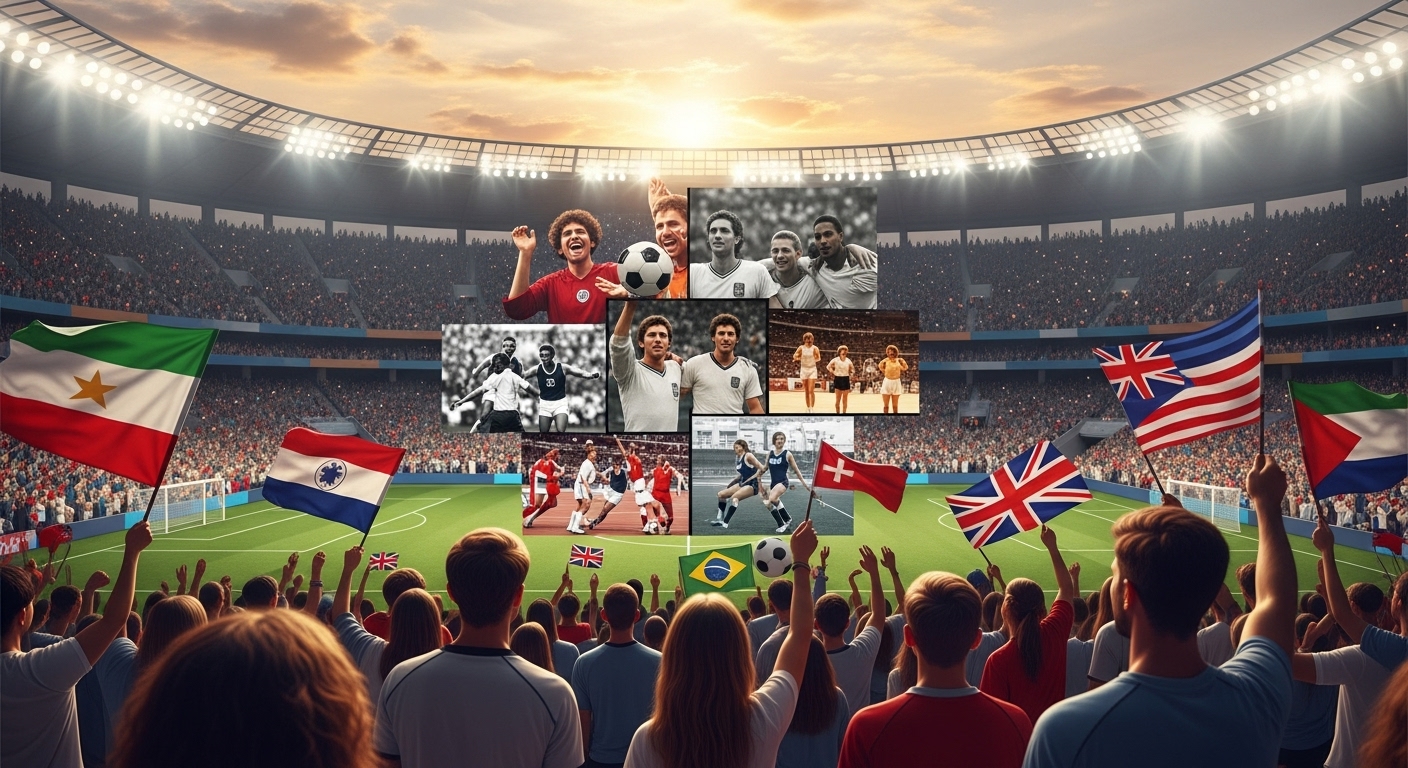
One of the most powerful aspects of sports is their ability to connect people. Fans unite in support of teams or athletes, creating a sense of belonging and community. Stadiums and arenas become hubs of collective celebration, while television and digital platforms allow millions to experience events in real time.
Sports also bridge social, cultural, and economic divides. International tournaments like the World Cup and the Olympics foster diplomacy and global understanding. Local leagues, school competitions, and community sports initiatives encourage engagement, volunteerism, and collaboration among diverse groups of people.
Physical Benefits of Sports
The physical benefits of sports are widely recognized. Regular participation improves cardiovascular health, strengthens muscles and bones, enhances flexibility, and promotes overall fitness. Engaging in sports helps prevent obesity, reduces the risk of chronic diseases, and encourages healthy lifestyle habits.
Sports also improve coordination, agility, reflexes, and endurance. Athletes learn the importance of consistent training, proper nutrition, and rest, lessons that extend beyond sports into daily life. The discipline developed through athletic routines often translates into better time management, goal-setting, and perseverance.
Mental and Emotional Benefits
Sports are equally valuable for mental and emotional well-being. Participation reduces stress and anxiety, boosts mood, and encourages social interaction. The challenges of competition help individuals develop resilience, strategic thinking, and problem-solving skills.
Team sports foster collaboration, leadership, and communication, teaching athletes how to work toward shared goals. Individual sports build self-discipline, concentration, and confidence. Learning to cope with victories and defeats cultivates emotional maturity and perspective, essential life skills that extend beyond the playing field.
Sports in Education
Sports play a significant role in education. Schools and universities incorporate athletic programs to promote holistic development, combining physical activity with academic growth. Participation teaches students leadership, teamwork, and dedication while fostering a sense of fair play and sportsmanship.
Collegiate sports also create opportunities for scholarships and professional careers. Talented athletes can pursue higher education while developing their sporting abilities. Sports programs in educational institutions emphasize character building, personal responsibility, and life skills that prepare students for challenges beyond academics.
Cultural Significance of Sports
Sports have always been a reflection of culture. Iconic events, teams, and athletes become symbols of national pride and identity. Cricket in India, football in Brazil, and sumo wrestling in Japan are more than sports—they are integral to cultural heritage and social life.
Sports also influence media, entertainment, and fashion. Films, documentaries, and literature celebrate historic victories and legendary athletes, inspiring new generations. Merchandise, branding, and sponsorships further embed sports into daily life, making them a key element of cultural and economic systems.
Economic Impact of Sports
Sports contribute significantly to the global economy. Professional leagues, tournaments, and international events generate revenue through ticket sales, sponsorships, broadcasting rights, and merchandise. Hosting major sporting events stimulates tourism, infrastructure development, and employment opportunities.
The sports industry offers diverse career paths beyond athletes, including coaches, sports analysts, journalists, physiotherapists, event organizers, and marketing specialists. Sports drive innovation in technology, media, and business, demonstrating their importance as a multifaceted economic engine.
Challenges in Modern Sports
Despite the benefits, sports face numerous challenges. Injuries, overtraining, and physical strain can hinder athletes’ careers and health. Mental health concerns, including stress, performance anxiety, and burnout, are increasingly recognized and addressed by professional organizations.
Equity and inclusivity remain pressing issues. Gender disparities, limited access to facilities, and socio-economic barriers can restrict participation. Efforts to create inclusive programs and policies are essential to ensure that sports remain accessible to all, regardless of background, gender, or ability.
Technology and Innovation in Sports
Technology has transformed sports across all levels. Advanced equipment, wearable devices, and performance analytics enhance training and reduce injury risks. Video replay systems, goal-line technology, and instant feedback improve fairness and officiating accuracy.
Digital platforms and streaming services have expanded the audience for sports, enabling fans to follow live events from anywhere. Virtual reality and augmented reality are opening new avenues for immersive experiences, allowing athletes to simulate training scenarios and spectators to engage with events in innovative ways.
Sports as a Platform for Social Change
Sports have historically been a vehicle for social change. Athletes have used their platforms to advocate for equality, environmental awareness, and humanitarian causes. Iconic moments in sports history have challenged racial, gender, and cultural barriers, promoting social inclusion and justice.
Community programs and grassroots initiatives leverage sports to address social issues, educate youth, and build cohesion. Sports inspire collective action and demonstrate the power of shared effort, influencing society beyond the playing field.
The Future of Sports
The future of sports is dynamic and promising. Innovations in technology, training methods, and fan engagement are redefining how sports are played and experienced. Digital integration, esports collaborations, and interactive viewing platforms are expanding the scope and accessibility of sports entertainment.
Sustainability, athlete wellness, and inclusivity will continue to shape policies and practices in the industry. Sports will remain a platform for excellence, creativity, and cultural expression, reflecting societal values and fostering global connections.
Conclusion: The Enduring Power of Sports
Sports are far more than games—they are a reflection of human potential, culture, and community. They inspire passion, teach discipline, foster resilience, and unite people across boundaries. From local competitions to international championships, sports enrich lives in countless ways, promoting physical health, mental well-being, and social cohesion.
As society continues to evolve, sports will remain central to entertainment, education, and culture. They celebrate human achievement, creativity, and determination, proving that the excitement of the game extends far beyond the field. Sports are a testament to the enduring spirit of humanity, offering joy, inspiration, and connection for generations to come.