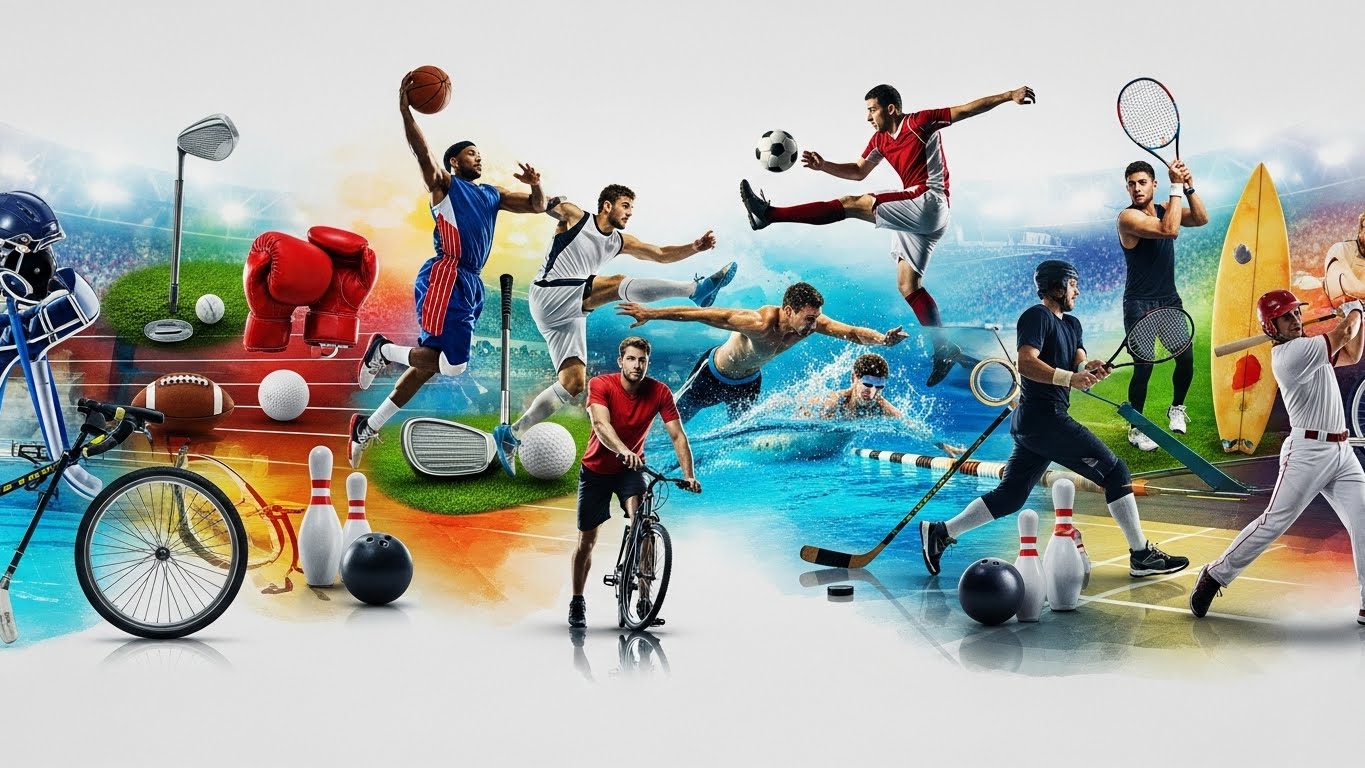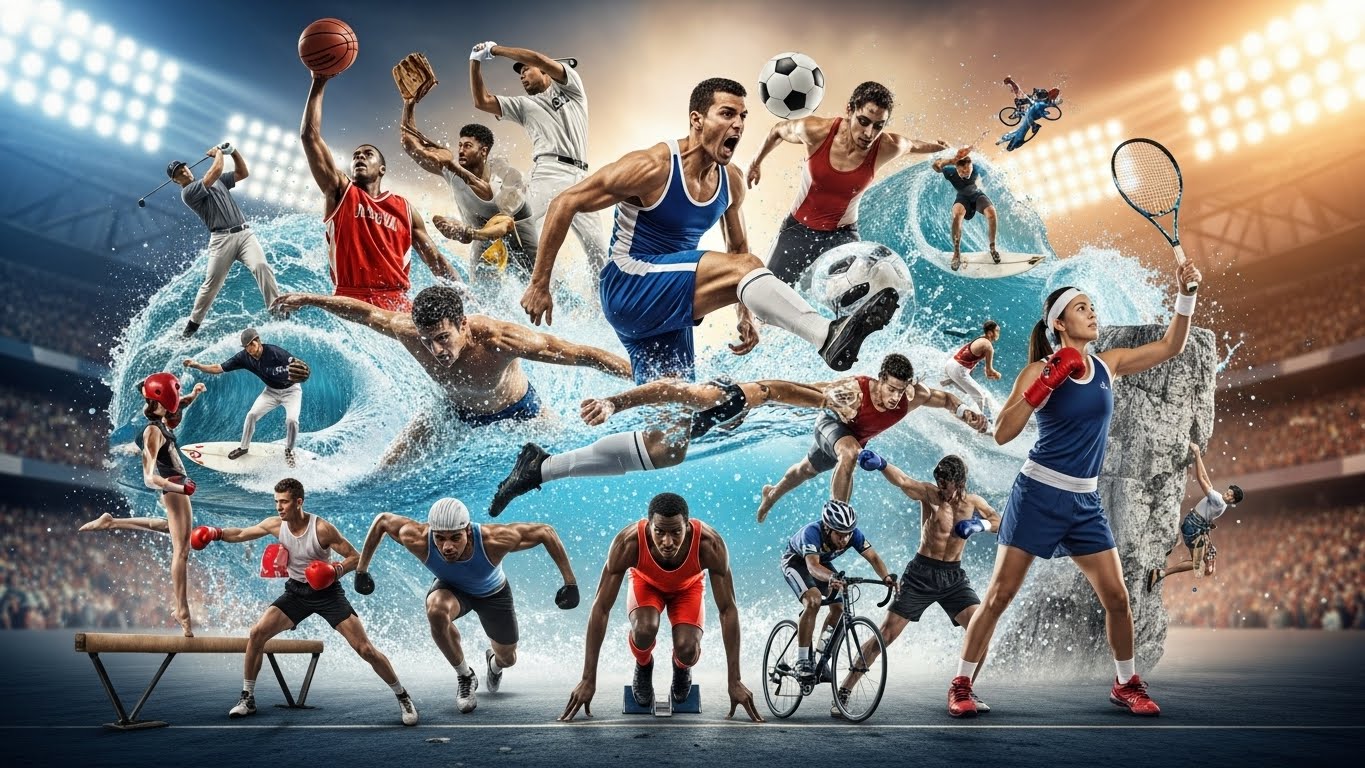






Sports have always been an intrinsic part of human civilization, serving as both a form of entertainment and a reflection of human potential. From the earliest recorded games to the global spectacles of today, sports have captivated societies across the world. They are more than just physical contests—they are a testament to discipline, strategy, perseverance, and passion. In this blog, we will explore the multifaceted nature of sports, their history, cultural significance, evolution, and the impact they have on both athletes and fans.
The Origins of Sports
The history of sports dates back thousands of years. Ancient civilizations, from Mesopotamia to Greece, developed structured competitions to test physical abilities, foster community, and entertain spectators. Wrestling, running, and chariot racing were popular forms in ancient times, serving both ritualistic and recreational purposes.
The Greeks, in particular, elevated sports to a sacred level. The Olympic Games, which began in 776 BCE, were not only a showcase of athletic prowess but also a means of honoring the gods. These games introduced formalized rules, competitions across multiple disciplines, and the idea of rewarding winners with glory and honor.
Similarly, other cultures developed their own sporting traditions. In ancient China, martial arts and archery were both physical and spiritual exercises, while in Mesoamerica, ball games had ceremonial significance. The universality of sports throughout history demonstrates its deep-rooted appeal and significance in human society.
The Evolution of Modern Sports
Modern sports, as we know them today, began to take shape in the 19th and 20th centuries. Industrialization and urbanization played significant roles in transforming sports from informal recreational activities to organized professional competitions. Football, cricket, and baseball, for instance, evolved standardized rules that allowed teams from different regions to compete on equal footing.
The creation of international competitions also contributed to the growth of modern sports. The revival of the Olympic Games in 1896 marked a turning point, emphasizing international camaraderie and competition. Football (soccer) leagues expanded globally, cricket spread to colonies, and basketball and tennis gained widespread popularity in the 20th century.
Technology and media further accelerated this evolution. Televised broadcasts brought sports into living rooms around the world, while advancements in training techniques, equipment, and medical care enhanced athlete performance. Today, sports are not only a form of entertainment but also a global industry generating billions of dollars annually.
The Physical and Mental Benefits of Sports
Engaging in sports provides a wealth of physical and mental benefits. Physically, regular participation strengthens muscles, improves cardiovascular health, enhances flexibility, and boosts overall fitness. Sports also encourage the development of motor skills, hand-eye coordination, and reflexes.
Mentally, sports teach discipline, perseverance, and strategic thinking. Athletes learn to manage stress, handle pressure, and maintain focus under challenging circumstances. The resilience developed on the field often translates to life beyond sports, helping individuals overcome obstacles and pursue their goals with determination.
Team sports, in particular, foster collaboration, communication, and leadership skills. Players learn to trust one another, coordinate strategies, and navigate interpersonal dynamics, all of which are invaluable in professional and personal settings. Individual sports, on the other hand, emphasize self-motivation, self-awareness, and accountability.
Sports as a Cultural Phenomenon
Sports are deeply embedded in culture and society. They serve as a reflection of collective identity, national pride, and social values. Iconic events, such as the FIFA World Cup or the Olympic Games, unite millions of people across the globe, transcending language, religion, and political boundaries.
In many countries, sports heroes are revered as cultural icons. Their achievements inspire generations, create shared narratives, and symbolize the potential of human excellence. Legends like Muhammad Ali, Pelé, Serena Williams, and Usain Bolt have become household names, not just for their athletic ability, but for their impact on society and culture.
Moreover, sports influence fashion, language, and media. Team jerseys, slogans, and rituals become part of daily life, while commentary and analysis shape public discourse. Sporting events also contribute to local economies, tourism, and community development, demonstrating their multifaceted importance.
The Psychology of Competition
The competitive aspect of sports is what often drives athletes and captivates spectators. The thrill of victory, the agony of defeat, and the unpredictability of outcomes create a psychological landscape that is both intense and compelling.
Competition encourages athletes to push beyond their limits, striving for continuous improvement. It also fosters strategic thinking, adaptability, and emotional regulation. Understanding opponents, anticipating moves, and making split-second decisions are critical in achieving success.
For spectators, watching competition can evoke powerful emotions—excitement, joy, anxiety, and pride. Fans often develop deep emotional connections with teams or athletes, experiencing vicarious triumphs and disappointments. This shared emotional journey strengthens communal bonds and creates a sense of belonging.
The Role of Sports in Education
Sports play a significant role in education, contributing to the holistic development of students. Participation in school or college sports programs teaches discipline, time management, and teamwork. It also promotes physical health, mental well-being, and social skills.
Beyond the individual level, sports in education foster inclusivity and community engagement. Inter-school or inter-college competitions create opportunities for collaboration, cultural exchange, and mutual respect. Many educational institutions recognize the value of sports in shaping character and often integrate athletic programs alongside academic curricula.
Scholarship opportunities in sports also open doors for talented individuals to pursue higher education while continuing their athletic careers. This dual emphasis on academics and athletics exemplifies the balance that sports can bring to personal development.
Women in Sports: Breaking Barriers
Historically, women faced significant barriers to participation in sports, ranging from societal norms to lack of opportunities and resources. However, over the past century, women have made remarkable strides in sports, challenging stereotypes and establishing themselves as formidable competitors.
Athletes like Billie Jean King, Nadia Comăneci, and Simone Biles have not only achieved exceptional success but have also advocated for gender equality in sports. Today, women participate in virtually every sport, from football and basketball to cricket and mixed martial arts.
The rise of women’s sports leagues, international tournaments, and media coverage has increased visibility and recognition. This progress not only inspires young girls but also reshapes cultural perceptions of gender roles in sports and society at large.
The Intersection of Technology and Sports
Technology has transformed sports in unprecedented ways. Advanced equipment, performance tracking systems, and wearable devices enhance athlete training and injury prevention. Video analysis, AI-based strategy planning, and real-time data analytics enable coaches to optimize performance and develop game plans with precision.
Broadcasting technology also revolutionizes fan engagement. High-definition cameras, instant replays, and interactive platforms allow fans to experience sports like never before. Virtual reality, augmented reality, and online streaming bring global audiences closer to the action, breaking geographical barriers.
E-sports, a digital evolution of traditional sports, has emerged as a major phenomenon, combining gaming, competition, and technology. It attracts millions of players and spectators, further broadening the definition of what constitutes a sport.
Sportsmanship and Ethics
Sportsmanship is a fundamental principle that underpins the integrity and fairness of sports. Respect for opponents, adherence to rules, and gracious behavior in victory or defeat define true sportsmanship. It reflects the ethical and moral values that sports aim to instill in participants and fans alike.
Ethical considerations also extend to issues such as doping, corruption, and match-fixing. Maintaining transparency and fairness is essential to preserving the credibility of sports. Regulatory bodies, anti-doping agencies, and fair-play initiatives work to uphold these standards and ensure a level playing field for all participants.
Sports and Social Change
Sports have the power to drive social change and address pressing societal issues. They can promote inclusivity, diversity, and social justice. Initiatives that use sports as a tool for community development, education, and empowerment have proven highly effective.
For instance, programs that encourage underprivileged youth to participate in sports foster confidence, discipline, and life skills. Sports campaigns advocating equality and anti-discrimination raise awareness and challenge systemic biases. The global visibility of sports allows messages of unity, tolerance, and humanitarian values to reach wide audiences.
The Future of Sports
The future of sports promises exciting developments. Innovations in technology, analytics, and training methods will continue to enhance athlete performance and fan experiences. Globalization and cultural exchange will further diversify the sporting landscape, introducing new disciplines and styles.
Sustainability will also become increasingly important. Sports organizations are focusing on eco-friendly practices, reducing carbon footprints, and promoting environmental awareness. Inclusivity and accessibility will remain central, ensuring that sports are available to all, regardless of gender, ability, or socioeconomic background.
The rise of hybrid sports and e-sports demonstrates the evolving nature of competition. Blending physical and digital realms, these developments create opportunities for creativity, engagement, and global connectivity. The essence of sports—passion, dedication, and the pursuit of excellence—will endure, adapting to the needs and aspirations of future generations.
Conclusion
Sports are far more than games. They are a reflection of human resilience, creativity, and community. They transcend borders, inspire generations, and embody the timeless quest for excellence. From ancient rituals to modern global spectacles, sports have consistently captured the human imagination and shaped societies in profound ways.
Through physical exertion, mental discipline, cultural significance, and social impact, sports enrich our lives. They teach us lessons about perseverance, fairness, and collaboration. They unite people in celebration and shared emotion, fostering connections that extend beyond the confines of stadiums and playing fields.
As we look ahead, sports will continue to evolve, driven by technology, globalization, and the unwavering human spirit. Yet, their core essence—the joy of movement, the thrill of competition, and the pursuit of greatness—will remain unchanged. In celebrating sports, we celebrate not just athletic achievement, but the enduring spirit of humanity itself.