





Introduction: The Universal Language of Sports
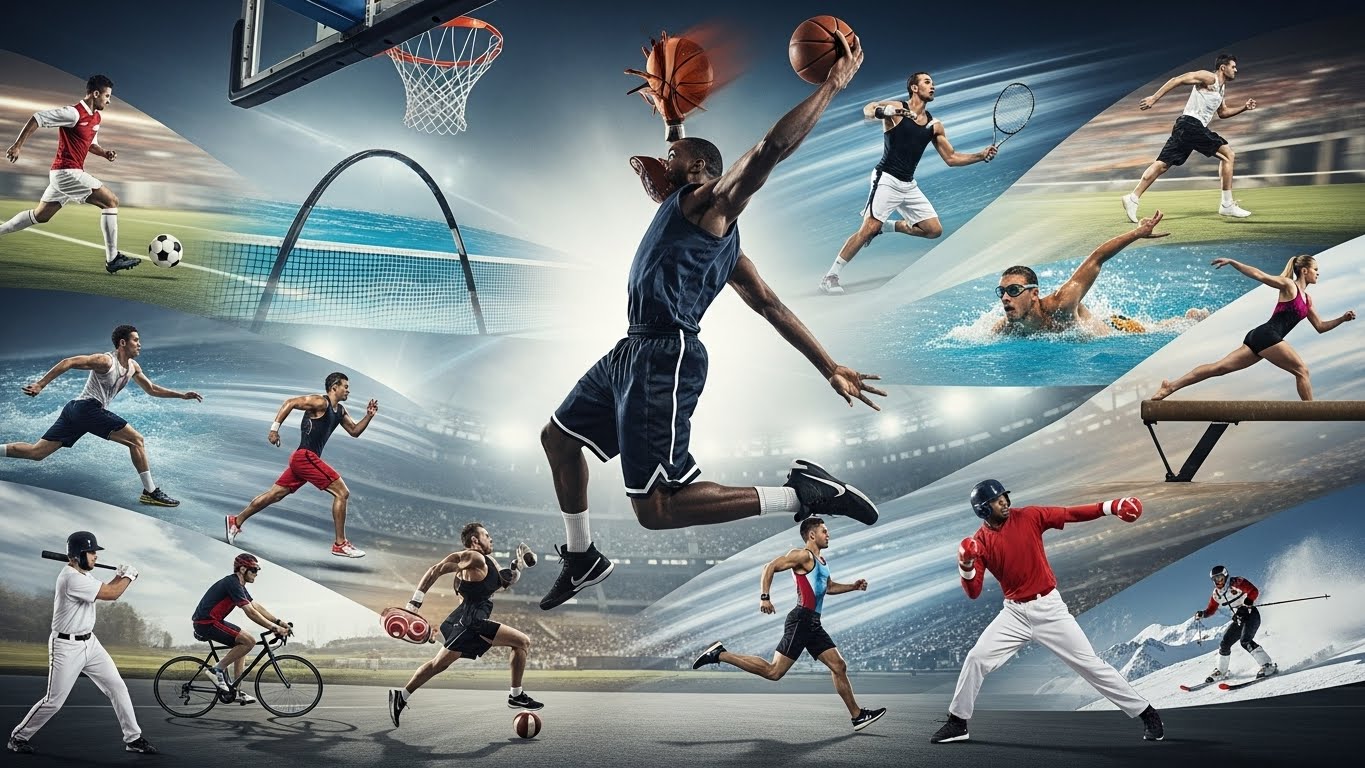
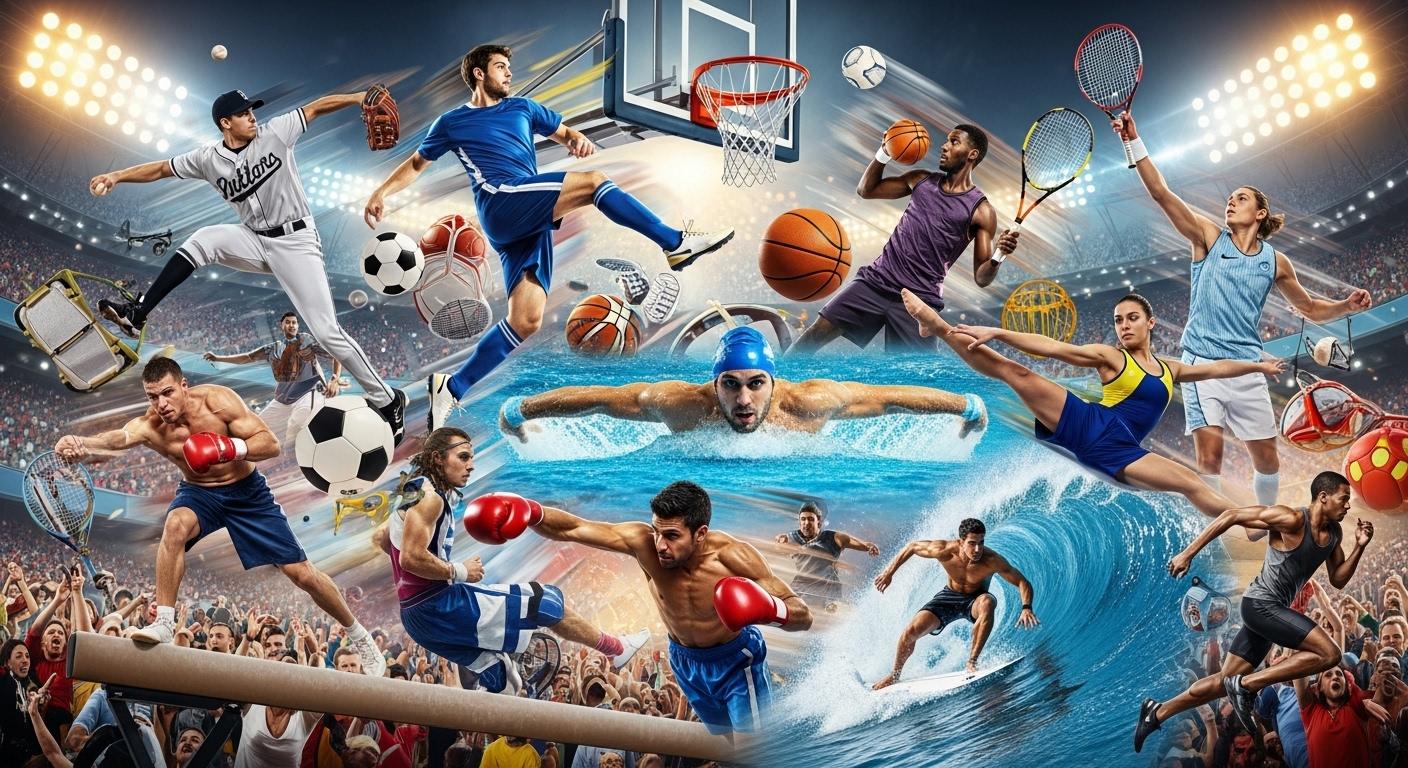
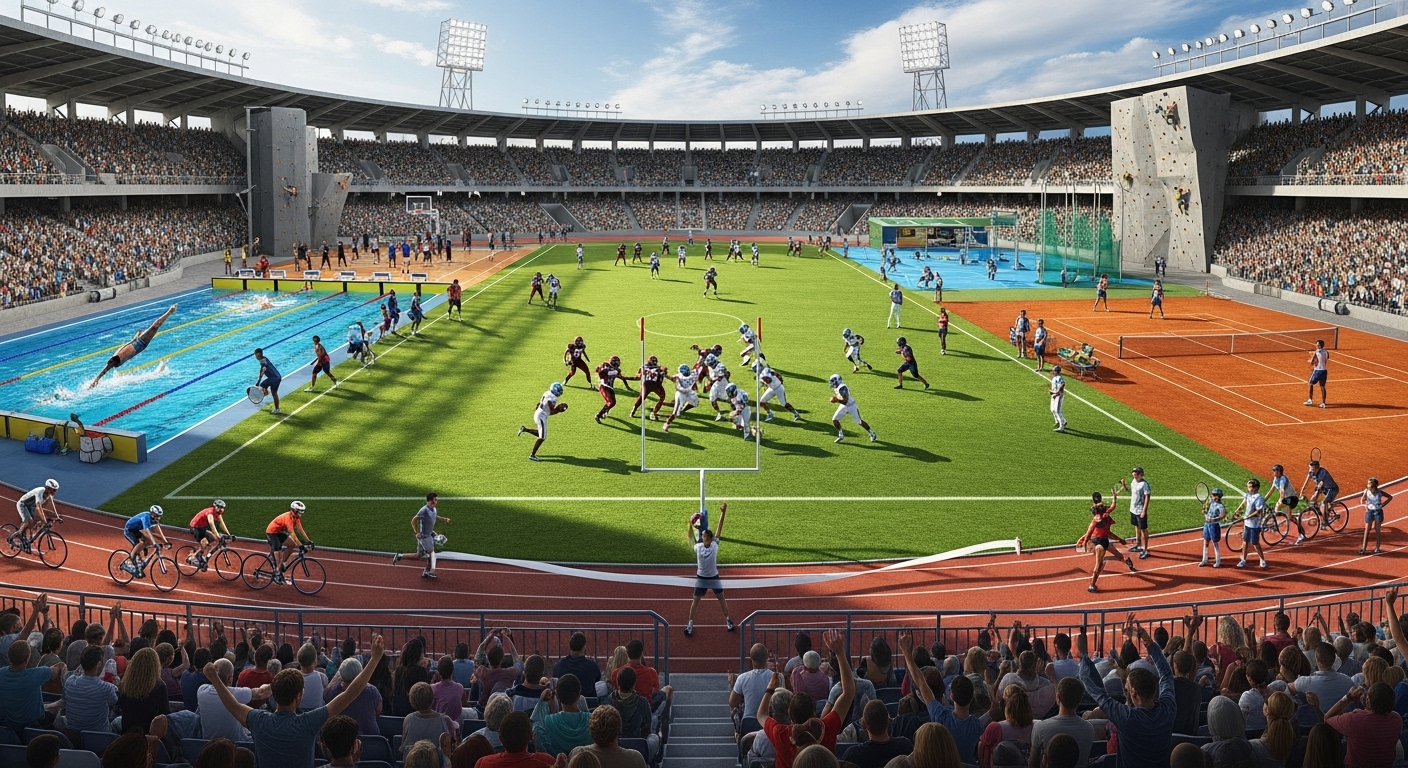
Sports are more than games. They are the heartbeat of humanity, pulsing through generations, transcending borders, languages, and cultures. Whether played in the dusty streets of small villages or the grand stadiums packed with tens of thousands of roaring fans, sports have an extraordinary ability to unite people. They symbolize discipline, dedication, and the relentless pursuit of excellence. From the rhythmic clatter of a basketball on pavement to the electrifying energy of the World Cup final, sports embody emotion, ambition, and the purest form of competition.
The beauty of sports lies in their universality. Every country, every community, and nearly every individual has a connection to them in some form. Sports can bring tears of joy, moments of heartbreak, and lifelong memories. They shape identities, drive economies, and influence cultures. This blog explores the incredible world of sports — their history, impact, evolution, and why they continue to hold such a powerful place in human society.
The Historical Roots of Sports
The origins of sports stretch back to ancient civilizations, where physical contests were a way of demonstrating strength, skill, and honor. In ancient Greece, sports were closely tied to religion and philosophy, leading to the birth of the Olympic Games in 776 BC. These games were not just competitions; they were celebrations of the human body and spirit. Events like wrestling, chariot racing, and discus throwing were more than mere pastimes — they were a testament to human potential and divine favor.
Meanwhile, in ancient China, sports such as martial arts and cuju (an early form of soccer) were part of daily life, combining physical training with discipline and mental focus. The Mayan and Aztec civilizations of Central America had their own ball games, often played with ritual significance, symbolizing the struggle between life and death. Across the world, indigenous tribes engaged in wrestling, running, and hunting-based competitions that honed their survival skills while building community bonds.
As civilizations evolved, sports began to serve new purposes. During medieval times, European knights participated in jousting tournaments to display their courage and skill in combat. In Japan, the art of sumo wrestling became deeply embedded in cultural and spiritual traditions. By the 19th century, sports were undergoing a global transformation — codified rules, organized leagues, and the rise of modern games like soccer, cricket, and baseball began to shape the modern sporting landscape.
The Modern Era: Sports as a Global Phenomenon
The 20th century saw sports transition from local entertainment to a global industry. The establishment of international competitions like the Olympic Games and the FIFA World Cup brought nations together under one banner of competition and respect. Athletes became heroes, their performances immortalized in history. Jesse Owens, breaking barriers at the 1936 Olympics, became a symbol of human equality. Muhammad Ali, with his unmatched charisma and courage, transcended boxing to become a voice for justice and humanity. Sports were no longer just physical contests; they were platforms for expression, change, and unity.
Television revolutionized sports in the mid-20th century. Fans could now watch their favorite teams and athletes from home, creating a new wave of sports culture. Stadiums filled with chants and songs, while living rooms echoed with cheers and debates. The commercialization of sports followed naturally, with endorsements, sponsorships, and broadcast rights transforming athletes into global icons. Today, sports are not only a form of recreation but also a major contributor to the global economy.
The Emotional Power of Sports
One of the most profound aspects of sports is their emotional resonance. A last-minute goal, a photo-finish race, a comeback victory — these moments ignite feelings of euphoria and heartbreak that linger long after the game ends. Fans invest not only their time and money but also their emotions and identities. Supporting a team or an athlete becomes part of who they are. The collective roar of a crowd when a team scores, the silence after a heartbreaking loss, or the tears of victory on an athlete’s face are shared experiences that remind us of our humanity.
Sports provide stories of resilience and redemption. Think of athletes who rise from humble beginnings, defy the odds, and achieve greatness. Their journeys inspire millions. Sports mirror life itself — full of struggle, triumph, defeat, and renewal. Every victory represents hours of unseen hard work, every loss a lesson in humility. For fans, these narratives create deep emotional connections, reminding us that greatness often comes through perseverance and pain.
The Social Impact of Sports
Sports are a powerful force for social change. Throughout history, they have challenged stereotypes, broken down barriers, and united communities. When Jackie Robinson broke baseball’s color barrier in 1947, he did more than play a game — he opened doors for racial integration and equality. When the South African rugby team won the 1995 World Cup, it symbolized the dawn of unity in a country healing from apartheid. Sports have repeatedly proven that they can be instruments of peace and understanding, even in times of division.
Moreover, sports provide opportunities for empowerment, especially among youth. They teach teamwork, leadership, and discipline. In underprivileged areas, sports often serve as a lifeline — a way to escape poverty, violence, or despair. Community sports programs encourage inclusivity, promoting health and social cohesion. In schools, participation in sports develops character and resilience, nurturing values that last a lifetime.
In recent decades, female athletes have also transformed the sports landscape. From Billie Jean King’s fight for gender equality in tennis to the dominance of Serena Williams and the global success of women’s soccer, sports have become a platform for gender empowerment. The growing visibility and recognition of women in sports continue to inspire new generations of athletes.
The Business and Economics of Sports
Today, sports are one of the largest industries in the world, generating billions of dollars annually. The commercialization of sports has led to massive investments in infrastructure, marketing, and broadcasting. Stadiums have become architectural marvels, while sportswear companies design technologically advanced gear for optimal performance. Major leagues like the NBA, Premier League, and NFL command global audiences, with teams valued in the billions.
Sponsorship deals and endorsements have elevated athletes to celebrity status. Global brands align themselves with sports figures to reach massive audiences. The business side of sports has created jobs, boosted tourism, and stimulated local economies. Hosting major events like the Olympics or World Cup often leads to significant economic growth, though not without controversy regarding cost and sustainability.
However, this commercial success comes with challenges. The influence of money can sometimes overshadow the spirit of fair play. Issues like corruption, doping scandals, and exploitation remind us that the balance between passion and profit must be carefully maintained. Nonetheless, when managed ethically, the sports industry remains a cornerstone of entertainment and innovation.
The Science and Technology Behind Sports
Modern sports are a blend of art and science. Advances in technology have revolutionized how athletes train, compete, and recover. From data analytics that track player performance to wearable devices that monitor heart rates and movement, science has deepened our understanding of human potential. Sports medicine and nutrition play a crucial role in extending athletic careers and enhancing performance safely.
Biomechanics helps athletes refine their movements for maximum efficiency. Artificial intelligence assists in strategy and game analysis. Virtual reality and simulation-based training allow athletes to prepare mentally and physically without risk of injury. Even fan experiences have been transformed by technology, with instant replays, virtual engagement, and interactive broadcasts making sports more immersive than ever.
At the same time, ethical debates have emerged. The line between natural talent and technological enhancement is often blurred. Should performance-boosting technologies be regulated? How much assistance from data is too much? These questions highlight the evolving relationship between human ability and innovation in sports.
The Role of Media and Pop Culture in Sports
The relationship between sports and media is symbiotic. Media amplifies sports’ reach, while sports drive viewership and cultural influence. The rise of social media has given athletes direct communication channels with their fans, transforming them into influencers beyond their athletic achievements. Highlights, memes, and live updates circulate instantly, making sports a 24/7 global conversation.
Sports movies, documentaries, and biographies also contribute to their mythos. Films like Rocky, Remember the Titans, and The Blind Side portray the emotional and moral dimensions of competition. They inspire audiences by showcasing the universal themes of struggle, courage, and victory. Sports personalities have become icons not just for their achievements but also for their values, charisma, and activism.
Pop culture and fashion have also been influenced by sports. Jerseys, sneakers, and athletic apparel are now everyday fashion statements. The line between athlete and celebrity has blurred, making sports an integral part of global lifestyle trends.
The Future of Sports: Innovation, Inclusion, and Sustainability
As we look to the future, sports continue to evolve in remarkable ways. Esports, or competitive video gaming, has become a legitimate global industry, attracting millions of players and spectators. The definition of an “athlete” is expanding, challenging traditional perceptions of physical competition. Virtual and augmented reality are creating new forms of fan engagement, and artificial intelligence is helping teams make smarter tactical decisions.
Inclusion and diversity will continue to shape the future of sports. The push for equal pay, representation, and accessibility for athletes with disabilities is gaining momentum. The Paralympic Games, for example, have redefined the meaning of strength and perseverance. Sports organizations are increasingly embracing initiatives to make participation possible for everyone, regardless of gender, ability, or background.
Sustainability is another key focus area. With large-scale events often generating significant environmental impact, many organizations are adopting eco-friendly practices — from building energy-efficient venues to promoting green transportation. The future of sports must balance passion and progress with responsibility toward the planet.
The Psychological Dimensions of Sports
Beyond physical strength, sports are a test of mental fortitude. The psychology of performance is a crucial component of success. Athletes must manage pressure, maintain focus, and overcome self-doubt. The mental battles that unfold in the minds of competitors are often as challenging as the physical contests themselves.
Sports psychology helps athletes develop mental resilience, visualize success, and recover from failure. Concepts like mindfulness, confidence, and motivation are as vital as technique or strategy. The acknowledgment of mental health in sports is one of the most positive changes in recent years. Athletes like Simone Biles and Naomi Osaka have bravely spoken about the importance of mental well-being, encouraging open conversations and dismantling stigmas.
The psychological lessons from sports extend beyond the field. They teach us about coping with stress, setting goals, and finding purpose. The mental strength cultivated through sports applies to all areas of life, reinforcing the idea that true victory begins within.
The Cultural and Political Influence of Sports
Sports and politics have often intersected, sometimes in controversy, sometimes in solidarity. Athletes have used their platforms to protest injustice, advocate for peace, and demand equality. The raised fists of Tommie Smith and John Carlos at the 1968 Olympics, the boycott of apartheid-era South Africa, and the global kneeling movement against racial discrimination are powerful reminders of the role sports can play in shaping social consciousness.
Cultural identity is also deeply tied to sports. National pride swells during global tournaments, and victories become symbols of unity. In many countries, sports heroes are national treasures, representing not only skill but also collective hope and resilience. The Olympics’ motto — “Faster, Higher, Stronger — Together” — captures the essence of this shared human experience.
Sports diplomacy, too, has played a part in easing tensions between nations. Events like “ping-pong diplomacy” between the United States and China in the 1970s demonstrated that sports can build bridges where politics alone cannot.
Why Sports Will Always Matter
At their core, sports remind us of what it means to be human. They test our limits, ignite our passions, and connect us to something greater than ourselves. Whether we are participants or spectators, we find joy, hope, and belonging in them. In an increasingly digital and divided world, sports remain one of the few arenas where collective emotion thrives unfiltered — where a goal, a shot, or a run can make millions rise in unison.
Sports teach us life’s most important lessons: teamwork, humility, courage, and perseverance. They remind us that success is not always about winning, but about striving, learning, and growing. They show that defeat can build character and that triumph is sweetest when earned through hard work and integrity.
Conclusion: The Endless Game of the Human Spirit
Sports are far more than entertainment; they are reflections of the human journey. Every athlete’s story is a mirror of our shared dreams and struggles. Every game is a chapter in the endless book of human aspiration. From the dust fields of local playgrounds to the illuminated arenas of world championships, sports continue to define our cultures, shape our identities, and remind us of the beauty of effort and unity.
As long as humanity exists, so will the spirit of competition — not for dominance, but for discovery. Sports will always be our global stage, where we learn that limits are illusions and that, through courage and connection, we can achieve the extraordinary. The power of sports lies not just in the game itself but in the hearts of those who play, watch, and believe.