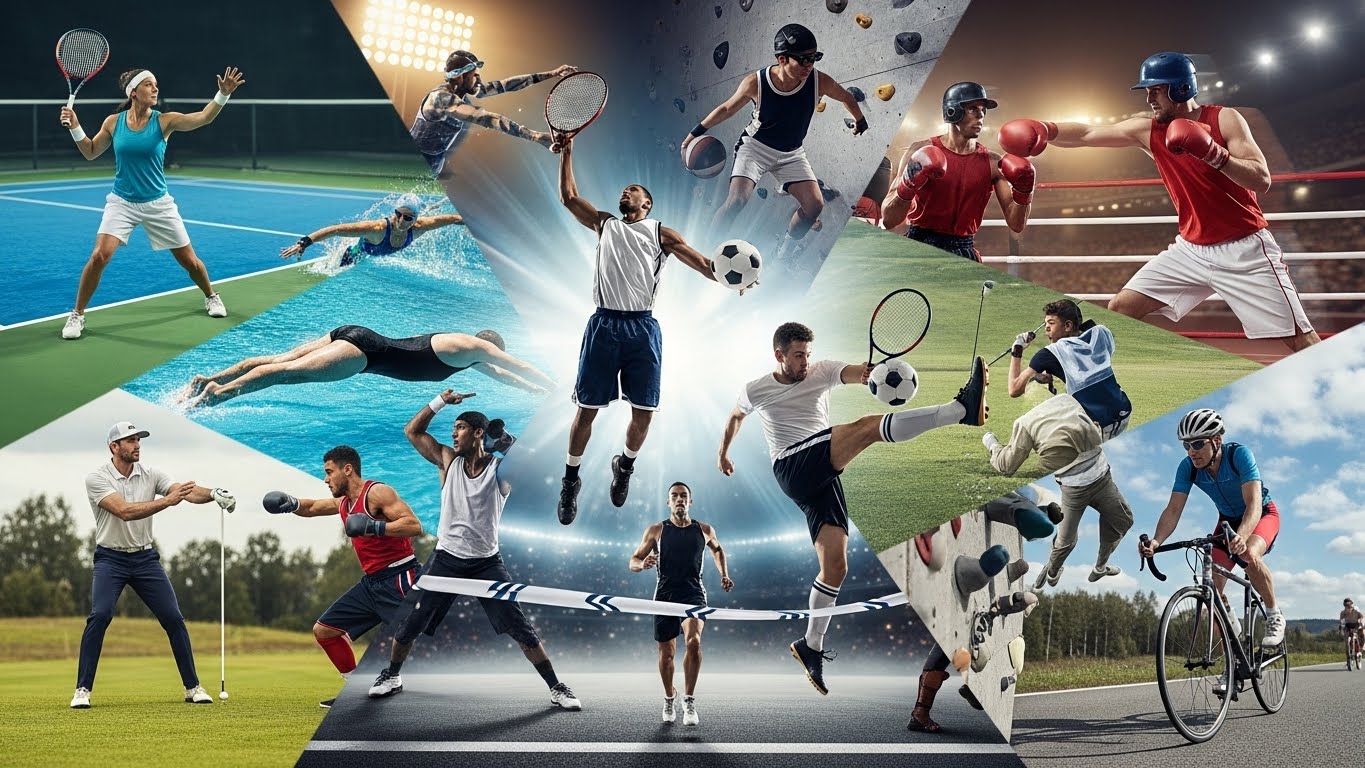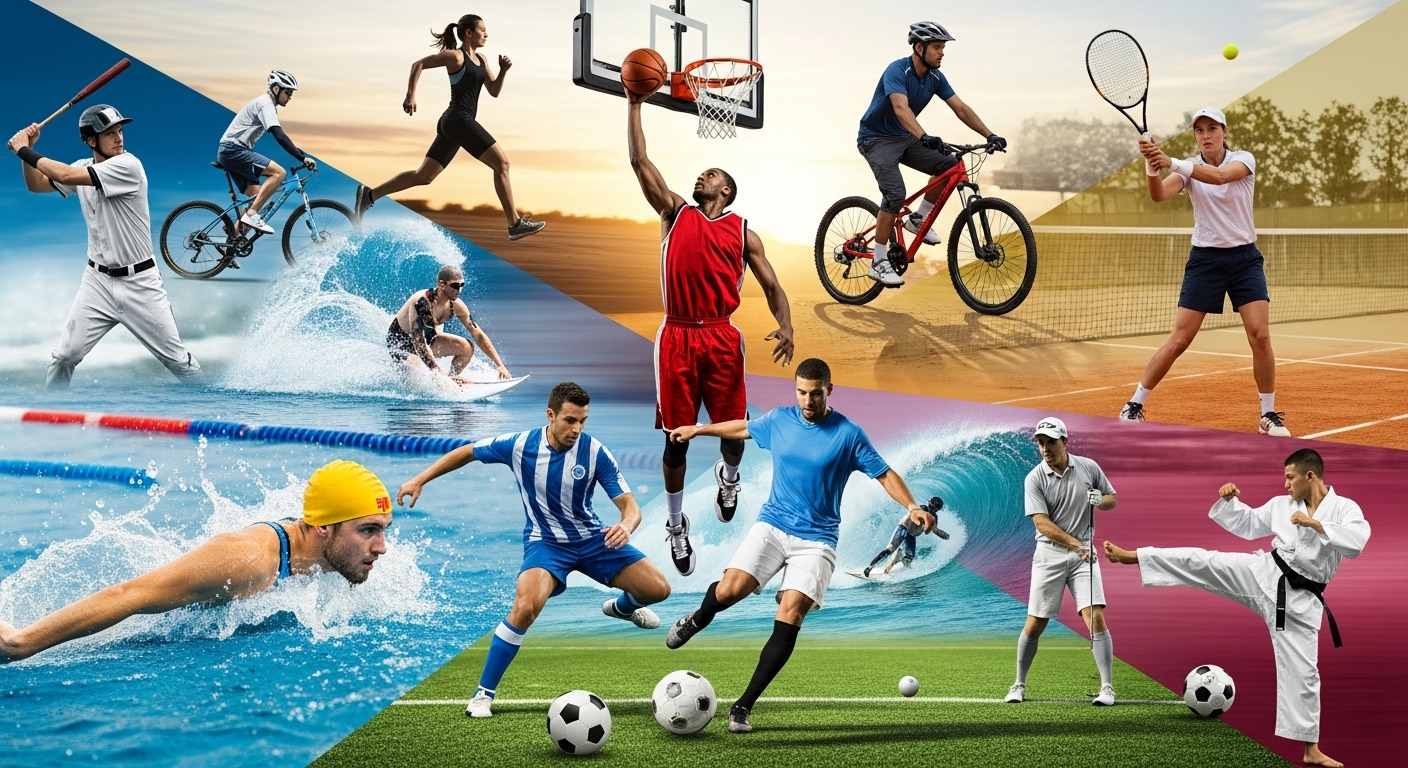





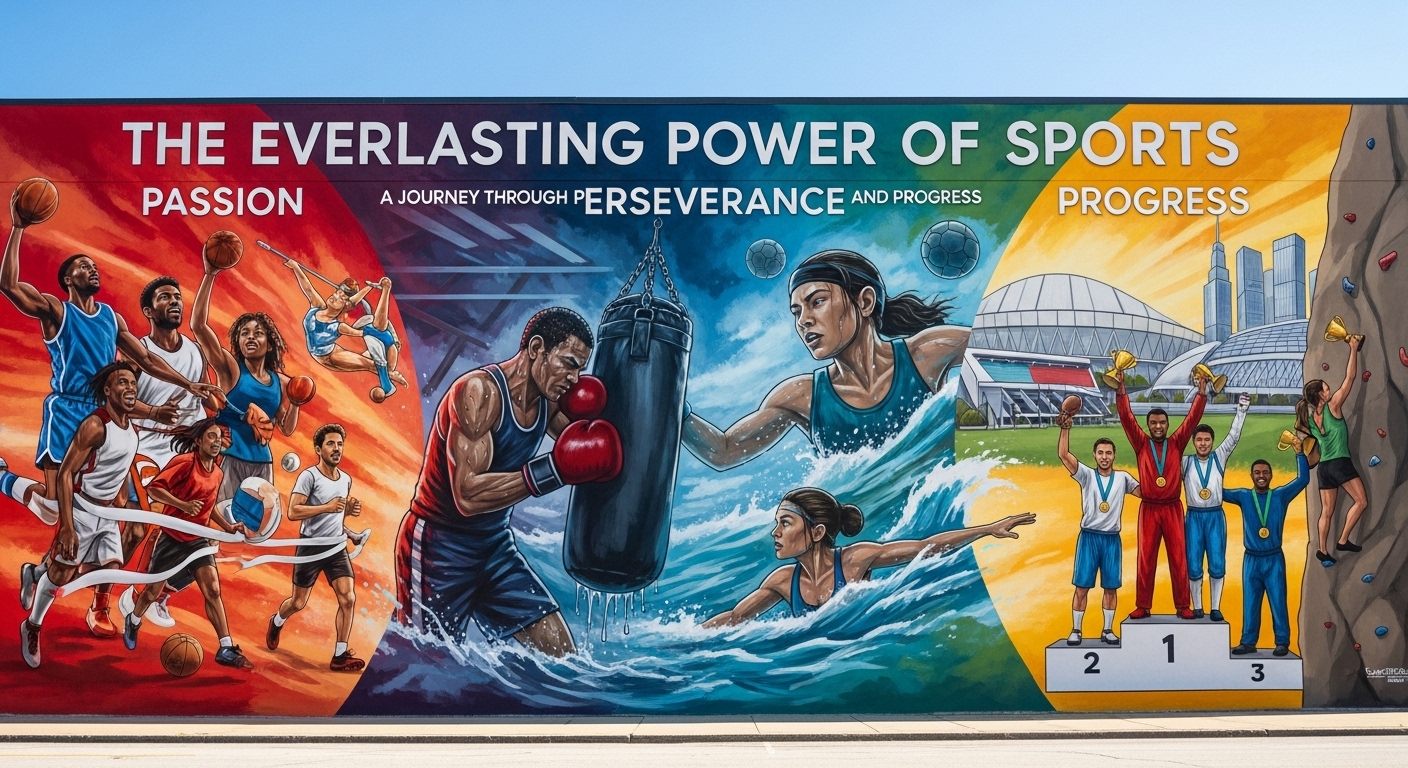
Sports are not merely games or physical activities; they represent one of the most powerful expressions of human spirit, discipline, and unity. Across the world, from small villages to giant cities, from amateur playgrounds to world-class stadiums, sports hold a unique place in our lives. They bridge cultural gaps, promote health, and inspire generations to push their limits. This blog explores the multifaceted world of sports — its history, values, evolution, and how it continues to shape the world we live in today.
The Origins and Evolution of Sports
The concept of sports is as old as civilization itself. Ancient societies engaged in physical contests not just for entertainment but also as preparation for survival and warfare. In Egypt, drawings on ancient tombs show scenes of wrestling, swimming, and archery. The Greeks took it to another level, creating the Olympic Games in 776 BC, an event that celebrated both athletic excellence and unity among city-states.
Over time, sports evolved from local traditions into organized competitions. Medieval knights held jousting tournaments, while villagers played rudimentary ball games. The industrial revolution of the 18th and 19th centuries gave rise to formal sporting organizations and codified rules. This was the era when sports like football, cricket, baseball, and tennis were structured into the versions we know today.
Modern technology has since expanded the boundaries of sports even further. From global broadcasts to advanced training tools, every aspect of athletics has been refined to enhance performance and entertainment value. The journey from ancient games to international mega-events like the FIFA World Cup and the Olympics showcases how deeply sports have been intertwined with human progress.
The Physical and Mental Benefits of Sports
Sports have always been synonymous with physical fitness. Regular participation improves cardiovascular health, muscle strength, and coordination. But beyond the physical gains, sports profoundly influence mental well-being. They teach patience, build confidence, and reduce stress through the release of endorphins.
Engaging in sports helps individuals develop crucial life skills. Discipline, teamwork, perseverance, and focus are just a few of the lessons athletes carry into their personal and professional lives. Children who play sports often grow up with better time management skills and stronger social connections.
Moreover, sports serve as a natural therapy for anxiety and depression. The sense of achievement from setting and reaching goals — even small ones — gives athletes a strong sense of self-worth. Whether it’s running a marathon or mastering a yoga pose, sports remind us of our potential and resilience.
The Role of Sports in Building Character
Sports reveal character in ways few other experiences can. When faced with defeat, frustration, or competition, athletes show who they truly are. Winning gracefully and losing honorably are both lessons that define maturity and integrity.
Great athletes are often admired not just for their skills but for their values. Figures like Muhammad Ali, Serena Williams, Lionel Messi, and Roger Federer have become global icons because they embody determination, humility, and respect. Through sports, people learn the importance of fairness, empathy, and persistence.
In team sports especially, cooperation becomes the cornerstone of success. No matter how talented an individual player may be, true victory often requires unity. Learning to trust teammates and sacrifice personal glory for collective achievement builds lasting bonds and strengthens one’s moral fiber.
The Global Impact of Sports
Sports are one of the few forces capable of uniting people across political, cultural, and social divides. International events like the Olympics or the FIFA World Cup bring together nations in celebration of shared humanity. During these tournaments, rivalries give way to respect, and competition fosters camaraderie.
Sports diplomacy has also played an important role in easing tensions between nations. The famous “ping-pong diplomacy” between the United States and China in the 1970s helped open doors to improved relations. Similarly, cricket matches between India and Pakistan often carry deeper symbolic significance beyond the game itself.
Moreover, global sports platforms amplify social causes. Many athletes use their fame to advocate for equality, environmental protection, and education. Sports foundations and charities worldwide raise millions to support underprivileged youth, promote health, and foster community development.
The Rise of Women in Sports
The role of women in sports has evolved dramatically over the past century. Once sidelined by social norms, women have fought hard to earn their place on the field. Icons like Billie Jean King, Mia Hamm, Simone Biles, and Naomi Osaka have shown the world that athletic excellence knows no gender.
The introduction of women’s categories in global events and leagues has transformed the sports landscape. Today, women’s football, tennis, and athletics draw millions of viewers, and female athletes are finally receiving the recognition and sponsorships they deserve.
Women’s participation in sports also carries broader cultural significance. It challenges stereotypes, empowers future generations, and promotes equality. By breaking barriers, female athletes inspire both men and women to embrace fairness and inclusion in all walks of life.
Technology and the Modernization of Sports
The integration of technology into sports has revolutionized training, performance, and entertainment. High-speed cameras, wearable sensors, and data analytics have become essential tools for athletes and coaches. These innovations help track progress, prevent injuries, and fine-tune techniques.
Virtual reality and artificial intelligence are also reshaping the way fans experience sports. Spectators can now enjoy immersive viewing experiences, replay key moments in slow motion, and analyze player statistics in real time. For athletes, technology has opened new avenues of preparation, allowing them to simulate match situations and train under controlled conditions.
Even officiating has benefited from technology. The use of VAR in football, Hawkeye in tennis, and DRS in cricket ensures fair play and minimizes human error. As innovation continues, the boundary between the physical and digital aspects of sports becomes ever more seamless.
The Economics of Sports
Sports are no longer just a pastime; they are a multibillion-dollar industry. From sponsorship deals and broadcasting rights to merchandising and ticket sales, the economic ripple of sports is vast. Major events like the Super Bowl, the Olympics, and the FIFA World Cup generate significant revenue for host nations, boosting tourism and infrastructure development.
Sports clubs and organizations now operate like businesses, with brand management, marketing strategies, and global fan engagement driving their success. Athletes themselves have become brands, earning through endorsements and personal ventures.
However, commercialization also brings challenges. Overemphasis on profit sometimes overshadows the spirit of the game. Balancing business interests with integrity remains one of the key concerns in modern sports management.
The Influence of Sports on Youth Development
For young people, sports offer a healthy outlet for energy and creativity. School and community programs teach children not only how to play but also how to lead, cooperate, and overcome setbacks. Youth sports encourage inclusivity and provide a sense of belonging.
Participation in sports reduces the likelihood of engaging in negative behaviors and fosters discipline from an early age. Many education systems have recognized this and made physical education a core part of their curriculum.
Additionally, youth sports serve as the foundation for professional careers. Many of today’s greatest athletes began their journey in local clubs and school teams. With proper guidance and support, sports can open doors to scholarships, professional opportunities, and lifelong success.
Challenges in Modern Sports
Despite its many benefits, the world of sports is not without its flaws. Issues such as doping, corruption, match-fixing, and exploitation of athletes continue to challenge the credibility of competitions. The pressure to win at all costs can sometimes lead athletes to make unethical choices or suffer from mental health struggles.
Furthermore, the commercialization of sports can create inequality between rich and poor nations or clubs. Wealthier teams can afford better facilities and training, often leaving smaller competitors behind. Gender pay gaps and lack of representation for minority groups are additional problems that require ongoing attention.
However, the resilience of sports lies in its ability to adapt and reform. Awareness campaigns, fair play initiatives, and strong leadership can restore balance and ensure that the true spirit of competition prevails.
The Emotional Power of Sports
Few things in the world evoke emotion like sports. The excitement of a last-minute goal, the heartbreak of a missed shot, or the pride of seeing one’s country win gold — these moments create lasting memories. Sports bring communities together and give people something to believe in, especially during challenging times.
The stories of athletes overcoming adversity resonate deeply. When a runner crosses the finish line after years of struggle or a team wins against all odds, it reflects the human capacity for perseverance. Fans connect to these narratives because they mirror their own hopes and challenges in life.
In essence, sports are a form of storytelling — one that unfolds through action, sweat, and spirit.
Sports and the Future
The future of sports is full of promise. With advances in technology, medicine, and training methods, athletes will continue to break records and redefine limits. The inclusion of eSports as a legitimate form of competition is reshaping how we perceive athleticism and skill.
Sustainability is also becoming a major focus. Eco-friendly stadiums, reduced carbon footprints, and awareness campaigns show that sports can lead global change in environmental responsibility.
Inclusion and diversity will likely remain at the heart of future sporting trends. As more people from different backgrounds gain access to facilities and opportunities, the world of sports will become even richer and more dynamic.
Conclusion: The Timeless Power of Sports
Sports are far more than games. They are a reflection of human ambition, courage, and community. Whether played for fun, fitness, or fame, sports teach us that success is not measured only by victories but by the spirit with which we strive.
From the dusty fields of local villages to the grand arenas of international glory, sports remind us of one universal truth — that unity, respect, and effort transcend all boundaries. They inspire us to dream bigger, work harder, and believe that no challenge is too great when passion leads the way.
As time moves forward, the spirit of sports will continue to unite humanity, reminding us that every match, every goal, and every triumph tells a story — the story of what it truly means to be human.