




Introduction: The Unseen Influence of Sports
Sports are often seen as a mere pastime, a form of entertainment, or a way to stay fit. However, their true impact stretches far beyond the physical or competitive aspects. From the local fields to the grandest international arenas, sports serve as a universal language, connecting people, shaping communities, and even driving societal change. This blog will delve into the many ways sports influence our world, revealing that they are much more than just games. They are a force that impacts our bodies, minds, relationships, and cultures.
The Role of Sports in Building Physical Health
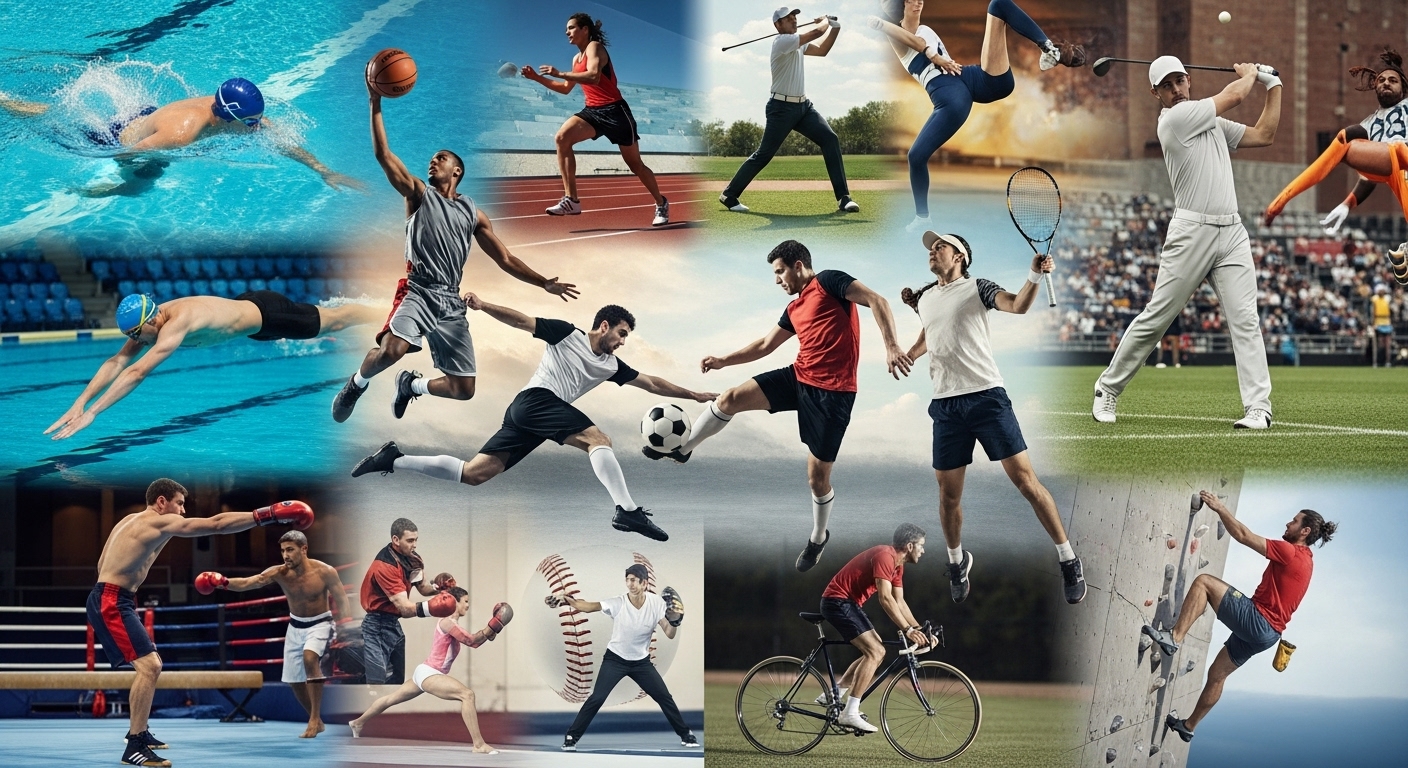
It’s no secret that sports play a pivotal role in maintaining physical health. Whether through individual activities like running, swimming, or cycling, or team sports such as football, basketball, or soccer, physical activity is essential for overall well-being. Regular participation in sports helps improve cardiovascular health, strengthen muscles, and enhance flexibility, all of which contribute to a longer, healthier life.
But beyond just fitness, sports also teach important lessons about the body. Athletes learn the value of proper nutrition, rest, and recovery to perform at their best. The dedication to staying in peak physical condition encourages lifelong habits of self-care, discipline, and attention to one’s health—habits that extend far beyond the playing field.
Mental Health: How Sports Strengthen the Mind
Sports are not only about physical strength but mental resilience. One of the most significant benefits of sports is their impact on mental health. Physical activity triggers the release of endorphins, chemicals in the brain that improve mood and reduce stress. But the benefits of sports go far deeper than just a temporary mood boost.
Sports teach athletes how to manage stress, handle failure, and stay focused under pressure. The discipline and determination required to succeed in sports can help develop mental toughness, enabling individuals to better cope with the challenges of everyday life. Additionally, for those suffering from anxiety or depression, sports can serve as a therapeutic outlet, offering both physical and mental relief.
The mental resilience learned through sports helps players deal with setbacks, overcome obstacles, and persevere in the face of adversity. These experiences build confidence and equip athletes with the tools needed to navigate the ups and downs of life.
The Power of Teamwork and Social Connection
In team sports, athletes quickly learn the importance of collaboration and communication. Success is rarely the result of one individual’s efforts. Instead, it’s the collective strength of the team—working together, supporting one another, and sharing the same goal—that leads to victory. These experiences in sports teach valuable life skills such as teamwork, empathy, and conflict resolution.
In addition to the camaraderie built within a team, sports also create connections within communities. Local leagues, school teams, and recreational sports bring people from all walks of life together, helping to foster friendships and a sense of belonging. Through shared experiences, whether winning or losing, sports allow individuals to form meaningful connections that extend far beyond the playing field.
Sports as a Catalyst for Social Change
Throughout history, sports have been at the forefront of social movements. Athletes have used their platforms to challenge societal norms, advocate for equality, and spark important conversations. The courage of athletes like Muhammad Ali, Jackie Robinson, and Billie Jean King has brought attention to issues such as racial equality, gender discrimination, and civil rights.
Today, athletes continue to use their influence to address global issues. Whether through activism, charity work, or public advocacy, the world of sports serves as a powerful platform for positive change. Athletes are often some of the most visible voices in society, using their popularity to raise awareness on issues ranging from racial injustice to climate change.
The Global Connection: Sports Unite Across Boundaries
Sports are one of the few things that transcend borders and unite people from all walks of life. Whether it’s the Olympics, the World Cup, or local tournaments, sports have a unique ability to bring together individuals from different countries, cultures, and backgrounds. The shared experience of cheering for a team, supporting a cause, or simply celebrating human achievement creates a sense of global solidarity.
In addition to fostering international unity, sports also strengthen communities on a local level. Youth leagues, neighborhood competitions, and school events provide opportunities for people to come together, build friendships, and engage in healthy competition. Through sports, people can connect, learn about each other’s cultures, and find common ground despite their differences.
The Economic Impact of Sports
While sports are often thought of as entertainment, they also have a profound economic impact. From local community leagues to international sporting events, the sports industry generates billions of dollars each year. Stadiums, merchandise sales, ticket revenues, and broadcasting rights contribute to a thriving global market.
In cities that host major events like the Super Bowl, the Olympics, or the FIFA World Cup, the economic benefits can be massive. These events attract tourists, boost local businesses, and create jobs for thousands of people. The ripple effect of sports-related spending can lead to long-term economic growth, improving infrastructure, tourism, and city development.
Conclusion: More Than Just a Game
Sports have a profound and far-reaching impact on society, far beyond what is visible on the surface. They build physical health, nurture mental toughness, foster social connection, and drive cultural and societal change. From the personal growth of athletes to the unifying power of a national team, sports influence every aspect of life, from our physical well-being to our place in the world.
So, the next time you watch a game, participate in a workout, or cheer for your favorite team, remember that sports are not just games. They are opportunities to learn, grow, and connect. The true power of sports lies not in the scoreboard but in the way they shape the hearts, minds, and communities of those who play and those who watch.