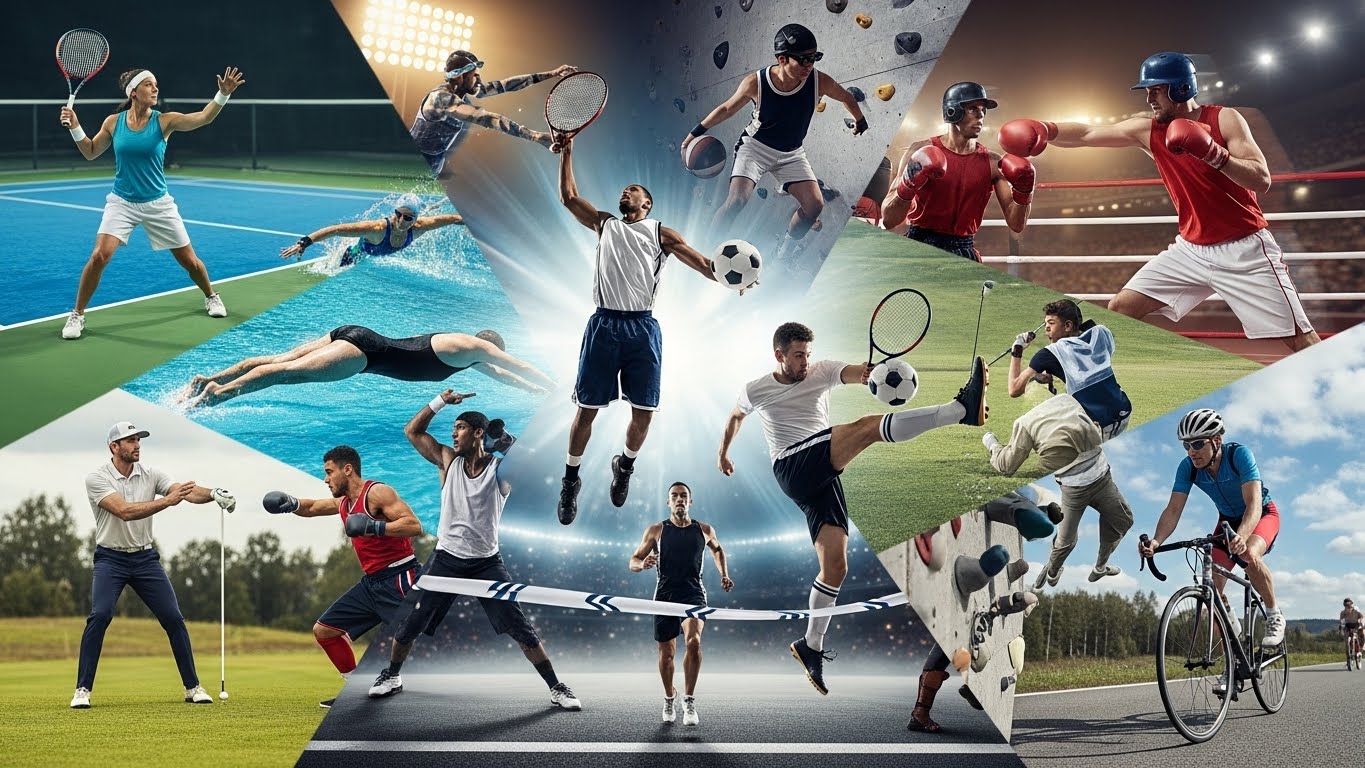






Sports are more than just games played for entertainment or competition. They serve as a universal language, capable of bringing people together, teaching valuable life lessons, and shaping personal growth. Whether played professionally or casually, sports offer a rich experience that goes beyond physical exercise. They touch on emotional resilience, personal discipline, and the bonds that connect communities across the world. In this post, we’ll explore how sports shape lives and why their importance reaches far beyond the playing field.
The Physical and Mental Benefits of Sports
When most people think of sports, they immediately think of physical benefits. Regular participation in sports enhances cardiovascular health, improves muscle strength, and boosts overall physical fitness. But the benefits don’t stop there. Engaging in physical activity also sharpens mental focus and improves cognitive function. Sports offer an outlet for stress, providing a mental break from daily worries and challenges. They teach athletes to manage pressure, think quickly on their feet, and remain calm under stress—skills that are transferable to all areas of life.
Sports help cultivate a mindset that embraces challenge and perseverance, teaching players how to overcome obstacles. In this way, sports are both a tool for physical health and a mental training ground that sharpens resilience and determination.
The Power of Teamwork
One of the greatest lessons sports impart is the value of teamwork. Even in individual sports, athletes often work closely with coaches, mentors, and other professionals who help them refine their skills and stay motivated. However, in team sports, collaboration and cooperation are paramount. In these settings, players must rely on each other’s strengths, communicate effectively, and support each other during both wins and losses.
The spirit of teamwork in sports mirrors many aspects of life. Whether in the workplace, at school, or in personal relationships, understanding the importance of collaboration helps individuals work together to reach common goals. In the heat of a game, teammates learn to trust one another and find solutions to problems that arise on the field. This fosters a sense of camaraderie that extends well beyond the game itself.
Sports as a Teacher of Discipline
Discipline is the cornerstone of success in sports. Athletes are required to put in hours of training, follow strict routines, and remain committed to their goals. This dedication often requires personal sacrifices, such as time away from family, friends, or other interests. Over time, athletes develop a strong sense of self-discipline and the ability to prioritize their goals.
This level of discipline extends beyond the world of sports. The habits and work ethic cultivated through regular training become ingrained in daily life. Whether striving for a promotion at work, studying for an important exam, or managing personal health goals, the discipline learned in sports carries over into every aspect of life.
Building Character Through Wins and Losses
Sports are as much about personal growth as they are about victory or defeat. Each game, whether won or lost, offers an opportunity for reflection. Winning teaches athletes the importance of humility and the need to stay grounded despite success. On the other hand, losing provides a unique opportunity to develop resilience and the drive to keep improving.
Failure in sports is not seen as an end but as a stepping stone to greater achievement. Athletes learn to embrace mistakes, learn from them, and use them as motivation to try harder next time. This attitude fosters a growth mindset, where challenges are viewed as opportunities rather than roadblocks.
The Unifying Power of Sports
Sports have the incredible ability to bring people together. Regardless of background, culture, or language, the shared experience of watching or participating in a sporting event has the power to unite individuals. Whether it’s a local match or an international championship, the excitement of competition creates a sense of community and belonging.
Throughout history, sports have played a crucial role in bringing nations together, overcoming political divides, and inspiring social change. Events like the Olympics serve as a reminder of the common humanity that transcends national borders. The joy of celebration and the collective grief in defeat connect people in ways that words cannot.
Conclusion: Sports as a Catalyst for Change
Sports are not simply physical activities—they are life experiences that shape character, build relationships, and contribute to personal and community growth. Through discipline, teamwork, resilience, and camaraderie, sports offer lessons that extend far beyond the playing field. In a world often divided by differences, sports serve as a powerful reminder of the shared values that unite us all. Whether you’re an athlete or a fan, participating in sports enriches life, offering lessons and memories that last a lifetime.