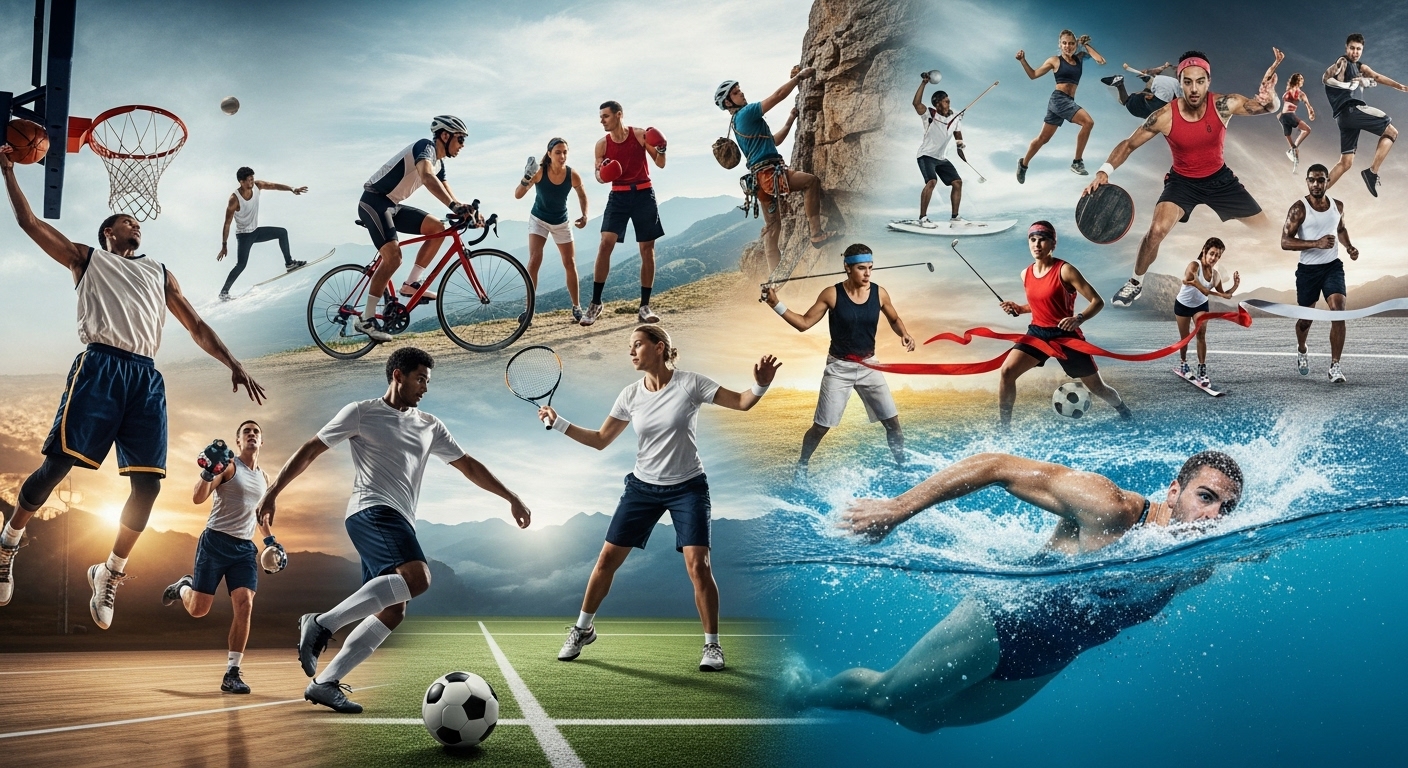






Sports have a way of capturing our attention and stirring our emotions. They have been part of human culture for thousands of years, evolving from simple games and rituals to organized events watched by millions. For some, sports are just a hobby, but for many, they are a way of life. Whether it’s the thrill of competition, the sense of community, or the life lessons learned along the way, the impact of sports extends far beyond the playing field. In this blog post, we will explore the various dimensions of sports, from their physical and mental benefits to their role in fostering community and promoting social change.
The Universal Language of Sports
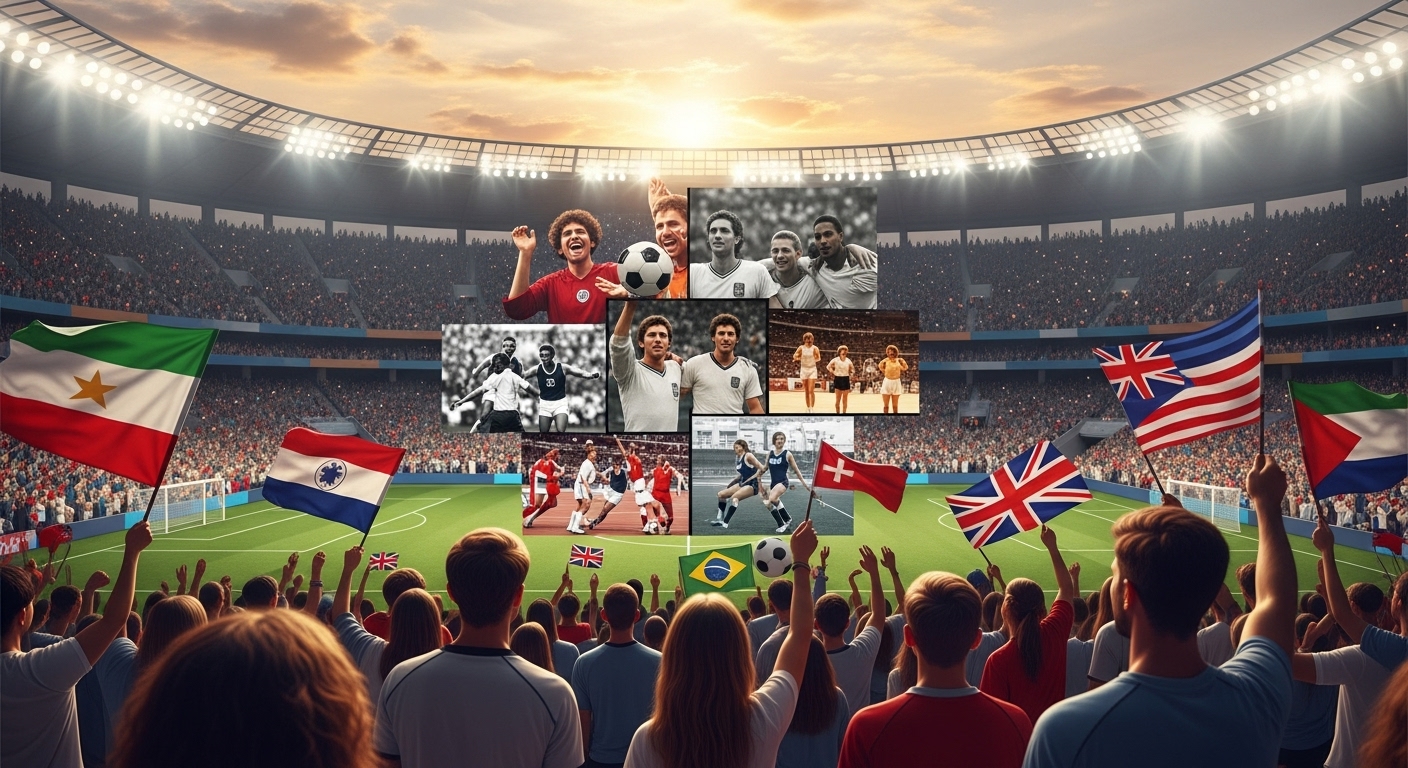
The beauty of sports lies in their universality. Regardless of age, gender, culture, or background, people everywhere can understand the excitement of a last-minute goal, the tension of a close match, or the joy of a hard-earned victory. In fact, sports serve as a universal language that connects people in a way few other things can. Whether you’re watching the Super Bowl in the United States or the FIFA World Cup in Brazil, sports create a sense of shared experience.
Even when we don’t speak the same language, we understand the gestures, the emotions, and the atmosphere that sports generate. This universality is what makes them such a powerful tool for bringing people together. Whether it’s a neighborhood soccer game, an international championship, or a friendly match between rivals, sports have the power to bridge gaps, dissolve barriers, and promote unity.
Physical Health: The Foundation of Well-being
One of the primary reasons sports are so popular is because they contribute significantly to physical health. Engaging in sports helps improve cardiovascular health, strengthen muscles, and enhance flexibility. Many types of sports—whether team-based or individual—are also excellent for boosting coordination and balance.
Cardiovascular Benefits
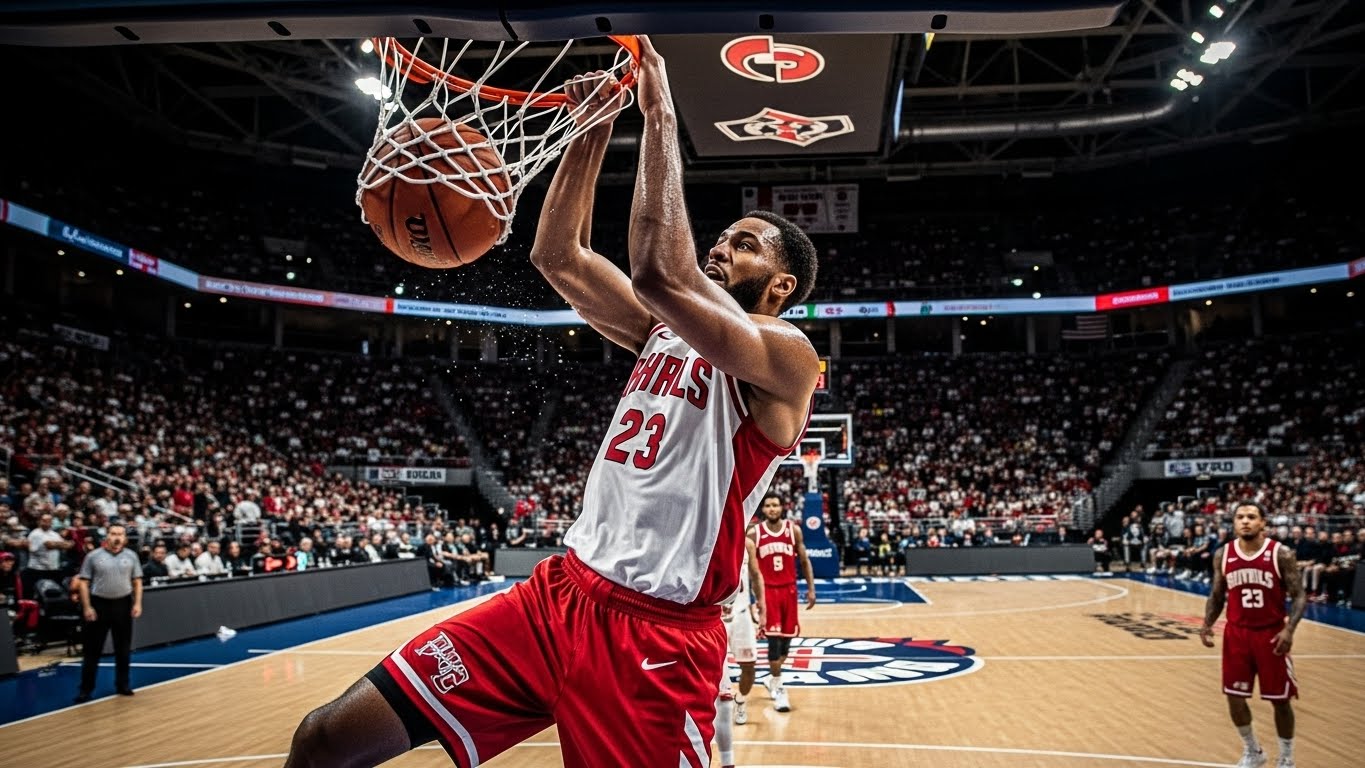
Sports like running, swimming, cycling, and basketball provide an excellent cardiovascular workout. Regular participation in these activities helps the heart become stronger and more efficient, reducing the risk of heart disease, high blood pressure, and stroke. Cardiovascular fitness is essential not only for athletes but for everyone, as it contributes to overall longevity and quality of life.
Building Muscle and Strength
Strength training is another key benefit of many sports. Whether it’s lifting weights in the gym or engaging in resistance activities through sports like rugby, tennis, or rowing, the body’s muscles grow stronger over time. This not only helps with performance in the sport itself but also enhances day-to-day functionality. Stronger muscles reduce the risk of injury and improve overall posture, which can help in preventing back pain or joint problems later in life.
Bone Health
Weight-bearing sports such as tennis, basketball, and running are crucial for bone health. These activities stimulate bone formation and help maintain bone density, reducing the risk of osteoporosis and fractures. As we age, maintaining bone health becomes increasingly important, and sports provide an enjoyable way to achieve this.
Mental Health: The Psychological Benefits of Sports
While the physical benefits of sports are well-known, the positive impact on mental health is equally important. In fact, sports are often used as a therapeutic tool to help manage stress, depression, and anxiety. Physical activity releases endorphins, the brain’s natural “feel-good” chemicals, which can elevate mood and reduce stress.
Stress Reduction
Physical exercise is one of the most effective ways to manage stress. When we engage in sports, our bodies focus on the activity at hand, allowing us to escape from the pressures of daily life. Whether it’s a quick jog, a game of tennis, or a yoga session, sports provide a mental break that promotes relaxation and emotional well-being. The physical exertion also helps release pent-up tension, resulting in a more peaceful state of mind.
Building Confidence
In addition to reducing stress, sports help build confidence and self-esteem. The process of mastering a skill, setting and achieving goals, and seeing progress over time is deeply fulfilling. For athletes, winning a competition or reaching a personal best provides a sense of accomplishment that can carry over into other areas of life.
Learning to deal with failure is also an important part of the mental benefits of sports. Losing a game or not performing as expected can be frustrating, but it teaches resilience and the ability to bounce back from setbacks. Overcoming adversity is a skill that can help individuals handle challenges in all aspects of life.
Social Connections
Another significant mental health benefit of sports is the sense of belonging they foster. Whether it’s a local sports team or an online gaming community, sports create opportunities for social interaction and the development of friendships. Being part of a team or club provides a support system and a sense of camaraderie that can significantly boost one’s emotional well-being.
The Role of Sports in Building Communities
Sports are not just an individual pursuit; they are an excellent way to foster a sense of community. Whether it’s a small town supporting its local football team or a global community uniting behind a shared love of basketball, sports create strong bonds that transcend borders and bring people together in unique ways.
Uniting Diverse Groups
Sports have the power to unite people from all walks of life. They bring together people of different cultures, races, and backgrounds and create a shared sense of purpose. International competitions like the World Cup or the Olympics are prime examples of how sports can unite entire nations. People from all over the world come together to cheer for their teams, forget political and cultural differences, and celebrate the spirit of sport.
In local communities, sports can help foster inclusion and diversity. Community leagues and recreational teams often mix people from different socioeconomic backgrounds and provide a platform for people to connect in a way they might not otherwise. Sports break down social barriers and offer a safe space for people to come together and celebrate both their similarities and differences.
Volunteerism and Giving Back
Sports also provide an avenue for individuals to give back to their communities. Many athletes, especially at the grassroots level, volunteer their time to coach, mentor, or simply offer support to younger or less experienced players. This spirit of volunteerism is essential to the growth and development of sports at all levels.
Youth Development
Sports are particularly valuable for young people. They teach important life skills such as discipline, teamwork, leadership, and responsibility. For many young athletes, participation in sports helps them stay focused and motivated, giving them a positive outlet for their energy. Furthermore, youth sports provide a platform for children and teenagers to learn how to work with others, respect authority, and handle both success and failure in a healthy way.
Sports also play an important role in helping at-risk youth stay away from negative behaviors such as drug use or crime. Being part of a team or sports organization gives young people a sense of belonging and purpose, which can steer them away from destructive paths.
Sports as a Platform for Social Change
Sports have always been a powerful platform for social and political change. From Jackie Robinson breaking the color barrier in baseball to Muhammad Ali’s outspoken activism for civil rights, athletes have long used their platform to advocate for important social issues. In recent years, athletes have continued to speak out on issues such as racial inequality, gender equality, and environmental sustainability, making sports a vehicle for social change.
Advocacy Through Athletics
Athletes are increasingly using their influence to raise awareness about pressing social issues. Whether it’s kneeling during the national anthem to protest racial injustice or donating millions to charity, many athletes are using their fame and fortune to make a difference in the world. This activism has sparked important conversations and has helped push societal boundaries forward.
Breaking Barriers
Sports have also played a significant role in breaking down gender stereotypes and promoting gender equality. The rise of women’s sports, such as the success of female athletes in the Olympics, basketball, and tennis, has paved the way for future generations of girls to pursue athletic careers. Equal pay, equal opportunities, and visibility for female athletes continue to be key areas of focus for advocates of gender equality in sports.
Environmental Sustainability
Another area where sports are making an impact is environmental sustainability. Many professional sports organizations and athletes are increasingly aware of their environmental footprint and are taking steps to promote sustainability. From eco-friendly stadiums to reducing waste and carbon emissions, the sports industry is beginning to lead by example in addressing environmental concerns.
The Future of Sports: Technology and Innovation
As technology continues to evolve, so too does the world of sports. From virtual reality training to wearable fitness trackers, technology is changing how athletes train, perform, and recover. Virtual reality is being used for immersive training experiences, while data analytics help athletes and coaches gain insights into performance and strategy.
Technology also allows fans to engage with sports in new ways. Streaming services, augmented reality apps, and interactive features provide fans with unprecedented access to their favorite teams and athletes. As the sports industry continues to embrace innovation, the future looks promising for both athletes and fans alike.
Conclusion: The Enduring Power of Sports
Sports have a unique power to impact our lives in a multitude of ways. They provide physical benefits, promote mental well-being, build communities, foster social change, and inspire future generations. Whether played on the streets or the grandest stadiums, sports have the ability to unite, heal, and transform lives.
In a world where division and conflict often seem prevalent, sports remain a beacon of hope, showing us that when we come together to compete or cheer, we are reminded of our shared humanity. So the next time you lace up your shoes, pick up a ball, or sit down to watch a game, remember that sports are more than just play—they are an enduring testament to the strength of the human spirit.