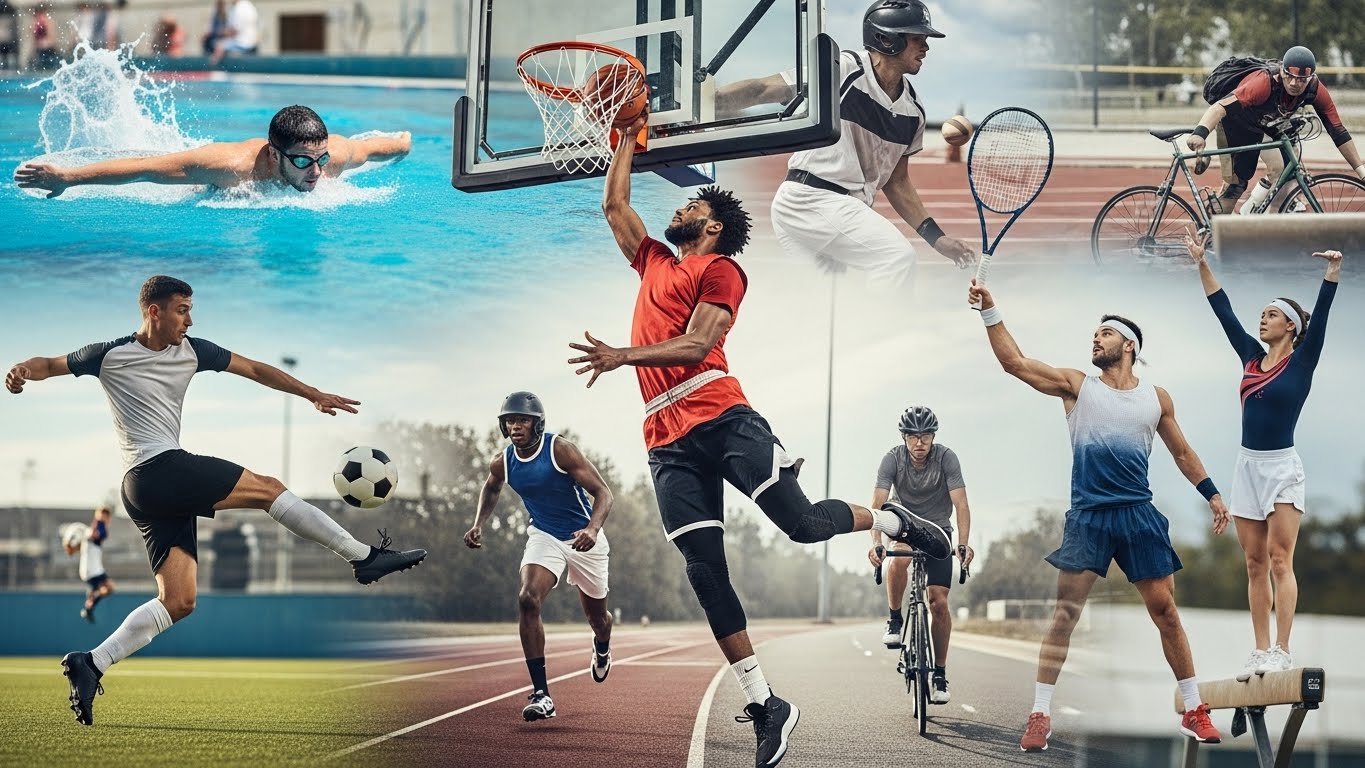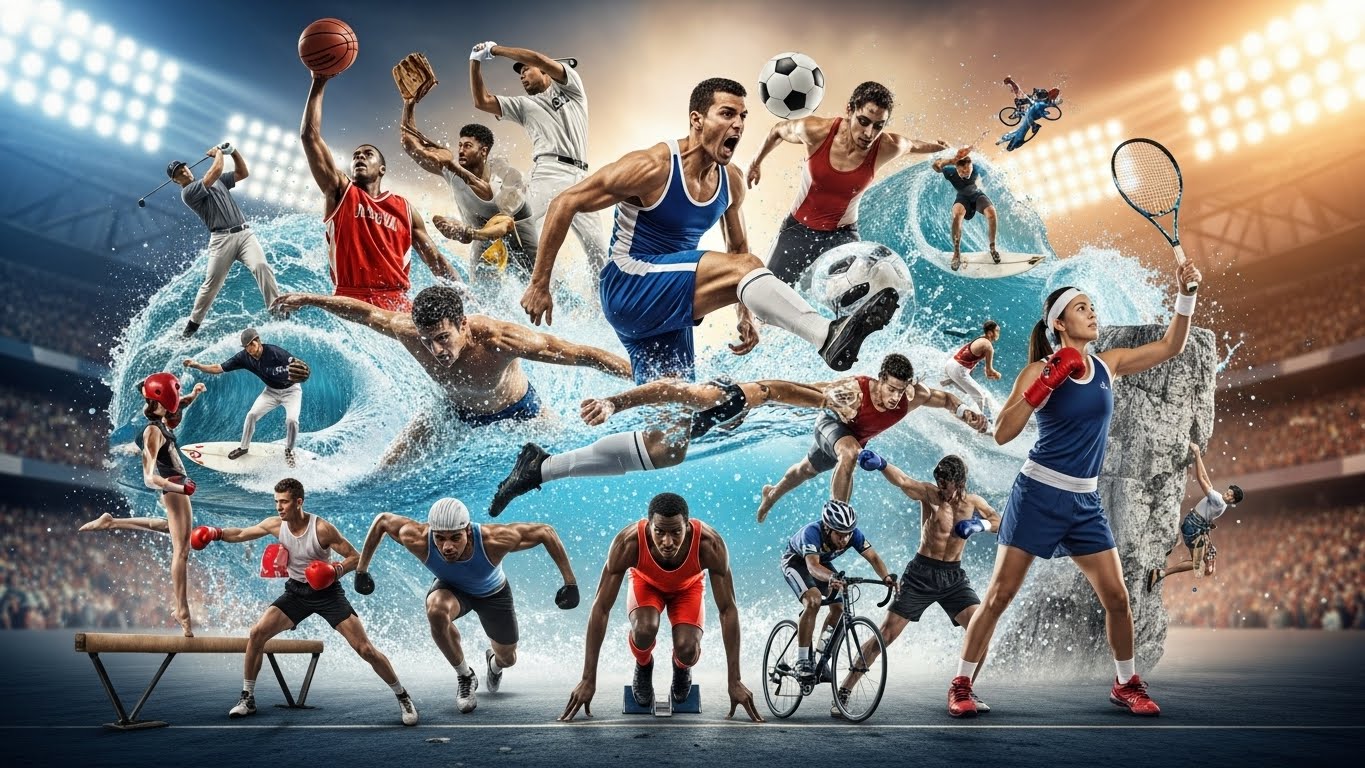





Sports have played an integral role in human civilization for centuries. What began as rudimentary physical contests have evolved into complex, organized activities enjoyed by millions around the world. From the early days of the ancient Olympics to the professional leagues that dominate our global landscape today, sports have evolved beyond just a way to pass time. Today, sports are deeply woven into the fabric of society, influencing everything from politics to personal identity. In this blog post, we will explore the impact of sports on society, looking at how they shape our culture, drive economies, influence our health, and create a sense of unity and identity among communities.
The Cultural Significance of Sports
Sports hold immense cultural significance in societies around the world. They serve as a reflection of cultural values, beliefs, and traditions, and often become a symbol of a nation’s identity. The cultural impact of sports can be seen across all levels, from local recreational activities to global sporting spectacles such as the Olympics and the FIFA World Cup.
Sports as a Tool for National Pride and Unity
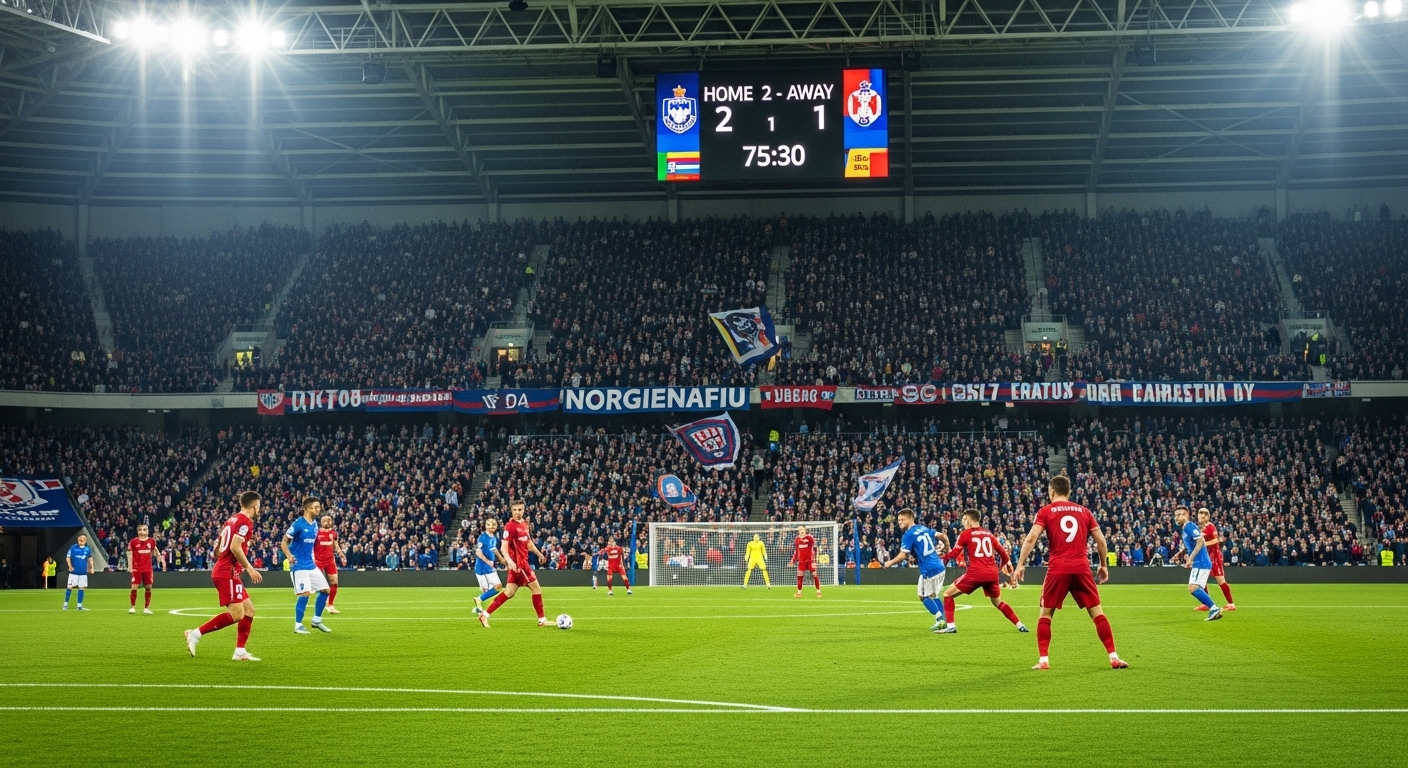
One of the most profound ways in which sports impact society is through their ability to foster national pride. When a country’s athletes compete on the world stage, the entire nation rallies behind them. This sense of collective support transcends politics, race, and social status, uniting people under a common goal. For example, the success of a national football team in the World Cup or the Olympic Games often sparks celebrations in the streets and brings a sense of achievement to the country as a whole.
Sports events are more than just competitions; they serve as a medium through which people experience a shared sense of pride and identity. These moments of unity are often pivotal in shaping a nation’s history. Think of how the 1995 Rugby World Cup in South Africa, led by Nelson Mandela’s leadership, helped unite a divided nation after apartheid. Sports can act as a powerful tool for social cohesion, offering a platform for inclusivity and solidarity in times of division or crisis.
The Role of Sports in Promoting Cultural Exchange
On a global level, sports also play a vital role in promoting cultural exchange. International sporting events bring together people from different countries, fostering interaction and understanding between different cultures. For instance, the Olympic Games, held every four years, serve as a stage for athletes from nearly every country in the world. The Games are an opportunity to celebrate cultural diversity, highlight common values, and create lasting connections between nations.
Through sports, individuals are exposed to new ideas, traditions, and ways of thinking. This cultural exchange is not only limited to athletes but also extends to spectators, who may find themselves exposed to different cultures through the media coverage of international sports events.
Sports as an Economic Driver
The economic impact of sports is substantial, and it has only grown in recent decades. From the global reach of professional sports leagues to local recreational programs, sports contribute significantly to both local and national economies.
The Business of Professional Sports
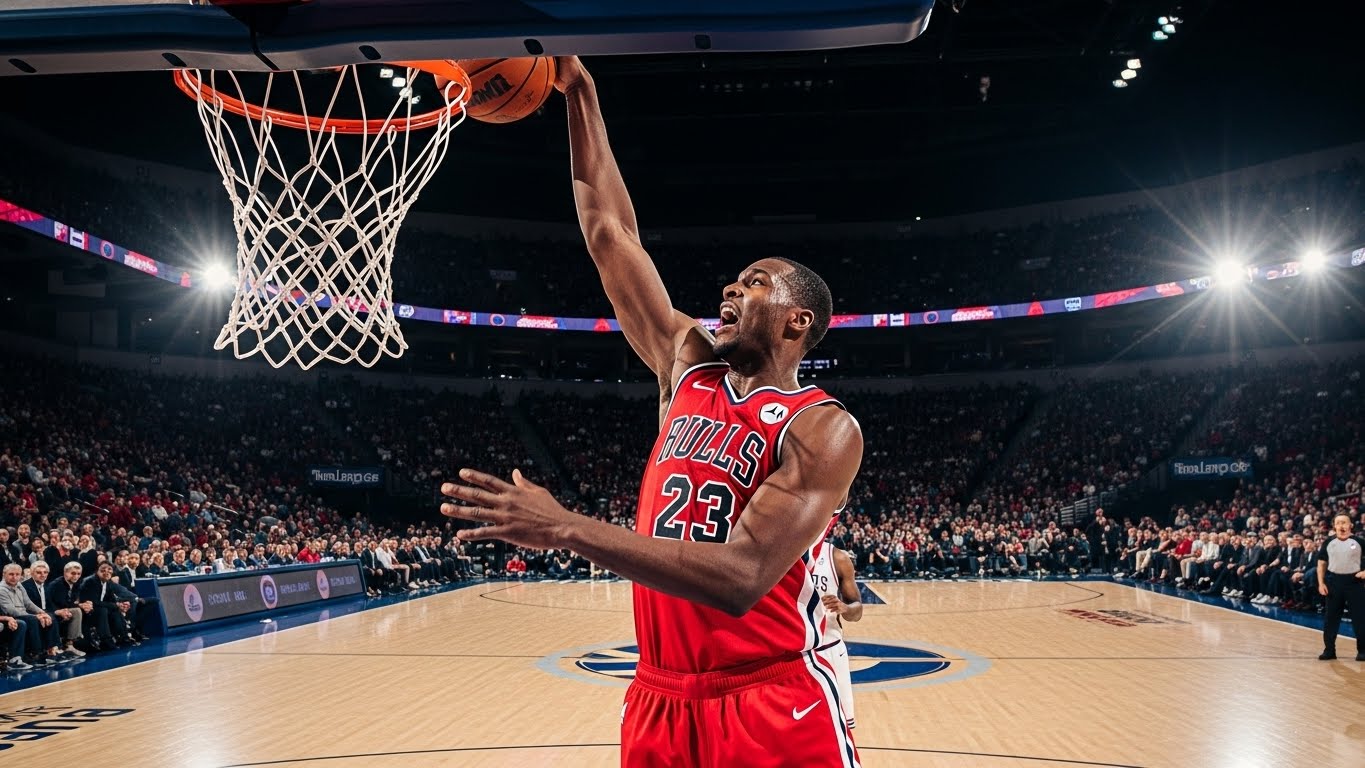
The business of professional sports is a multibillion-dollar industry that employs millions of people worldwide. The most popular sports leagues, such as the National Football League (NFL), National Basketball Association (NBA), and English Premier League (EPL), generate billions in revenue through broadcasting deals, sponsorships, ticket sales, and merchandise. This economic power extends far beyond the athletes themselves, creating jobs in marketing, event management, and sports media.
The commercialization of sports has also led to the rise of a new class of global celebrities: athletes who not only earn impressive salaries from playing but also generate income through endorsement deals with major brands. This trend has seen athletes like Michael Jordan, Cristiano Ronaldo, and Serena Williams become household names and international brands in their own right. The rise of social media has only amplified this phenomenon, allowing athletes to directly engage with their fans and secure even more lucrative sponsorships.
Economic Impact on Host Cities and Countries
Sports events, particularly large-scale tournaments such as the FIFA World Cup, the Summer and Winter Olympics, and the Super Bowl, have a massive economic impact on the host cities and countries. These events bring in significant amounts of tourism revenue, as visitors flock to the host nation to watch the games and experience the local culture. The influx of tourists stimulates local economies, benefiting hotels, restaurants, transport companies, and various other sectors.
In addition to direct economic benefits, hosting major sports events can have long-term effects on a city’s infrastructure and development. For example, cities that host the Olympic Games often see improvements in transportation, stadiums, and public amenities, which can contribute to the long-term development of the region. However, it’s important to note that these events can also come with challenges, such as the risk of overspending or the displacement of local communities.
The Role of Sports in Job Creation
Sports also create significant employment opportunities. Whether it’s jobs related to coaching, refereeing, marketing, or broadcasting, the sports industry provides a vast array of career paths. For young people, sports can offer opportunities for professional development and even serve as a career in itself, not only for athletes but for anyone involved in the behind-the-scenes operations of sports teams and organizations.
Moreover, community-based sports programs can provide valuable job opportunities in local areas. These programs often employ coaches, administrators, and support staff, offering both full-time and part-time work. As communities invest in recreational and youth sports, the job market expands, and the social fabric of the community strengthens.
The Health Benefits of Sports
Sports also have significant implications for public health. Physical activity is essential for maintaining a healthy lifestyle, and participation in sports is one of the most effective ways to promote fitness. Whether it’s playing team sports like basketball or participating in individual activities like running, engaging in regular physical activity has a profound impact on both mental and physical health.
Physical Health Benefits
The physical benefits of sports are well-documented. Regular physical activity improves cardiovascular health, strengthens muscles and bones, and helps regulate weight. Sports are a fun and engaging way to incorporate exercise into daily life, which is especially important in today’s sedentary world. Engaging in sports also helps improve flexibility, coordination, and motor skills, contributing to overall fitness and longevity.
In addition to these individual health benefits, sports can help reduce the risk of chronic diseases such as heart disease, diabetes, and hypertension. For example, studies have shown that children who participate in sports are more likely to maintain healthy lifestyles as adults, reducing their risk of developing health issues later in life.
Mental and Emotional Well-Being
Beyond the physical benefits, sports also have a profound effect on mental health. Engaging in physical activity is known to release endorphins, which improve mood and reduce stress. Sports provide an outlet for individuals to release pent-up emotions, whether it’s frustration, excitement, or joy. The sense of achievement that comes from reaching a goal in a sport, whether it’s winning a game or mastering a new skill, contributes to improved self-esteem and confidence.
Moreover, team sports foster a sense of belonging and camaraderie, which can be invaluable for emotional well-being. The relationships formed on the playing field often extend beyond the game, creating lasting friendships and providing a support system for individuals. Participating in sports also helps develop life skills such as leadership, teamwork, and communication, which can contribute to emotional resilience in everyday life.
The Role of Sports in Preventing Obesity and Promoting Healthy Lifestyles
As obesity rates continue to rise globally, sports have become a critical tool in combating the health crisis. By encouraging active participation in physical activities, sports can help prevent obesity and promote healthier lifestyles among children and adults. Schools, governments, and private organizations are increasingly recognizing the need to provide opportunities for youth to engage in sports and physical activities as part of their overall health education.
Community-based sports programs that promote fitness and healthy eating habits are playing an essential role in addressing these issues. These initiatives are often geared toward underserved communities, helping to bridge the gap in access to quality health and wellness resources.
The Social Impact of Sports
In addition to their economic and health benefits, sports also have a profound social impact on communities. They serve as a means of fostering social inclusion, promoting education, and addressing societal issues such as racism, gender inequality, and poverty.
Sports as a Socializing Agent
Sports bring people together from all walks of life. Whether it’s children playing in the park or elite athletes competing in international tournaments, sports provide a universal platform for individuals to interact and form connections. The shared experience of playing a game or cheering for a team creates a bond that transcends cultural, social, and economic differences.
Sports also provide opportunities for individuals to break out of their daily routines and form new social connections. Youth sports programs, for example, are often a space where children from different backgrounds come together and form friendships. These social interactions can be critical in developing empathy, teamwork, and cultural understanding, all of which contribute to stronger, more inclusive communities.
Sports and Social Change
Sports have long been at the forefront of social change. From the Civil Rights Movement in the United States to the fight for gender equality in women’s sports, athletes have used their platforms to advocate for social justice. Iconic moments such as Muhammad Ali’s stance against the Vietnam War or Billie Jean King’s victory in the Battle of the Sexes have transcended the world of sports and become catalysts for broader societal change.
Athletes continue to use their fame and influence to raise awareness about issues such as racial inequality, gender discrimination, and LGBTQ+ rights. This powerful combination of sports and activism helps to shine a spotlight on social injustices and encourages change.
The Role of Sports in Education
Sports play an important role in education, helping students develop critical life skills. Beyond teaching physical fitness, sports instill values such as discipline, perseverance, and resilience. Schools and universities around the world recognize the importance of extracurricular activities, with many offering scholarships and resources to students who excel in sports.
Moreover, sports programs help engage students in a way that academics alone may not. For some students, the opportunity to participate in sports can be a motivating factor to succeed academically. The teamwork and leadership skills gained from participating in sports can also contribute to success in the classroom and beyond.
Conclusion: The Lasting Influence of Sports
Sports have a far-reaching impact on society, touching every aspect of human life, from culture and economics to health and social change. They provide a platform for national pride, foster international relations, and offer opportunities for economic growth. Sports contribute to our physical and mental well-being, offering a powerful tool for personal development and community cohesion.
Ultimately, sports are much more than just games. They are an essential part of our lives, helping to shape who we are as individuals and as societies. Whether you’re playing on a local team, watching a professional game, or cheering for your national team in the World Cup, sports have the ability to unite us, inspire us, and remind us of the power of human potential.