




Introduction: The Universal Language of Sports
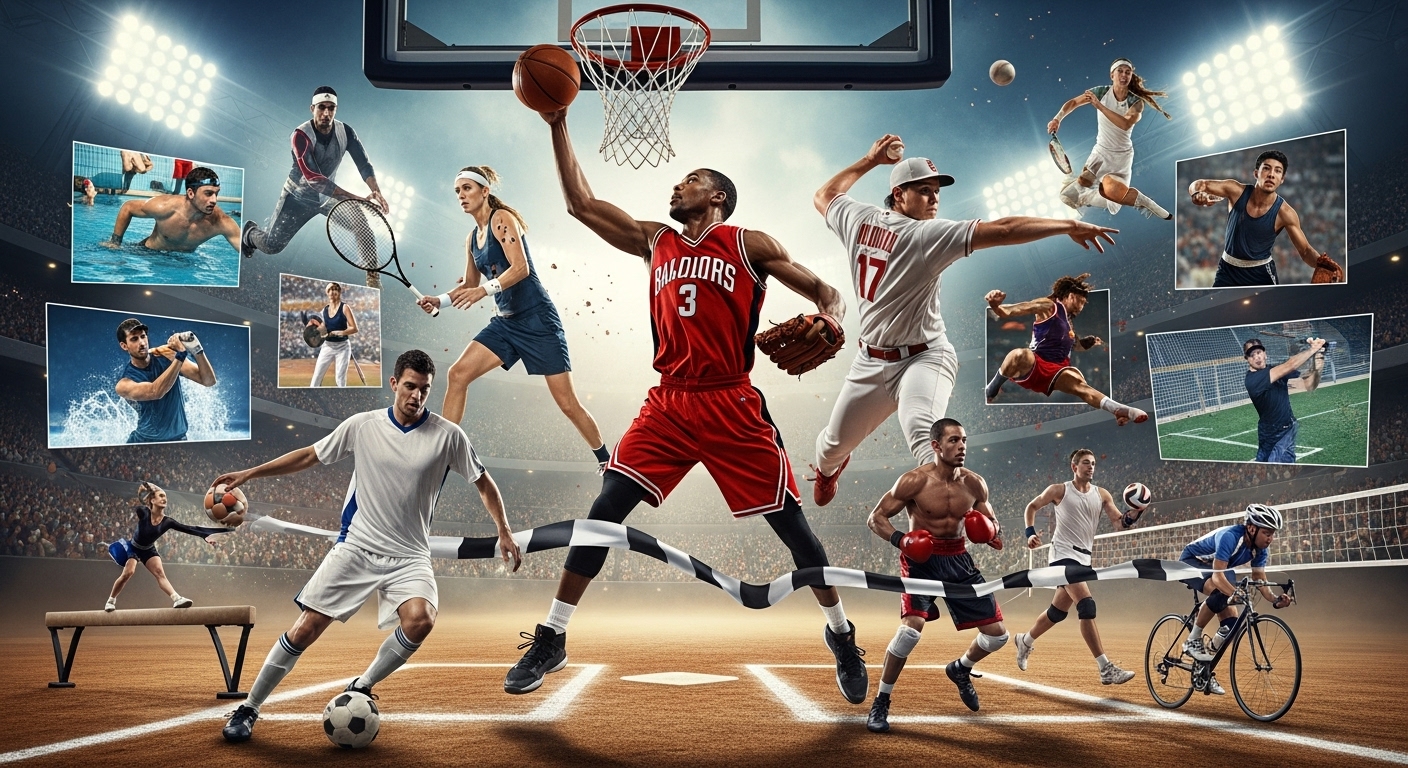
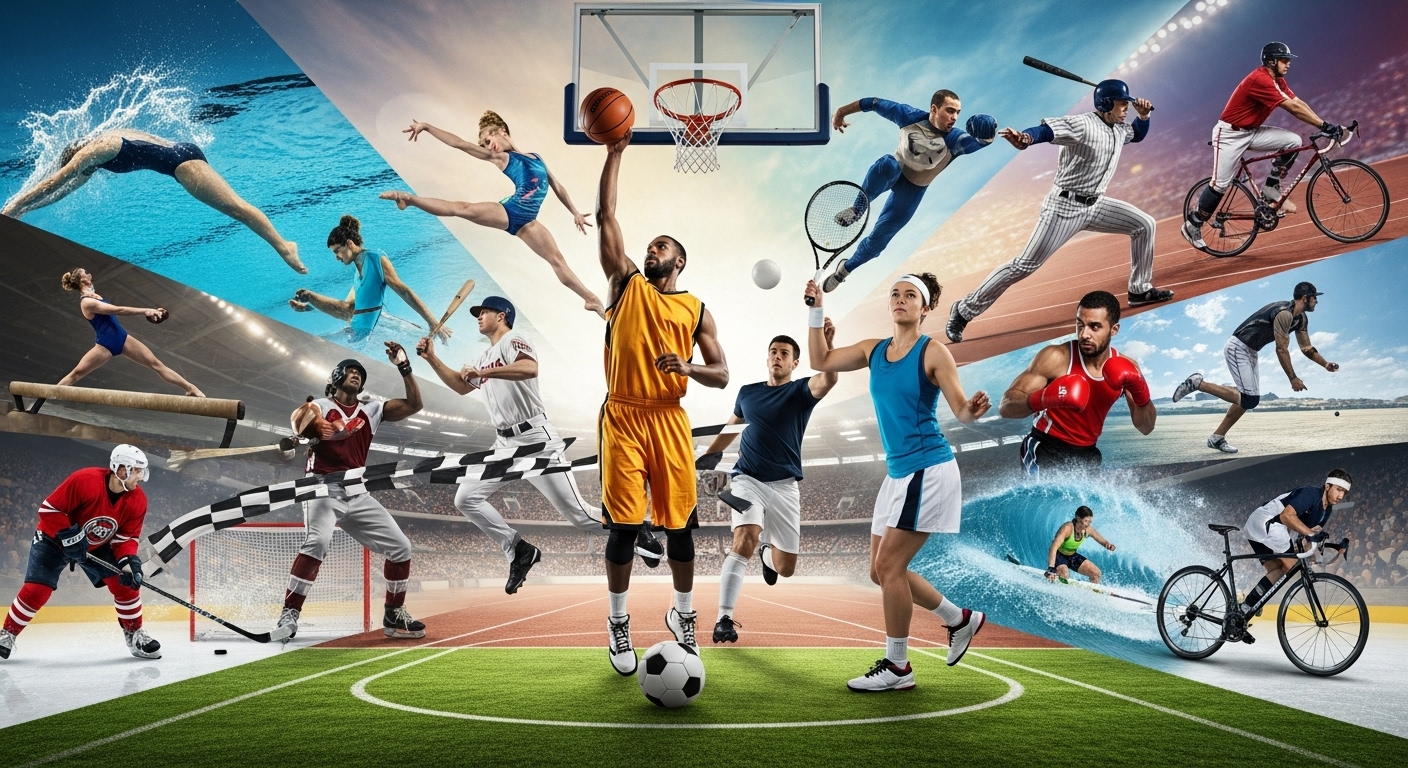
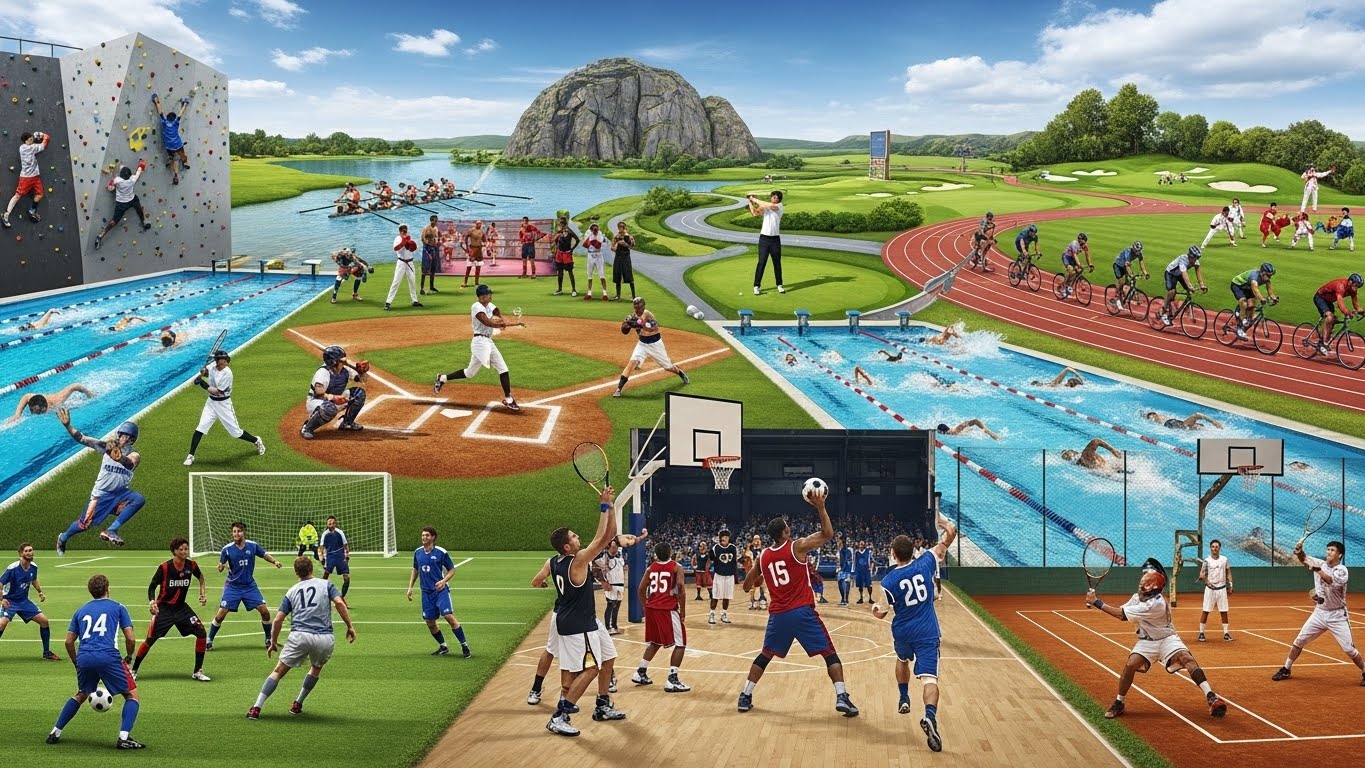
Sports have been an integral part of human civilization for centuries. From the ancient Olympic Games in Greece to the rise of modern football leagues across the globe, sports transcend cultural, linguistic, and social boundaries. They are more than just a means of entertainment; they are a reflection of human spirit, discipline, and perseverance. Sports influence our physical health, mental resilience, social skills, and even economic landscapes. The thrill of competition, the joy of victory, and the lessons learned from defeat are experiences that everyone can relate to, making sports a universal language that connects humanity.
Physical Benefits of Sports
The most obvious benefit of participating in sports is physical fitness. Engaging in regular physical activity improves cardiovascular health, strengthens muscles, and enhances flexibility and coordination. Sports such as swimming, basketball, and soccer require intense movement, which promotes endurance and reduces the risk of lifestyle-related illnesses such as obesity, diabetes, and heart disease. Even recreational sports like jogging, hiking, or yoga contribute to maintaining a healthy body. Beyond the physical, the body’s metabolism improves, bone density increases, and overall stamina grows, enabling individuals to lead more active and productive lives.
Mental Health and Emotional Growth Through Sports
Sports are equally important for mental well-being. Participating in physical activities releases endorphins, the body’s natural mood enhancers, which help reduce stress and anxiety. Competitive sports also teach valuable life lessons, including discipline, time management, and coping with pressure. Athletes learn to focus on their goals, overcome obstacles, and develop resilience. For children and adolescents, team sports can improve concentration, enhance self-esteem, and reduce symptoms of depression. Even for adults, sports provide a healthy outlet to release frustration, recharge mentally, and maintain a balanced emotional state.
Sports as a Teacher of Life Skills
Beyond physical and mental benefits, sports serve as a powerful teacher of life skills. Team sports like football, cricket, and volleyball emphasize collaboration and effective communication. Players learn to trust each other, strategize, and work toward a shared objective. Individual sports, such as tennis, martial arts, or swimming, instill self-discipline, focus, and personal accountability. The lessons learned on the field often translate to personal and professional life, teaching the importance of perseverance, ethical behavior, and handling both success and failure with grace.
The Role of Sports in Community Building
Sports also play a vital role in creating social cohesion and community identity. Local sports clubs, school teams, and neighborhood leagues bring people together, fostering a sense of belonging and collective pride. Major sporting events like the World Cup or the Olympics unite entire nations, creating shared experiences that transcend social and economic divides. Community engagement in sports promotes teamwork, inclusivity, and healthy competition while inspiring younger generations to participate. It’s not just about winning or losing; it’s about connection, shared values, and mutual support.
Economic Impact of Sports
Sports are a significant driver of economic growth in many countries. Professional leagues, international tournaments, and sports-related industries generate employment and revenue, contributing to local and national economies. Stadiums, sports apparel, equipment manufacturing, and media coverage create jobs and business opportunities. Tourism often spikes around major sporting events, benefiting hotels, restaurants, and transportation services. Even at the grassroots level, sports encourage entrepreneurship through coaching, organizing local leagues, and training programs. The economic ripple effect of sports is a testament to its wide-reaching influence beyond just physical activity and entertainment.
Cultural Significance of Sports
Sports have a deep cultural resonance that reflects societal values, traditions, and history. For example, cricket in India is more than a game; it is a cultural phenomenon that unites millions. Similarly, American football and baseball are woven into the cultural fabric of the United States. Sports also serve as platforms for social change, allowing athletes to advocate for equality, justice, and humanitarian causes. The representation of women, minorities, and underprivileged groups in sports continues to challenge stereotypes and foster inclusivity. Celebrating sports culture involves honoring both athletic achievements and the diverse stories of those who participate.
The Evolution of Sports Technology
The modern sports landscape has been transformed by technology, impacting training, performance analysis, and fan engagement. Wearable devices, performance-tracking software, and biomechanical analysis help athletes optimize their physical capabilities and reduce injury risks. Virtual reality and simulation technologies offer immersive training experiences, while social media platforms bring fans closer to their favorite teams and players. Technology has also made sports more accessible to people worldwide, allowing them to watch live events, participate in online competitions, or access training resources from their homes. The fusion of sports and technology continues to redefine how we play, watch, and appreciate athletic excellence.
Challenges in the World of Sports
Despite the many benefits, sports are not without challenges. Professional athletes often face intense pressure, physical strain, and the risk of career-ending injuries. Mental health issues, including anxiety, depression, and burnout, are prevalent in competitive sports. Ethical concerns such as doping, corruption, and unfair practices continue to threaten the integrity of sports. Access to sports facilities and training opportunities remains uneven, especially in underprivileged communities. Addressing these challenges requires proactive measures from governing bodies, coaches, communities, and athletes themselves to ensure that sports remain fair, safe, and inclusive for everyone.
Sports as a Platform for Inspiration
Sports have the unique ability to inspire individuals across the globe. Stories of athletes overcoming adversity, breaking records, or representing their nations with honor resonate universally. Iconic moments in sports history, such as an underdog victory or a record-breaking performance, ignite passion and motivation in fans and aspiring athletes alike. The perseverance, determination, and resilience displayed in sports serve as a metaphor for life itself, encouraging people to pursue their goals relentlessly, embrace challenges, and celebrate achievements, no matter how small.
Conclusion: Embracing the Spirit of Sports
Sports are far more than a game; they are a reflection of humanity’s spirit, resilience, and creativity. Whether it is the physical vigor, mental fortitude, community engagement, or cultural significance, sports impact every aspect of life. They teach discipline, foster teamwork, build character, and provide a source of inspiration for people of all ages. By embracing the spirit of sports, individuals can lead healthier, happier, and more connected lives. Communities can grow stronger, and societies can celebrate diversity, fairness, and achievement. In a world where challenges abound, sports remind us of the joy of play, the power of perseverance, and the importance of coming together to achieve something greater than ourselves.