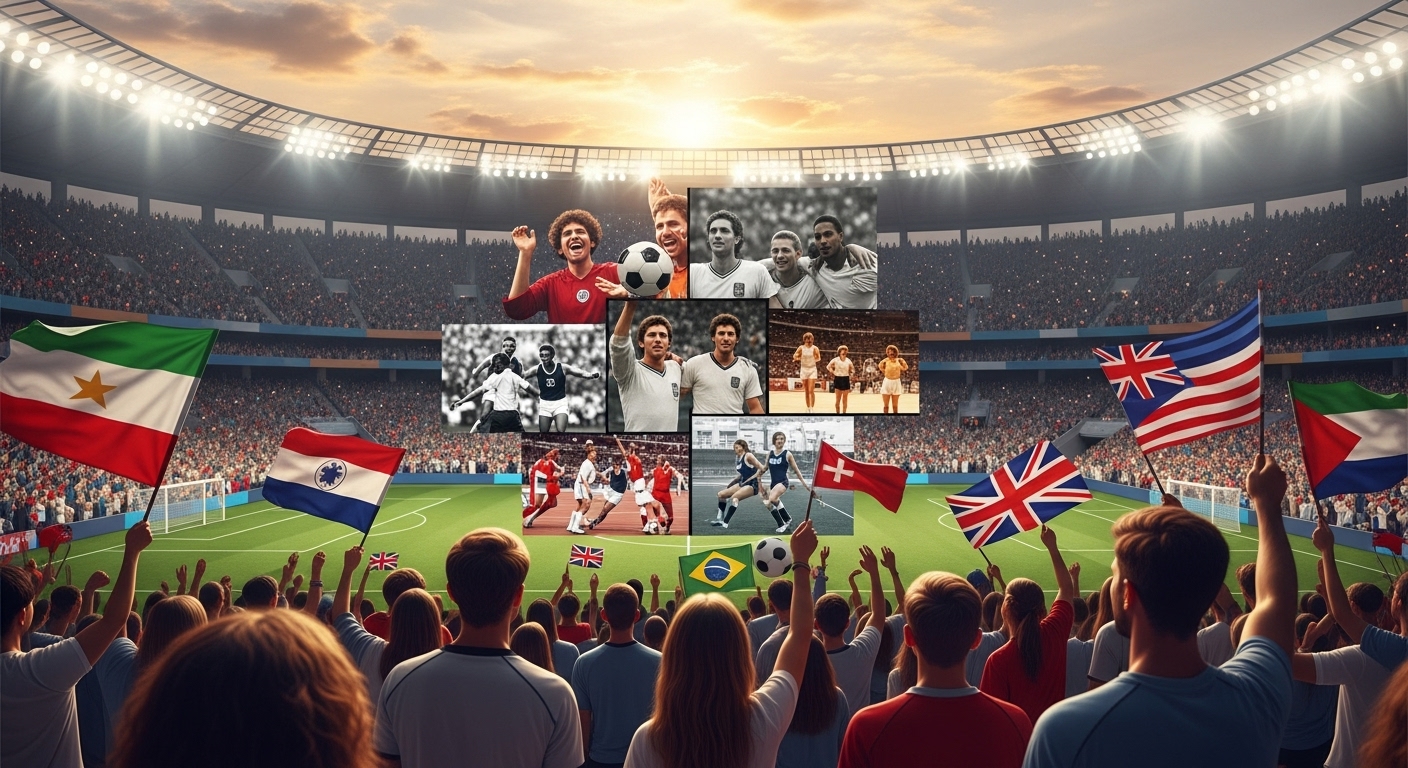





Sports have an unparalleled ability to unite people across geographical, cultural, and social boundaries. Whether it’s the excitement of a football game, the elegance of tennis, or the strategic intricacies of basketball, sports have the power to transcend language and bring individuals together in a shared experience. From local community leagues to global championships, sports have become an integral part of modern society. In this blog post, we will explore the multifaceted impact of sports, from its role in shaping individual identities to its profound influence on global culture, economies, and even politics.
The Origins and Evolution of Sports
The history of sports is as old as human civilization itself. Early evidence of organized physical competitions can be traced back to ancient civilizations, where sporting activities were often linked to religious ceremonies, military training, and celebrations of physical prowess. The ancient Greeks, for example, held the first Olympic Games in 776 BCE, a tradition that would go on to shape the modern Olympics we know today. These early events were not only about athletic competition but also about promoting ideals of honor, excellence, and unity.
Over time, sports evolved into a more structured and formalized activity. In medieval Europe, tournaments like jousting and archery became popular, showcasing both skill and bravery. By the 19th century, sports as we know them today began to take shape. The industrial revolution and advancements in technology allowed for greater standardization in sports, leading to the formation of organized leagues, rules, and competitions.
In the modern era, the rise of mass media, particularly television and later the internet, helped propel sports to unprecedented levels of popularity. The global reach of sports now allows millions to engage with and follow their favorite teams and athletes, whether in person or through digital platforms.
The Unifying Power of Sports
One of the most remarkable aspects of sports is its ability to bring people together. Whether it’s fans cheering for the same team in a stadium or players from different countries competing in international tournaments, sports foster a sense of community and shared identity. This unifying power is especially evident during global sporting events like the FIFA World Cup or the Olympic Games, where people from different cultures and backgrounds come together to celebrate athletic achievement.
Sports have the unique ability to break down cultural and linguistic barriers. The love for a particular sport or team can unite people from different parts of the world, creating a sense of solidarity that transcends race, religion, or nationality. For example, football (soccer) is the most popular sport globally, with billions of fans spanning continents, from Europe to South America to Africa. The global fan base of teams like Barcelona, Manchester United, and Real Madrid showcases how sports create a shared connection that crosses national borders.
In local communities, sports also serve as a unifying force. Amateur leagues, whether for children, adults, or seniors, bring people together to compete, exercise, and have fun. Community sports offer an outlet for socializing, developing skills, and even forging lifelong friendships.
Sports as a Reflection of Society and Culture
Beyond entertainment, sports serve as a mirror to society. They reflect the values, challenges, and dynamics of the time in which they are played. For example, the rise of women’s sports has mirrored the ongoing movement for gender equality. Female athletes like Serena Williams, Simone Biles, and Billie Jean King have not only achieved remarkable success in their respective sports but have also become icons in the fight for gender equity in athletics and beyond.
Sports also reflect the cultural values of different societies. In some countries, individual achievement is celebrated, while in others, teamwork and collaboration are emphasized. In countries like the United States, professional sports like American football, basketball, and baseball represent a fusion of athleticism and entertainment, while in other cultures, traditional sports like cricket in India or rugby in New Zealand serve as expressions of national identity and pride.
The impact of sports on cultural identity is also evident in the way fans engage with their teams. In cities like Boston or Liverpool, sports teams are deeply intertwined with local pride and identity. The success or failure of a team can impact the mood of an entire city or region, with fans celebrating victories and mourning defeats together. These collective experiences shape the cultural fabric of communities and contribute to a shared sense of belonging.
The Role of Sports in Promoting Health and Well-being
In addition to its social and cultural impact, sports play a crucial role in promoting physical and mental health. On a basic level, participating in sports helps improve cardiovascular health, strength, flexibility, and endurance. Physical activity is essential for maintaining a healthy body, and sports provide an enjoyable and engaging way for individuals to stay active.
Sports also promote mental health and well-being. The psychological benefits of playing sports are well-documented, with studies showing that regular participation can reduce stress, anxiety, and depression. The release of endorphins during physical activity is known to improve mood and boost overall happiness. Additionally, sports provide a sense of achievement and accomplishment, whether through individual milestones or team successes.
For children and adolescents, sports offer important developmental benefits. They teach valuable life skills such as discipline, teamwork, communication, and perseverance. The structure of sports helps children develop a strong sense of time management and responsibility, all of which contribute to personal growth. Moreover, sports provide a safe and supportive environment where young people can form friendships and learn the importance of cooperation and respect.
The Economic Impact of Sports
The economic impact of sports is vast, with the global sports industry contributing billions of dollars to the world economy each year. Professional sports leagues like the National Football League (NFL), Major League Baseball (MLB), and the National Basketball Association (NBA) generate enormous revenues through ticket sales, merchandise, media rights, and sponsorships. In addition, sporting events like the Super Bowl, the FIFA World Cup, and the Olympic Games attract millions of viewers and generate significant economic activity, from tourism to local spending.
The impact of sports extends beyond professional leagues. The amateur sports sector, including youth sports programs, recreational leagues, and school athletics, plays a crucial role in the economy as well. These activities create jobs in coaching, officiating, event management, and facility maintenance. Furthermore, sports tourism—whether through attending live events or visiting sports-related attractions—boosts local economies by creating jobs and generating revenue for hotels, restaurants, and retail businesses.
In addition to direct economic benefits, sports also have the power to enhance the global economy by fostering international trade, investment, and cooperation. Major international sporting events often bring countries together, providing opportunities for diplomacy and cultural exchange.
The Influence of Technology on Sports
Technology has had a profound impact on sports, transforming the way games are played, analyzed, and consumed. In recent years, innovations in technology have revolutionized the sports world, from advanced performance tracking tools to enhanced broadcasting techniques.
For athletes, technology has led to more precise measurements of physical performance. Wearable devices, such as heart rate monitors, GPS trackers, and motion sensors, allow athletes and coaches to collect real-time data to optimize training and performance. These technologies enable athletes to push the boundaries of what is physically possible, enhancing their speed, strength, and endurance.
In terms of broadcasting, the rise of digital media has given sports a new global platform. Fans can now watch games and highlights on streaming services and social media platforms, allowing for real-time engagement with events happening halfway across the world. Virtual reality (VR) and augmented reality (AR) are also changing how fans experience sports, offering immersive viewing experiences that bring them closer to the action than ever before.
Moreover, technology has enhanced the accuracy of officiating. Video assistant referees (VAR) in football, instant replay in basketball, and Hawk-Eye technology in tennis have all been introduced to improve the fairness and precision of decisions made during games. These advancements help ensure that the outcomes of competitions are determined by the athletes’ performance rather than human error.
The Dark Side of Sports: Challenges and Controversies
Despite the many positive aspects of sports, the industry is not without its challenges and controversies. From issues related to corruption and doping to the exploitation of athletes and the commercialization of sports, the dark side of sports cannot be ignored.
One of the most pervasive issues in modern sports is the pressure placed on athletes to perform at elite levels, often at the expense of their physical and mental health. Athletes are pushed to the limit in pursuit of victory, sometimes resulting in serious injuries or burnout. The increasing commercialization of sports has also led to concerns about the exploitation of athletes, particularly in terms of sponsorship deals and financial incentives.
Another ongoing issue is the prevalence of doping in sports. Performance-enhancing drugs (PEDs) have been used by athletes to gain an unfair advantage, leading to scandals and mistrust within various sports. Efforts to combat doping have led to stricter regulations and testing, but the problem remains a significant challenge.
Additionally, the commercialization of sports has raised questions about the balance between entertainment and integrity. As sports leagues and organizations pursue ever-growing revenue streams, there are concerns that the pursuit of profit is compromising the spirit of fair competition. The rising influence of corporate sponsors and media companies can sometimes overshadow the athletes themselves, shifting the focus from the love of the game to financial gain.
The Future of Sports: Trends and Innovations
The future of sports is bright, with continued growth and innovation on the horizon. Emerging trends such as eSports, virtual sports, and the increasing popularity of mixed-reality experiences are transforming the way we engage with sports. Esports, for example, has rapidly gained a global following, with millions of fans tuning in to watch competitive video gaming tournaments. The integration of virtual and augmented reality is also poised to redefine how fans experience live events, creating new, immersive ways to interact with their favorite teams and athletes.