




Introduction
Sports have always been a celebration of human potential, courage, and discipline. In every era, athletes have pushed boundaries—breaking records, testing limits, and inspiring millions. But the modern sports landscape has evolved far beyond physical skill alone. Today, success on the field, track, or court demands a complex blend of mental strength, meticulous planning, data-driven training, and unwavering discipline. This blog explores how contemporary athletes redefine excellence through habits, mindset, and commitment that often remain unseen behind the spotlight.
The Evolution of Training in Modern Sports
Athletic training once relied purely on instinct and repetition. Coaches depended on experience, athletes trusted their natural ability, and the environment provided the rest. But today’s athletes train in a world where science plays a transformative role.
Advanced performance analytics, targeted nutrition, and recovery science all shape modern regimens. Training programs now include precise metrics such as heart-rate variability, sleep patterns, hydration levels, and muscle response times. These data points allow athletes to fine-tune their bodies like never before.
What truly separates today’s sports professionals is not just access to technology, but their disciplined approach to using it. Every workout is measured, every session is analyzed, and every improvement is intentional. The difference between winning and losing often comes down to micro-adjustments that only disciplined athletes are willing to make.
The Mental Game: Building an Athlete’s Mindset
In sports, physical preparation is only half the battle. Mental strength often determines who performs under pressure and who falters. High-level competition demands emotional control, focus, resilience, and confidence—qualities achieved through continuous mental conditioning.
Meditation, visualisation exercises, breathing techniques, and cognitive behavioral training have become essential tools for peak performance. Athletes now work with sports psychologists to handle stress, overcome setbacks, and maintain razor-sharp focus in high-pressure environments.
The mind, like the body, must be trained daily. Discipline in mental preparation is what keeps athletes grounded during failure and composed during triumph. Many champions credit their success not to physical abilities alone but to the unseen mental habits that keep them strong when moments get tough.
Nutrition as a Competitive Weapon
Modern athletes view food as fuel—precisely measured, strategically timed, and aligned with performance goals. Nutrition has become a competitive advantage, with athletes tailoring their diets to maximize energy, build muscle, and speed up recovery.
Balanced meals, micronutrient tracking, and hydration plans are carefully crafted based on each athlete’s physiology. Whether it’s endurance runners prioritizing carbohydrate loading, fighters cutting weight with precision, or powerlifters focusing on optimal protein intake, discipline remains the common thread.
This dedication to nutrition extends beyond the season. Athletes must follow a consistent diet all year round, resisting temptations that could hinder performance. This level of discipline separates elite athletes from recreational ones. It proves that excellence requires not only strength and speed but constant, mindful choices.
The Power of Recovery and Rest
A decade ago, rest days were often considered downtime. Today, recovery is recognized as one of the most essential aspects of training. Athletes incorporate sleep optimization, cold therapy, massage sessions, stretching routines, and mobility work to improve circulation and muscle healing.
The idea is simple: performance is not just about working hard—it’s about recovering smart.
Discipline in recovery means knowing when to push the body and when to allow it to regenerate. Athletes who ignore rest risk burnout, injuries, and long-term damage. Those who master recovery can extend careers, maintain consistency, and outperform competitors.
Technology’s Role in Shaping Future Champions
From motion sensors to smart wearables and performance-tracking apps, technology has revolutionized the sports industry. Coaches now use video breakdowns, simulation tools, and predictive analytics to design strategy and improve technique.
Athletes use virtual reality to train scenarios they might face in competition, preparing mentally and physically for challenges. Biomechanical assessments reveal inefficiencies in movement, helping athletes make adjustments that prevent injuries.
Technology amplifies talent, but only discipline transforms it into greatness. Having access to tools is not enough—consistent application is what elevates performance.
The Rise of Multi-Sport Training
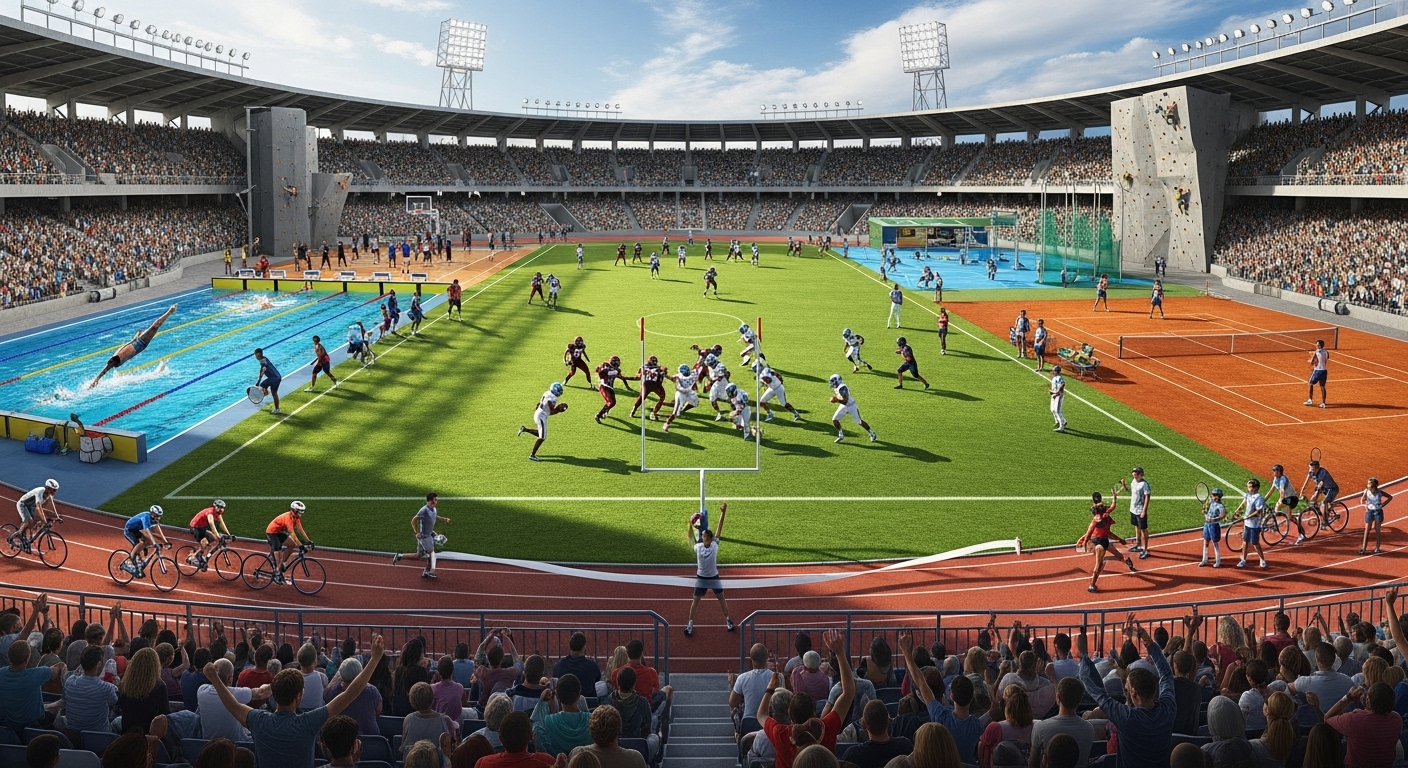
Gone are the days when athletes trained exclusively in one sport year-round. Cross-training has gained popularity as a way to build overall fitness, reduce injury risk, and improve functional movement.
Basketball players incorporate yoga for flexibility. Footballers use swimming for low-impact endurance. Track athletes practice strength training to boost speed and power.
Multi-sport training requires discipline to blend diverse routines into a single program without losing focus on the primary sport. It builds versatile athletes who can adapt to changing demands and maintain peak physical condition throughout the year.
Teamwork: The Hidden Force Behind Individual Glory
Even sports that appear individualistic rely heavily on teamwork. Coaches, physiotherapists, dieticians, trainers, psychologists, and support staff form the structure an athlete depends on.
Great athletes value communication, trust, and cooperation. Discipline also means the ability to sacrifice personal preferences for the team’s benefit. The shared mission and unity among team members often create an environment where athletes thrive and achieve more than they could alone.
Handling Setbacks: The Role of Discipline in Comebacks
Every athlete faces challenges—injuries, defeats, plateaus, and self-doubt. The difference between those who rise again and those who fade away is often discipline.
Comebacks require patience and relentless effort. Injured athletes must follow strict rehabilitation plans, sometimes over long periods without visible progress. Staying motivated in such times demands mental strength, perseverance, and self-belief.
Some of the greatest sporting stories are not about victories but the determination it took to return from setbacks. Discipline is the driving force behind such stories.
The Influence of Fans and the Pressure of Expectation
Athletes today perform under intense scrutiny. Social media, 24-hour coverage, and global fanbases create constant pressure. While support can be motivating, the weight of expectations is real.
Athletes must learn how to handle criticism, stay focused, and maintain professionalism. Discipline helps them ignore distractions and stay committed to their purpose. It allows them to remain humble in success and resilient in criticism.
Why Discipline Will Always Matter in Sports
Speed, strength, agility, and talent are essential, but discipline remains the core ingredient in an athlete’s success. It turns potential into achievement. It transforms dreams into reality.
Discipline is:
- waking up early
- training when tired
- eating right when tempted
- recovering when impatient
- staying focused when distracted
- believing when discouraged
It is the silent power behind every great performance. No medal ceremony celebrates discipline, yet every medal earned depends on it.
Conclusion
Sports today represent more than competition—they embody dedication, strategy, and an unwavering commitment to excellence. Modern athletes achieve greatness through a combination of science, mental fortitude, and disciplined lifestyles. As sports continue to evolve, one truth remains constant: discipline will always be the foundation of success.
In every victory we admire, every record that inspires, and every champion we celebrate, discipline plays the starring role—even when no one can see it.