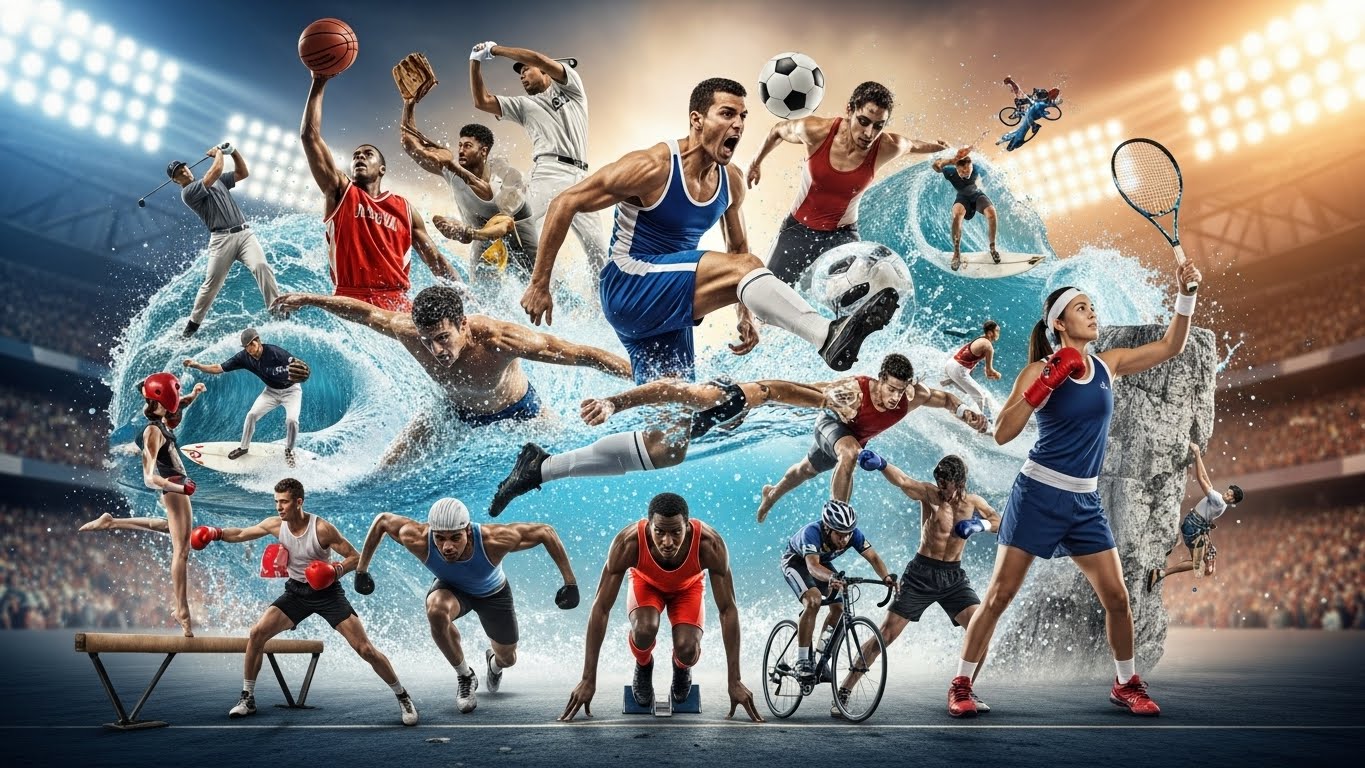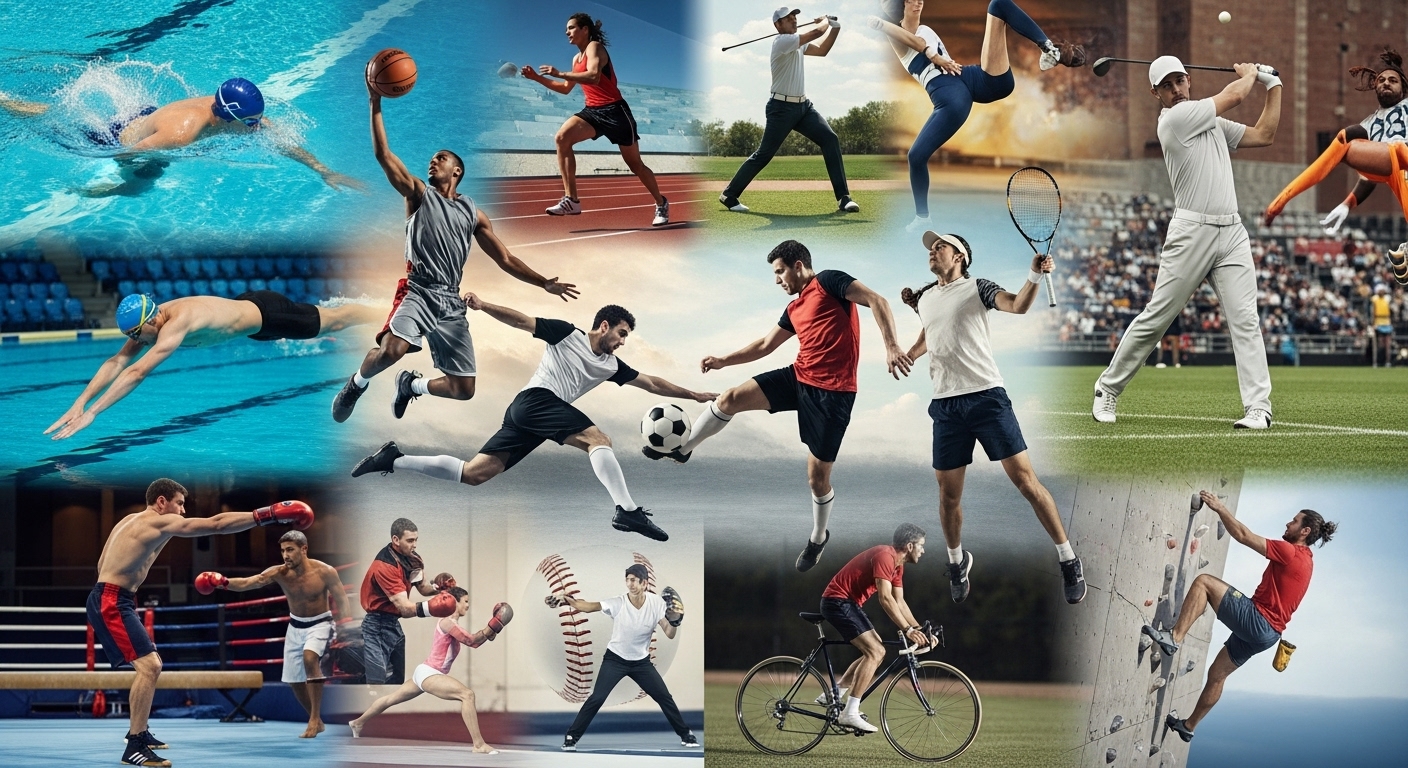





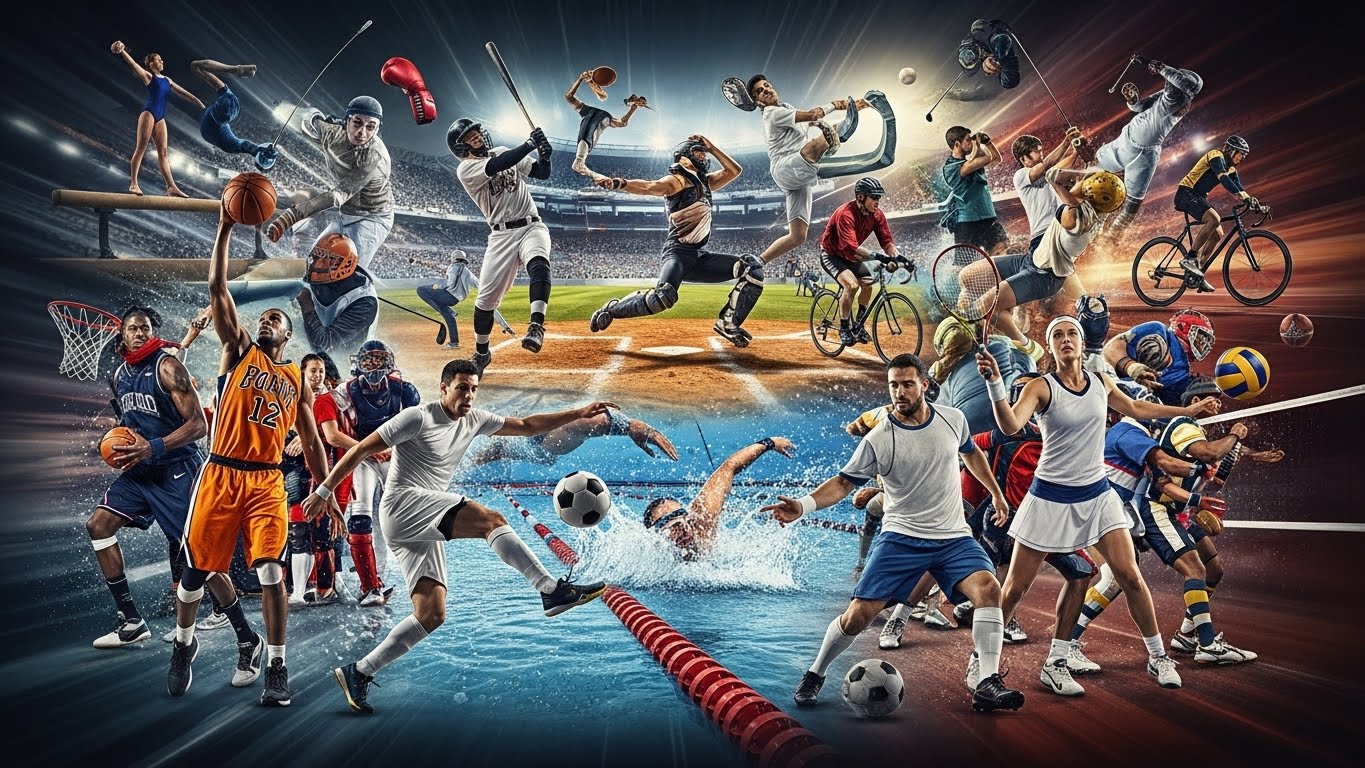
Sports have always been a cornerstone of human culture, serving as both a source of entertainment and a means of bringing people together. From the ancient Olympic Games to modern-day professional leagues, sports have evolved and become an integral part of society. Whether it’s the exhilarating rush of a football match, the strategic brilliance of chess, or the agility of a gymnast, sports captivate the hearts and minds of millions worldwide. In this blog post, we explore the fascinating world of sports, examining their origins, evolution, cultural significance, and the factors that continue to drive their global popularity.
The Origins of Sports: A Glimpse into History
The history of sports can be traced back to the earliest civilizations, where athletic competitions were often tied to religious rituals, social events, and military training. The ancient Greeks are credited with founding the first organized sporting event—the Olympic Games—which began in 776 BC. These games, held in honor of the Greek god Zeus, included events like running, wrestling, and chariot racing, and laid the foundation for many of the sports we know today.
Similarly, in ancient China, sports like archery, polo, and martial arts were practiced for both military and recreational purposes. In other parts of the world, indigenous cultures developed their own forms of sports, such as the Mesoamerican ballgame, which involved a rubber ball and a large court, played by ancient civilizations like the Maya and Aztecs.
Over the centuries, sports continued to evolve, and by the 19th century, many of the modern sports we recognize today began to take shape. The codification of rules, the formation of clubs and associations, and the rise of organized competitions turned sports into a structured global phenomenon.
The Evolution of Sports: From Recreation to Profession
While sports began as simple forms of recreation, they have since evolved into organized, professional, and highly competitive events. The industrial revolution played a significant role in the growth of sports, as it allowed people more leisure time, leading to the formation of sports clubs and leagues. These clubs began organizing competitive events, which eventually transformed into the massive professional sports leagues we know today.
The Rise of Modern Team Sports
In the late 19th and early 20th centuries, several team sports gained popularity across the globe. Football (soccer), which had roots in ancient civilizations, became more organized in England, where the Football Association (FA) was founded in 1863. This led to the establishment of professional leagues, such as the English Premier League (EPL), which now commands a global fanbase. Today, football is arguably the world’s most popular sport, with billions of fans and players across every continent.
Other team sports, like basketball, baseball, and rugby, also became widely popular during this time. Basketball, invented in 1891 by Dr. James Naismith, quickly spread across the United States and the world, while baseball grew in prominence in North America and Japan. Rugby, originating from England in the early 19th century, evolved into various forms, including American football and Australian rules football.
The Growth of Individual Sports
While team sports continue to dominate the global sports landscape, individual sports have carved out their own space in the world of competition. Tennis, athletics, golf, boxing, and motorsports have long been popular, with legendary athletes becoming household names and icons of their respective sports.
Tennis, for instance, gained widespread recognition in the late 19th century, and today, it’s one of the most prestigious individual sports, with Grand Slam tournaments such as Wimbledon, the US Open, and the French Open. Golf, a sport steeped in tradition, has produced stars like Tiger Woods, who transcended the sport and became a global ambassador for it. Similarly, boxing legends like Muhammad Ali and Mike Tyson captivated the world with their fierce rivalry and undeniable skill, turning the sport into a global spectacle.
Motorsports, particularly Formula 1, have become synonymous with speed and innovation, with races like the Monaco Grand Prix drawing millions of spectators each year. Athletes like Ayrton Senna and Lewis Hamilton have turned racing into a sport of strategy, precision, and excitement.
The Global Impact of Sports: Uniting Nations and Communities
One of the most significant aspects of sports is their ability to bring people together. Whether through local matches, international tournaments, or Olympic Games, sports have the power to unite individuals, communities, and entire nations. They transcend cultural, racial, and geographic boundaries, creating a common ground where people can come together to share in the excitement of competition.
International Competitions: The Olympics and World Cups
Few events are as universally anticipated as the Olympic Games and the FIFA World Cup. The Olympics, held every four years, feature athletes from nearly every country in the world, competing in a variety of disciplines. The event represents the pinnacle of athletic achievement and national pride, with athletes often becoming national heroes for their performances. The Summer and Winter Olympics are not just competitions; they are celebrations of human potential, dedication, and perseverance.
The FIFA World Cup, held every four years, is another event that captivates the globe. Football (soccer) is a universal language, and the World Cup brings countries from every continent together for a month-long competition that ends with one nation being crowned the best in the world. The event is watched by billions of people, and the excitement it generates is unmatched in the world of sports.
In addition to these global events, regional competitions like the UEFA Champions League in football and the Copa América in South American football play a significant role in bringing nations together through sport. These competitions not only showcase elite athletes but also foster a sense of unity and shared identity among fans.
Sports as a Social Catalyst
Sports also play a key role in local communities. From youth leagues to amateur competitions, sports provide opportunities for individuals to connect, develop new skills, and engage in positive social interactions. Local teams and school sports help young athletes develop discipline, teamwork, and a sense of achievement, all while fostering friendships and camaraderie.
Sports also serve as a platform for social change. Throughout history, athletes have used their fame and platforms to speak out on important social issues. The 1968 Olympics, where Tommie Smith and John Carlos raised their fists in protest against racial inequality, is just one example of how sports have intersected with political and social movements. Today, athletes continue to advocate for change, using their influence to address issues like racial injustice, gender equality, and environmental sustainability.
The Economics of Sports: A Multi-Billion Dollar Industry
Sports have evolved into a massive industry that generates billions of dollars annually. From ticket sales and merchandise to television rights and sponsorships, professional sports leagues are major economic engines. The National Football League (NFL) in the United States, the English Premier League (EPL) in football, and the National Basketball Association (NBA) in basketball are just a few examples of leagues that generate significant revenue through broadcasting deals, sponsorships, and global merchandise sales.
Sponsorships and Endorsements
One of the most lucrative aspects of professional sports is sponsorship and endorsement deals. Athletes and teams are often sponsored by major brands, and these partnerships can be worth millions of dollars. Iconic athletes like Cristiano Ronaldo, LeBron James, and Serena Williams have endorsement deals with global brands, turning their personal brands into valuable assets. These sponsorships not only benefit the athletes but also the companies, who gain exposure to millions of fans around the world.
The Role of Media and Broadcasting
Television and digital media have played a pivotal role in the commercialization of sports. Major sporting events are broadcast globally, with networks paying huge sums for the rights to air these events. In recent years, streaming platforms have also entered the sports broadcasting arena, offering fans access to games and tournaments via digital platforms.
Sports media has become an essential part of the entertainment industry. Networks like ESPN, Sky Sports, and NBC Sports have built entire business models around sports broadcasting, offering not just live coverage but also analysis, interviews, and documentaries that delve deeper into the stories of athletes and teams.
The Future of Sports: Trends and Innovations
As technology continues to advance, the world of sports is set to evolve even further. From virtual reality (VR) and augmented reality (AR) to wearable technology and data analytics, the sports industry is embracing innovation in ways that were once unimaginable.
Virtual Reality and Augmented Reality
Virtual and augmented reality have the potential to transform how fans experience sports. VR could allow fans to watch live events from the comfort of their homes but feel as though they are right in the middle of the action, while AR could enhance live events with interactive elements that bring fans closer to the experience.
Data and Analytics
Data analytics are already revolutionizing how teams and athletes approach training, strategy, and performance. With advanced statistics, coaches can analyze player performance in real-time, making more informed decisions during games. Wearable technology, like fitness trackers and smart apparel, also provides athletes with valuable insights into their physical condition, helping them optimize their training and reduce the risk of injury.
Conclusion: The Unifying Power of Sports
Sports have transcended their humble beginnings to become a global phenomenon that unites people across cultures, languages, and countries. Whether it’s the thrill of competition, the camaraderie of team play, or the personal growth that comes from training and perseverance, sports continue to captivate millions around the world. They are more than just games; they are platforms for expression, sources of pride, and reflections of human potential. As the world of sports continues to evolve, one thing remains certain: the passion and excitement they bring will never fade.