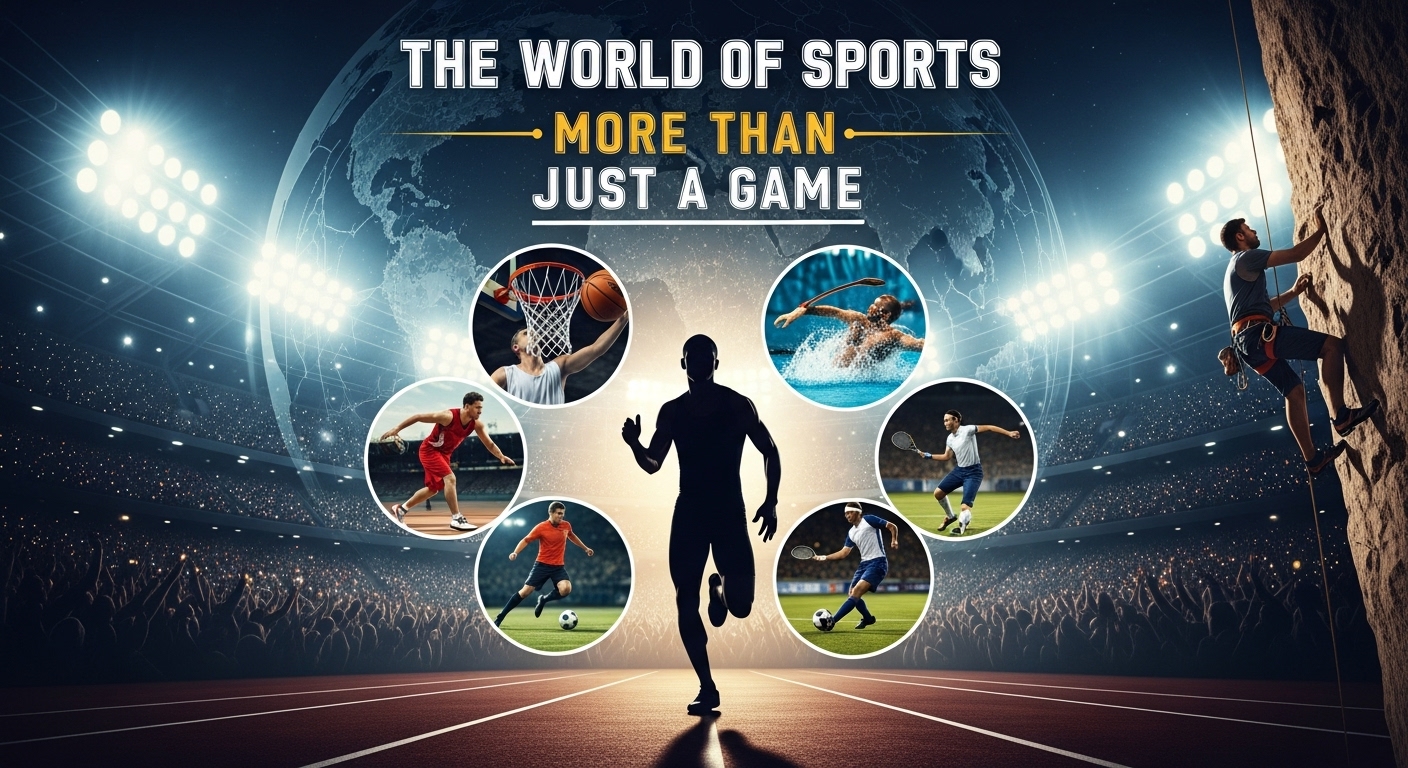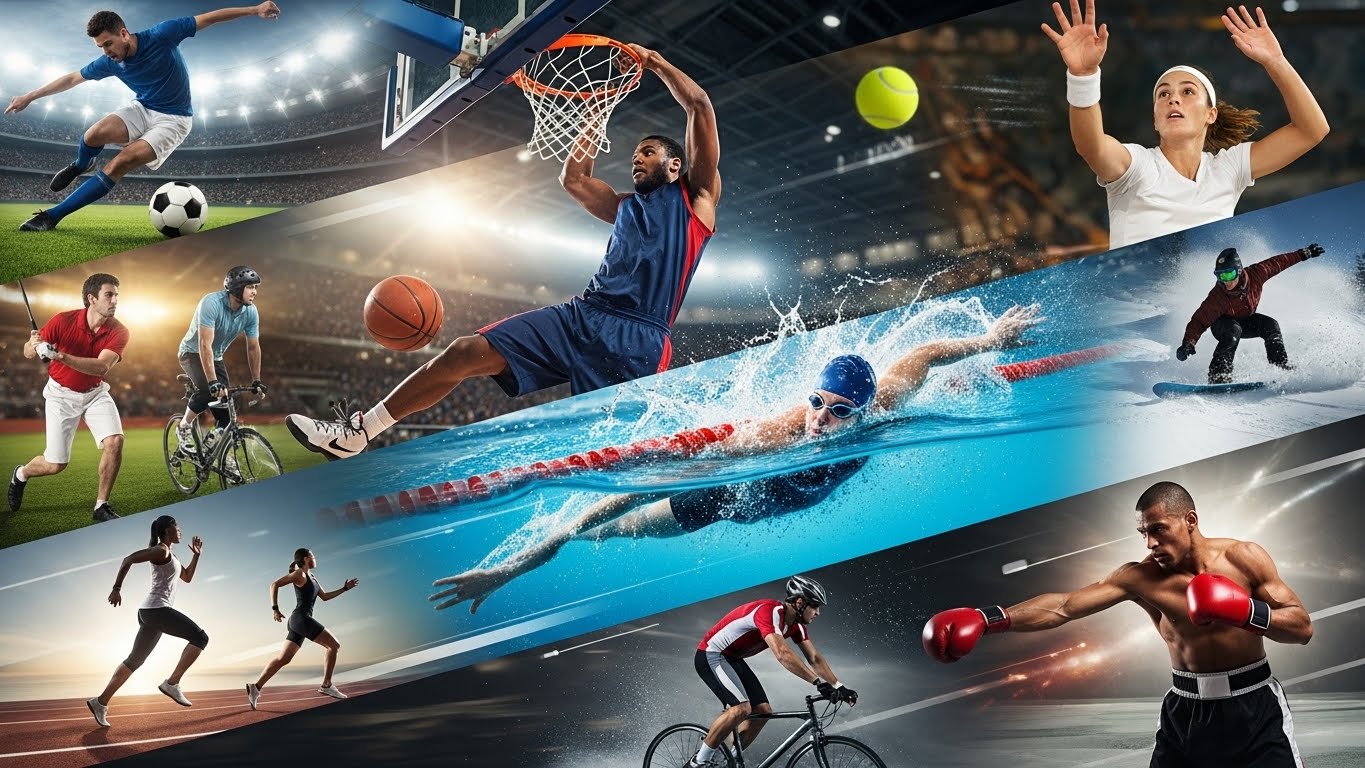





Sports are often seen as an avenue for physical exertion, competition, and entertainment. But beyond the surface, they carry deeper meanings that resonate across cultures and generations. They shape who we are, how we grow, and how we interact with the world around us. From teaching resilience to fostering communities, sports have a unique ability to touch every corner of our lives. In this post, we explore the unspoken magic of sports, how they impact our minds, bodies, and societies, and why they will always hold a special place in human history.
The Heartbeat of Physical Wellness
When we think of sports, physical fitness is the first thing that comes to mind. Engaging in any sport offers a holistic approach to physical well-being. From improving cardiovascular health to enhancing flexibility, strength, and endurance, sports encourage the body to work at its optimum potential. Whether you’re sprinting down a track, swimming laps, or playing a game of tennis, your body learns to adapt, grow stronger, and become more resilient over time.
Regular physical activity, especially in the form of sports, is also linked to a reduced risk of many chronic illnesses, such as heart disease, diabetes, and obesity. It’s an essential tool in maintaining a healthy lifestyle that goes beyond just looking fit—it ensures your body functions effectively, both now and in the long term.
Mental Clarity Through Play
While physical benefits are evident, the mental advantages of sports are often underestimated. Sports offer more than just a workout for the body—they provide a workout for the mind. The focus and concentration required in any sporting activity can help clear mental fog, alleviate stress, and boost overall mental clarity.
Physical exercise, particularly in a structured sporting environment, releases endorphins—chemicals in the brain that enhance mood and reduce feelings of anxiety and depression. Athletes often report feelings of euphoria, a state of “flow,” when they are deeply immersed in their sport. Whether it’s the rhythm of cycling, the strategy of chess, or the intensity of football, sports engage the brain in a way that reduces negative emotions and fosters a sense of mental well-being.
Lifelong Lessons: Building Discipline and Resilience
One of the core elements of sports is learning discipline. Whether it’s waking up early to train, sticking to a rigorous practice schedule, or working through difficult periods of failure, sports teach us that success doesn’t happen overnight. The process requires persistence, consistency, and a clear focus on long-term goals.
Furthermore, sports instill resilience. Every athlete, regardless of their skill level, faces setbacks. Injuries, losses, and disappointments are inevitable. But what sports teach is that failure is not an end, but rather a stepping stone toward growth. Resilience is not just about bouncing back—it’s about learning from every experience, embracing challenges, and constantly striving for improvement.
The Power of Teamwork and Social Connection
One of the most profound aspects of sports is the opportunity to work together as part of a team. In team sports, every player has a specific role, and success depends on the collective effort of all members. This cultivates a sense of camaraderie and teaches the importance of cooperation and communication.
The friendships forged on sports fields often last a lifetime. Whether you’re playing soccer, basketball, or volleyball, sports create opportunities for individuals to connect with others from different walks of life. They serve as a powerful equalizer—where personal backgrounds, languages, and social statuses become secondary to the common goal of achieving success together.
Sports also offer a sense of community, not just among teammates, but among fans and spectators. The joy of celebrating a team’s victory or the sorrow of a loss binds people in ways that other shared experiences can’t. Fans often become a part of the team’s journey, feeling a deep sense of ownership and pride over their success.
Creating Role Models: Athletes as Symbols of Inspiration
Sports have a remarkable ability to create role models who inspire millions. Athletes who rise to fame often become symbols of dedication, strength, and perseverance. Figures like Muhammad Ali, Michael Jordan, and Simone Biles are not just celebrated for their athletic prowess—they are revered for their ability to overcome adversity and break barriers in their respective fields.
For children and young adults, these athletes serve as sources of motivation. They show that with enough hard work, determination, and belief in oneself, anything is possible. Athletes often go beyond the game, becoming ambassadors for important causes, advocating for social change, or contributing to charitable work that has a lasting impact on society.
A Global Language of Unity
Sports transcend borders. No matter where in the world you are, the passion for sports is universal. Whether it’s the Olympics, the FIFA World Cup, or the NBA Finals, sports events unite millions of people, offering a shared experience that crosses geographic and cultural lines.
Even the most intense rivalries, such as those seen in international football (soccer) competitions, can foster a spirit of mutual respect. At the end of the day, sports are a celebration of human achievement, and every fan, regardless of nationality, shares in the collective joy or heartbreak of the outcome.
Through sports, people from all walks of life have the chance to connect, share, and learn from each other. The global appeal of sports plays a critical role in building bridges between cultures, promoting peace, and fostering understanding in a world that can often feel divided.
The Legacy of Sports: A Timeless Influence
The impact of sports is not just fleeting—it leaves a lasting legacy. The lessons learned on the playing field—about perseverance, teamwork, and discipline—stay with individuals long after they hang up their cleats or put down their racket. The influence of sports stretches into every aspect of life, shaping how we approach challenges, pursue goals, and interact with others.
Moreover, sports have the power to change entire societies. They can inspire social movements, unite disparate communities, and challenge long-standing norms. The fight for equality in sports, as seen with Title IX in the U.S. or the rise of women’s sports globally, continues to break down barriers and push for inclusivity in arenas that once were closed off.
Conclusion: Beyond the Game
Sports are more than just games—they are a vital part of our shared human experience. They shape our minds, bodies, and spirits, teaching us valuable lessons that extend far beyond the field, court, or track. Whether you are an athlete, a coach, or a spectator, the influence of sports can be seen in every aspect of our lives—from the lessons of perseverance to the bonds of friendship and community they create.
In the end, sports embody the spirit of humanity: the drive to push boundaries, work together, and create something greater than ourselves. And perhaps that is why, no matter how much time passes, sports will always remain at the heart of who we are.