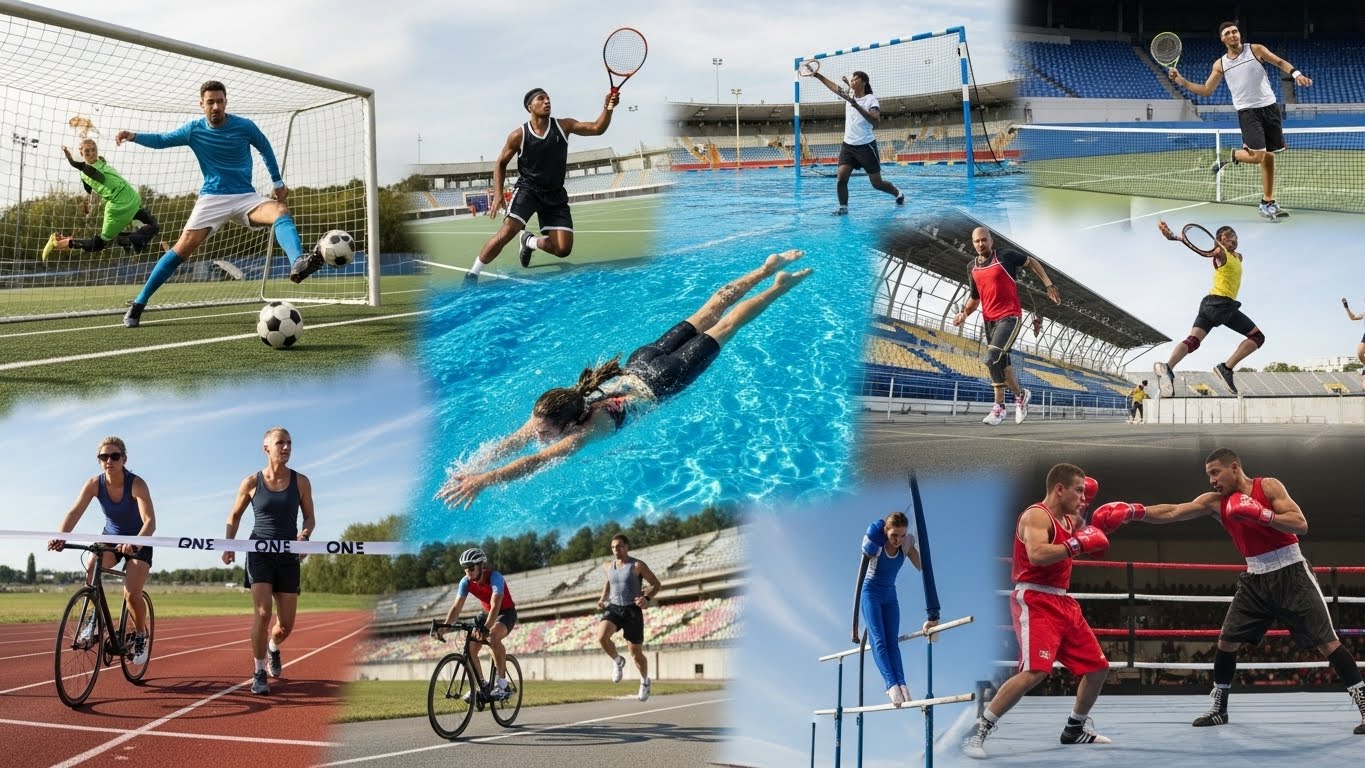






Sports have always been more than just games. They are a reflection of human ambition, perseverance, teamwork, and the desire to push limits. Across every continent, culture, and community, sports play a crucial role in shaping societies, inspiring individuals, and connecting people in ways that transcend language, nationality, or background. From local playgrounds to global arenas, sports embody the spirit of humanity striving for excellence.
The Evolution of Sports
The history of sports dates back thousands of years. Ancient civilizations, including the Greeks, Romans, Egyptians, and Chinese, engaged in various physical activities that were precursors to modern sports. The Olympic Games in ancient Greece were among the earliest organized sporting events, emphasizing not just physical skill but also discipline, honor, and excellence. Over the centuries, sports evolved alongside human societies, with new games, rules, and competitions emerging.
The industrial revolution played a significant role in shaping modern sports. Urbanization and technological advancements allowed people to organize, watch, and participate in sports more systematically. Football, cricket, baseball, and track events became widely popular, laying the foundation for organized leagues, tournaments, and international competitions.
The Role of Sports in Society
Sports serve as a unifying force. They bring communities together, foster national pride, and provide a platform for cultural exchange. Major sporting events, such as the FIFA World Cup, the Olympics, and the Super Bowl, attract global attention and create shared experiences for millions of fans. Beyond entertainment, sports instill values such as discipline, perseverance, and fair play.
Youth participation in sports has profound social benefits. Children learn teamwork, leadership, and communication through organized games. Sports encourage a healthy lifestyle, reducing the risk of obesity, cardiovascular diseases, and mental health issues. Moreover, sports often serve as a platform for addressing social issues, including equality, inclusion, and community development.
Popular Sports Around the World
While there are countless sports played globally, some have achieved exceptional popularity and influence.
Football (Soccer)
Football is arguably the world’s most beloved sport. Played and watched by billions, it combines strategy, endurance, skill, and excitement. Major leagues in Europe, South America, and Asia showcase remarkable talent, while international competitions like the FIFA World Cup unite fans across borders. Football is not just a game; it is a cultural phenomenon, shaping identities and inspiring generations.
Basketball
Basketball, with its fast pace and dynamic gameplay, has captured global attention. Originating in the United States in the late 19th century, it has grown into an international sport with professional leagues across Europe, Asia, and Africa. The NBA remains the pinnacle of basketball excellence, producing legendary athletes who transcend the sport itself. Basketball emphasizes teamwork, agility, and precision, making it appealing to players and fans alike.
Cricket
Cricket is deeply ingrained in countries like India, England, Australia, and Pakistan. With formats ranging from Test matches to Twenty20, it caters to diverse audiences and showcases both strategic depth and explosive athleticism. Cricket matches are events of national pride, often inspiring intense emotions and uniting fans in support of their teams.
Tennis
Tennis is a sport that highlights individual skill, endurance, and mental resilience. Grand Slam tournaments like Wimbledon, the US Open, and the French Open are highly prestigious, showcasing athletes’ ability to perform under pressure. Tennis is admired for its combination of elegance, strategy, and physicality, and has produced iconic players whose legacies transcend generations.
Athletics
Track and field events, collectively known as athletics, represent the purest form of human physical ability. From sprinting and long-distance running to high jump and javelin throw, athletics tests speed, strength, and agility. The Olympics celebrate these talents, honoring the dedication and determination of athletes worldwide.
The Physical and Mental Benefits of Sports
Participation in sports goes beyond the thrill of competition. Physically, it improves cardiovascular health, strengthens muscles, enhances flexibility, and promotes overall fitness. Regular engagement in sports reduces the risk of chronic illnesses and contributes to longevity.
Mentally, sports provide numerous benefits. They reduce stress, improve mood, and boost self-esteem. Athletes develop problem-solving skills, adaptability, and resilience in the face of challenges. Sports also enhance social interactions, as teamwork fosters cooperation, communication, and empathy. The mental toughness required to excel in sports often translates into life skills that prove invaluable beyond the playing field.
Women in Sports: Breaking Barriers
Historically, sports were dominated by men, and women often faced barriers to participation. However, the modern era has witnessed significant progress. Female athletes now compete at the highest levels across virtually all sports, inspiring millions with their talent and determination.
Events like the FIFA Women’s World Cup, the Women’s Tennis Association (WTA) Tour, and the Olympics have elevated women’s sports globally. Representation matters, and seeing women excel in traditionally male-dominated arenas challenges stereotypes and promotes gender equality. Female athletes are role models, demonstrating that dedication, skill, and passion know no gender.
The Business of Sports
Sports are not just about athletes and competitions; they are a massive global industry. Professional leagues, sponsorships, broadcasting rights, merchandise, and endorsements generate billions of dollars annually. Clubs and franchises operate as multi-million-dollar businesses, and star athletes often become global icons with influence beyond their sport.
The commercial aspect of sports has also transformed fan experiences. Modern stadiums, digital streaming, and interactive apps allow fans to engage with their favorite teams and players in unprecedented ways. Social media amplifies athlete voices, enabling direct communication with supporters and fostering a sense of community around sports.
Technological Advancements in Sports
Technology has revolutionized sports in various ways. Equipment and training methods are now more sophisticated, enhancing performance and safety. Video analysis, wearable devices, and artificial intelligence help athletes optimize their skills and monitor fitness levels. Instant replay and goal-line technology ensure fair play, while virtual reality creates immersive experiences for fans and training simulations for athletes.
The rise of eSports demonstrates how technology expands the definition of sports. Competitive gaming attracts millions of players and viewers, offering new opportunities for athletes, fans, and businesses alike. While traditional physical sports remain vital, digital competition has carved a unique niche in the sports ecosystem.
Sportsmanship and Ethics
While winning is celebrated, the true essence of sports lies in sportsmanship. Fair play, respect for opponents, and ethical behavior define the character of athletes and teams. Cheating, doping, and unsportsmanlike conduct undermine the spirit of competition and can tarnish legacies.
Organizations worldwide, including anti-doping agencies and sports governing bodies, strive to maintain integrity in sports. Education and awareness programs emphasize ethical behavior, promoting respect, humility, and accountability. Sports teach that character often matters as much as victory.
Legendary Athletes Who Changed the Game
Sports history is filled with extraordinary individuals who have left an indelible mark. From Pelé and Diego Maradona in football to Michael Jordan in basketball, Sachin Tendulkar in cricket, Serena Williams in tennis, and Usain Bolt in athletics, these athletes have transcended their disciplines. Their achievements inspire countless fans and athletes, reminding the world of what dedication, talent, and perseverance can accomplish.
These legends often become symbols of hope and determination. Their stories teach valuable life lessons: overcoming adversity, embracing challenges, and striving for greatness despite obstacles. Sports, through such figures, inspire dreams and foster belief in human potential.
The Future of Sports
The future of sports promises exciting developments. Sustainability, inclusivity, and innovation will shape the next generation of athletes and fans. Climate-conscious stadiums, eco-friendly sporting events, and digital engagement will redefine how sports are played and experienced.
Emerging sports, adaptive sports for differently-abled athletes, and increased global connectivity will ensure that sports remain a dynamic and inclusive part of society. Technology will continue to enhance training, safety, and fan engagement, making sports more accessible and enjoyable worldwide.
Conclusion
Sports are much more than a pastime; they are a vital part of human civilization. They reflect our aspirations, challenge our limits, and unite us across boundaries. From local fields to global stadiums, sports create stories of triumph, resilience, and inspiration.
Whether as a participant or a spectator, engaging with sports offers physical, mental, and social benefits. It teaches valuable life lessons, celebrates diversity, and provides a platform for personal and collective growth. The spirit of sports—fair, fierce, and unifying—will continue to inspire generations, making it one of humanity’s most cherished endeavors.
In the end, sports remind us that no matter our differences, we all share a love for the game, a respect for effort, and a desire to witness greatness. It is a universal language that transcends borders, cultures, and time itself.