




Introduction: More Than Just a Game
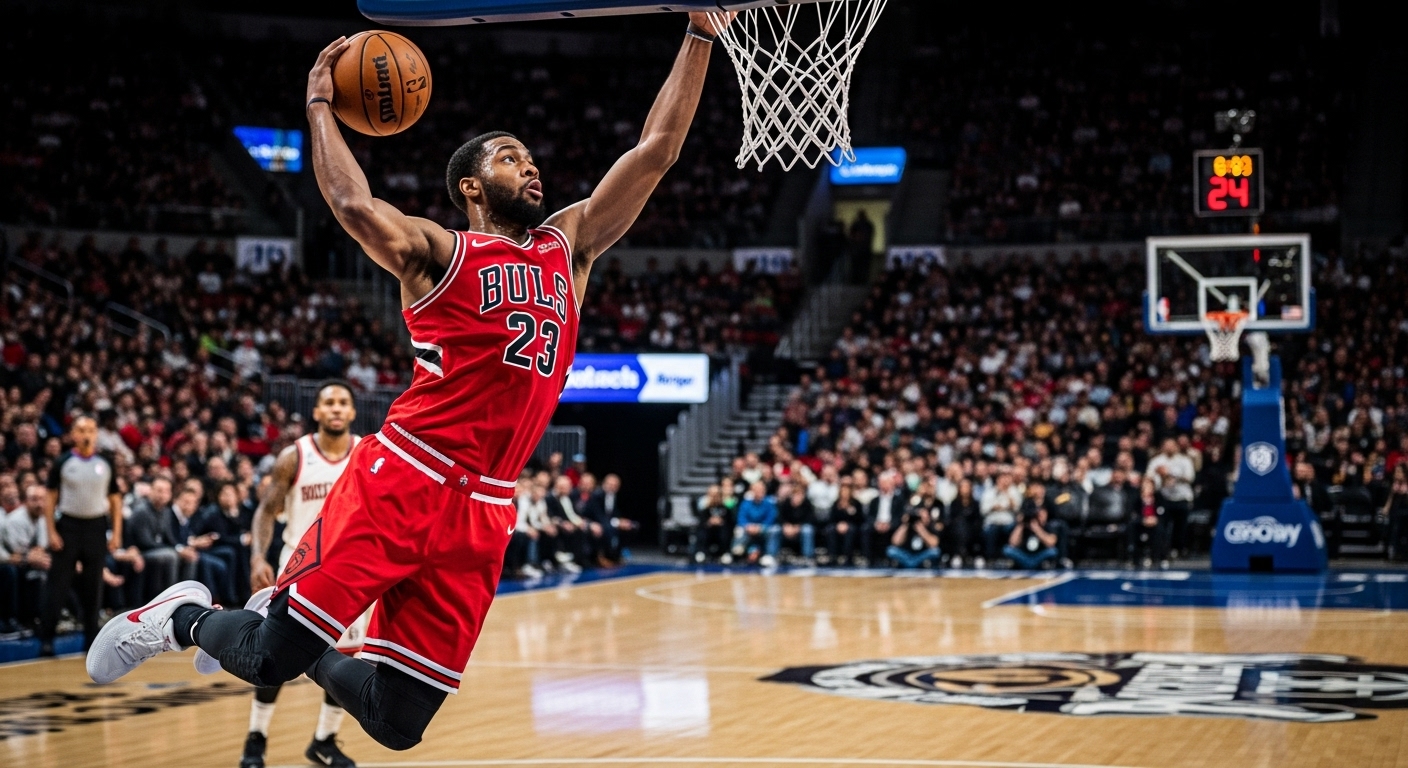
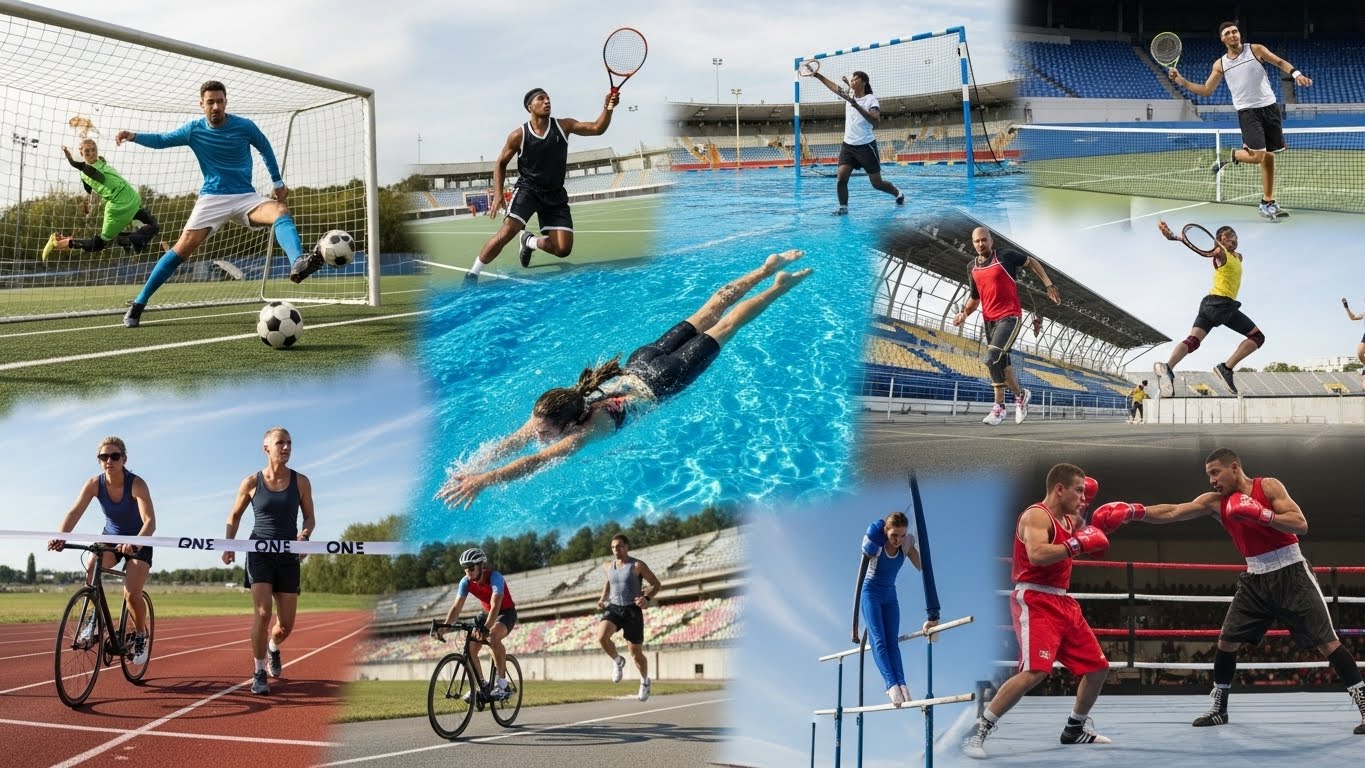
Sports have always held a special place in human society. From ancient civilizations gathering around competitive events to modern stadiums filled with roaring fans, sports are far more than physical activities. They are stories of struggle and success, moments of heartbreak and triumph, and reflections of who we are as individuals and communities. While many people see sports simply as entertainment, their deeper value lies in the lessons they teach, the discipline they demand, and the unity they inspire. Sports shape character, influence culture, and quietly prepare people for the challenges of life beyond the field.
The Roots of Discipline and Hard Work
One of the most powerful lessons sports teach is discipline. No athlete reaches excellence by chance. Early mornings, exhausting training sessions, repeated failures, and constant self-correction are part of the journey. This discipline builds a strong work ethic that often carries into other areas of life. Students who play sports tend to understand the value of time management, while professionals with a sports background often show resilience in demanding careers. The habit of showing up, even when motivation is low, becomes a life skill that sports quietly instill.
Learning to Win Without Pride and Lose Without Defeat
Victory in sports is celebrated, but it is never guaranteed. Every win brings joy, confidence, and a sense of achievement, yet sports also teach humility. A true athlete learns that winning is temporary and must be respected, not abused. On the other hand, losing teaches acceptance and growth. Defeat forces players to analyze mistakes, improve weaknesses, and return stronger. These experiences prepare individuals for real life, where success and failure often arrive without warning. Sports teach that failure is not the opposite of success but a step toward it.
Teamwork and the Power of Collective Effort
Even individual sports rely on teamwork behind the scenes. Coaches, trainers, teammates, and supporters all play vital roles. Team sports, in particular, highlight the importance of cooperation and trust. A single talented player cannot win alone without coordination and shared purpose. Sports teach people to listen, adapt, and sometimes sacrifice personal glory for the benefit of the group. These lessons are invaluable in workplaces, families, and communities, where collaboration often determines success more than individual brilliance.
Mental Strength and Emotional Control
Physical ability alone is not enough to succeed in sports. Mental strength plays an equally important role. Athletes learn to perform under pressure, stay focused amid distractions, and control emotions in intense situations. A missed shot, a bad call, or a hostile crowd can test patience and composure. Sports train the mind to remain calm and confident despite challenges. This emotional control becomes essential in daily life, helping individuals handle stress, criticism, and unexpected obstacles with maturity.
Sports as a Mirror of Society
Sports often reflect the values, struggles, and hopes of society. Issues such as equality, fair play, and perseverance are frequently highlighted through sports narratives. Athletes become role models, inspiring millions through their actions both on and off the field. Sporting events bring together people from different backgrounds, cultures, and beliefs, united by a shared passion. In a world often divided by differences, sports offer moments of unity where national, social, and economic boundaries briefly fade.
The Role of Sports in Youth Development
For young people, sports can be life-changing. Participation in sports promotes physical health, but its impact goes far beyond fitness. Young athletes learn responsibility by committing to practice schedules and respecting rules. They develop confidence by mastering skills and facing competition. Sports also provide a safe space for young people to channel energy, build friendships, and learn leadership. Many life lessons that are difficult to teach in classrooms are naturally absorbed on the playing field.
Health, Wellness, and Lifelong Habits
In an age of increasing screen time and sedentary lifestyles, sports encourage movement and healthy habits. Regular physical activity improves cardiovascular health, strengthens muscles, and enhances mental well-being. People who engage in sports are more likely to maintain active lifestyles later in life. Beyond physical benefits, sports reduce stress, improve mood, and promote better sleep. These advantages contribute to a balanced life, proving that sports are not just about competition but about long-term wellness.
The Emotional Bond Between Fans and Games
Sports are not limited to those who play; fans play an essential role as well. Supporting a team creates a sense of belonging and identity. Fans celebrate victories together and share the pain of losses, forming emotional connections with people they may never meet. These shared experiences strengthen social bonds and create lasting memories. For many, sports offer comfort, excitement, and a sense of continuity during uncertain times.
Sportsmanship and Ethical Values
True sportsmanship is about respect, honesty, and fairness. Athletes learn to respect opponents, officials, and the rules of the game. These ethical values extend beyond sports, influencing behavior in everyday life. Playing fair, accepting responsibility, and treating others with dignity are principles that shape strong character. When athletes demonstrate integrity, they inspire others to act with honor in their own lives.
The Journey Matters More Than the Outcome
While trophies and medals are symbols of success, the real value of sports lies in the journey. The friendships formed, the lessons learned, and the personal growth achieved often matter more than the final score. Sports teach that effort, consistency, and passion are worthy goals in themselves. This mindset encourages people to enjoy the process of growth rather than focusing solely on results.
Conclusion: Sports as a Lifelong Teacher
Sports occupy a unique space in human life, blending physical effort with emotional depth and social meaning. They teach discipline, resilience, teamwork, and humility in ways few other activities can. Whether played professionally, casually, or followed passionately, sports leave a lasting impact on those who engage with them. They prepare individuals not just to compete, but to live with purpose, strength, and respect. In this way, sports are not just games played on fields or courts; they are powerful teachers shaping character, culture, and the rhythm of life itself.